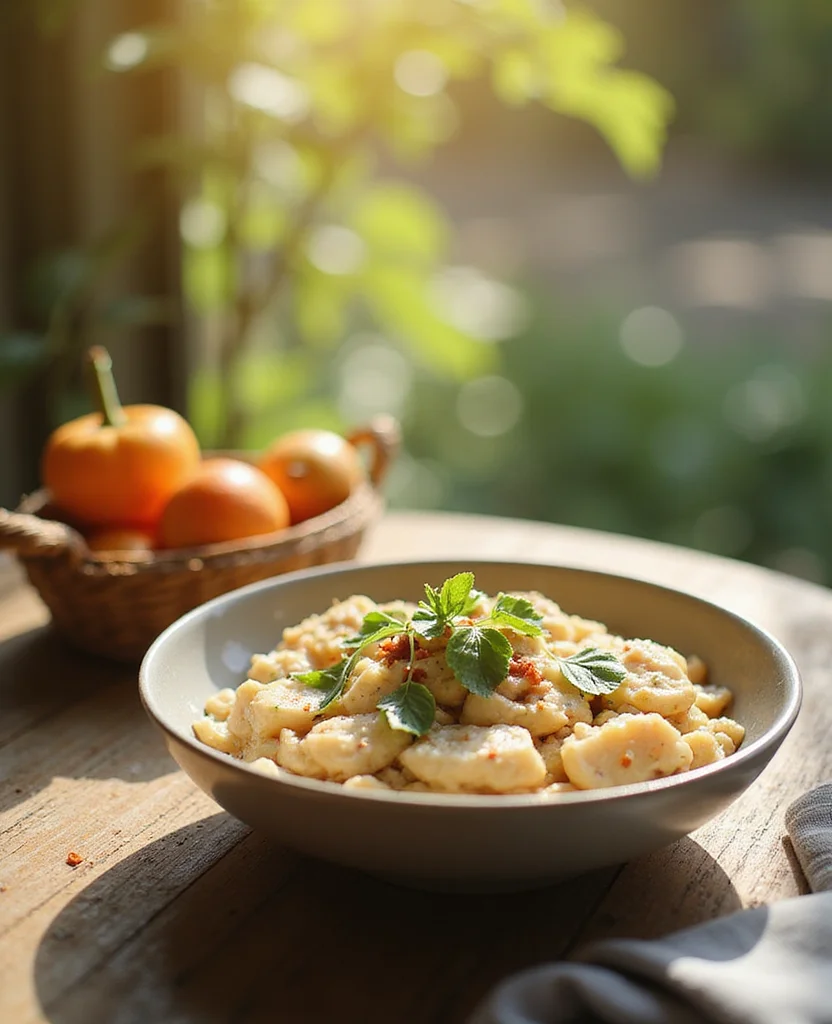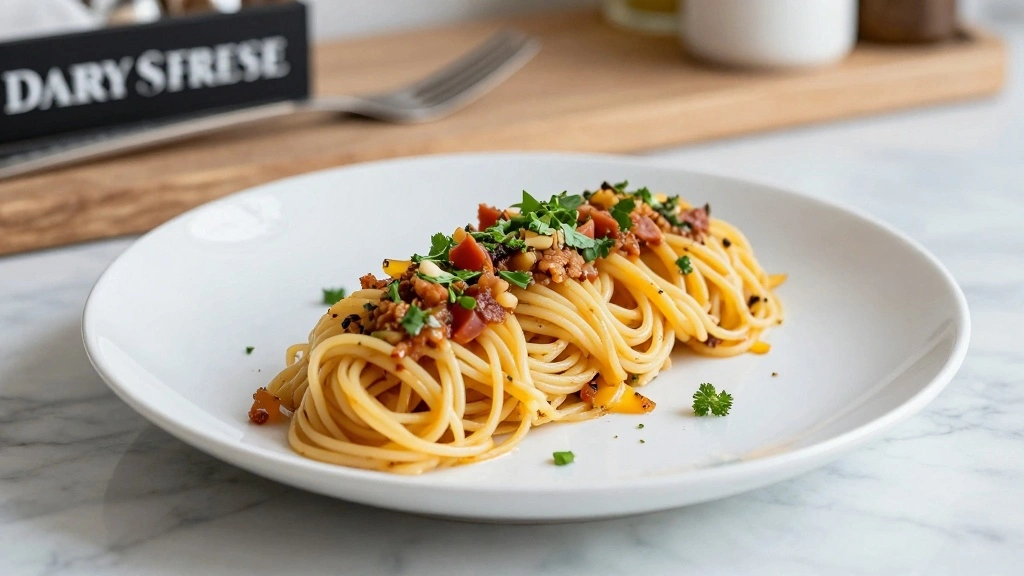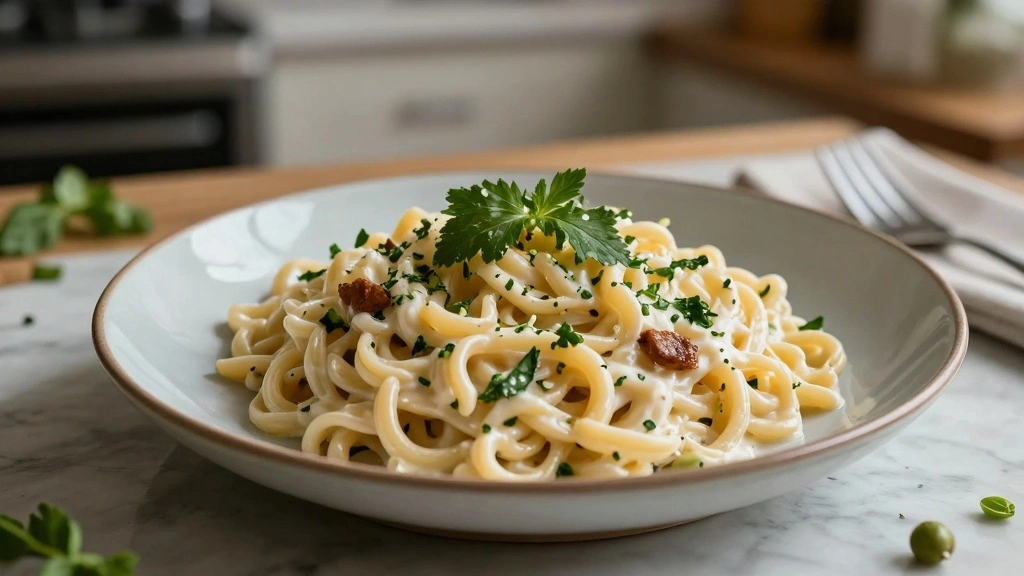

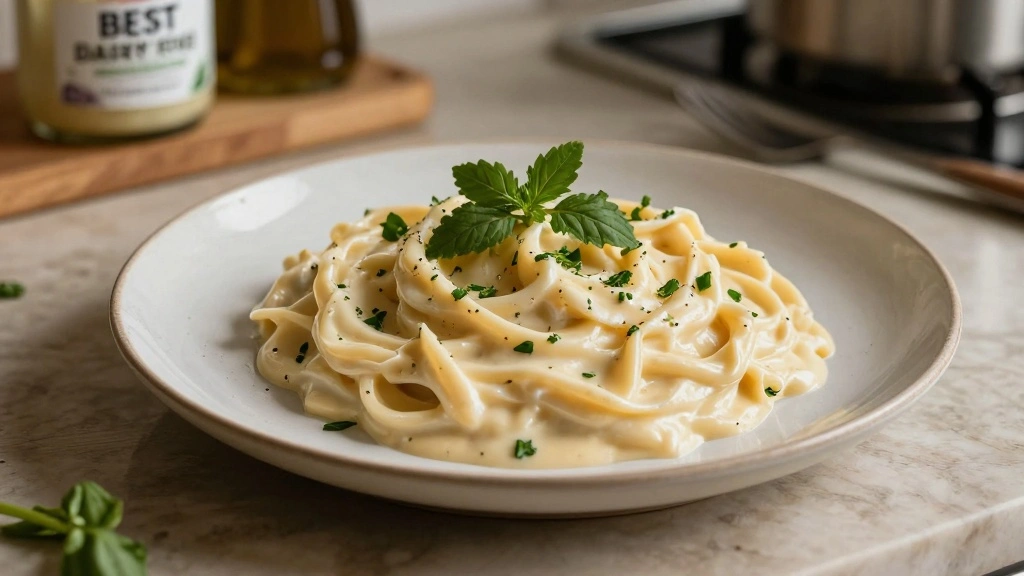
This creamy Dairy Free Alfredo Sauce was born out of my love for rich, comforting pasta dishes that don’t compromise on flavor.
The silky smooth texture and savory garlic notes make it a standout, even for those who typically enjoy traditional dairy-based Alfredo.
I first encountered a dairy-free version while visiting Italy, where innovative chefs were catering to dietary needs without losing authenticity.
Perfect for any season, this sauce brings warmth and satisfaction to family dinners or festive gatherings alike.
Contents
- The History and Cultural Significance
- Recipe Overview
- Nutritional Information (per serving)
- Essential Equipment Guide
- Ingredients
- Preparation Methods
- Step 1: Prepare Ingredients
- Step 2: Blend Base Ingredients
- Step 3: Add Oil and Lemon Juice
- Step 4: Transfer Sauce to Saucepan
- Step 5: Season and Simmer
- Step 6: Adjust Consistency
- Step 7: Final Taste Test
- Step 8: Serve and Enjoy
- Critical Timing and Temperature Guide
- Pro Tips for Dairy Free Alfredo
- Troubleshooting Common Issues
- Variations and Regional Differences
- Food Science Behind the Recipe
- Frequently Asked Questions
- Serving and Presentation Guide
Recommended Products

Our creamy alfredo sauces let you enjoy classic Italian recipes without dairy ingredients.

VELVETY SMOOTH DAIRY FREE CHEESE SAUCE - No powdery mac and cheese mix here. The convenient squeeze pouch lets you easily dish out the thick and creamy sauce. Just heat and eat!
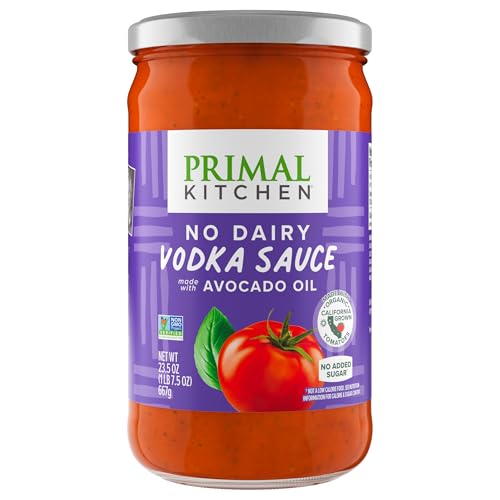
VEGAN: Our No-Dairy Vodka pasta sauce is plant-based and suitable for vegans.
The History and Cultural Significance
• Dairy Free Alfredo traces its origins to Italy, where it was originally created by chefs looking to adapt classic dishes to modern dietary preferences.
• The dish evolved over decades as plant-based ingredients became more accessible, eventually becoming the beloved version we know today.
• In Italian-American culture, this dish traditionally appears at family gatherings, symbolizing inclusivity and adaptation.
• While many variations exist across different regions, the authentic version maintains its creamy consistency and rich flavor that sets it apart from imitations.
Recommended Products

One 16 OZ jar of Ragu Roasted Garlic Alfredo Sauce, Made with Real Cheese

Knorr Alfredo Sauce Mix has a velvety blend of cheeses that complements pasta, chicken, fish, and veal dishes perfectly

One 15 oz jar of Classico Roasted Garlic Alfredo Pasta Sauce
Recipe Overview
Recommended Products

Rao’s Homemade Four Cheese Alfredo Sauce combines Parmesan, Romano, Asiago, and Fontina cheeses to create a decadent, premium sauce
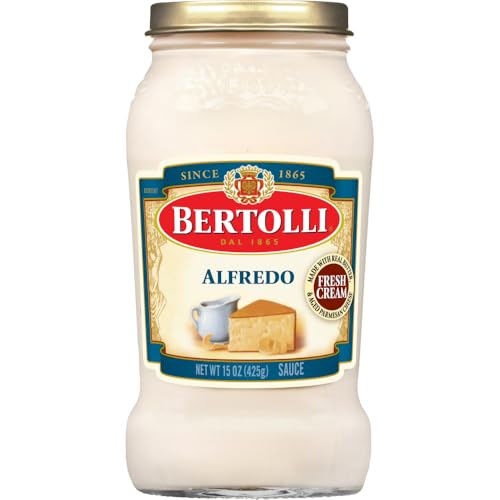
One 15 OZ jar of Bertolli Alfredo with Aged Parmesan Cheese Pasta Sauce

One 16 OZ jar of Ragu Classic Alfredo Sauce, Made with Real Cheese
Nutritional Information (per serving)
Recommended Products

25 oz organic creamy vodka pasta sauce
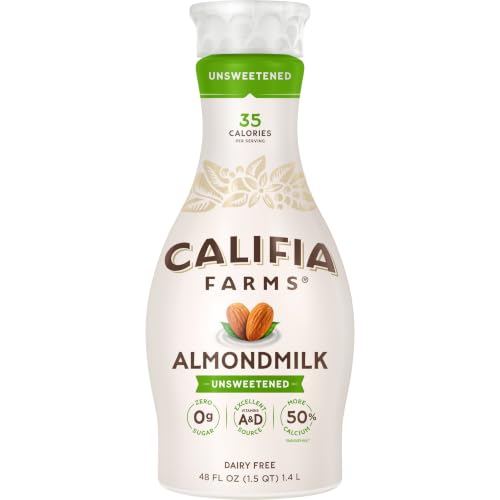
Unsweetened pure almond milk

Rao’s Homemade Creamy Marinara with Mascarpone Sauce is made with whole‑peeled Italian tomatoes, rich mascarpone cheese and cream
Essential Equipment Guide
Blender: A high-speed blender is crucial for achieving the smooth, creamy texture of the sauce. While a standard blender can work, it may require more time to reach the desired consistency. Look for models with a strong motor and variable speed settings to ensure the best results.
Saucepan: Using a heavy-bottomed saucepan helps to evenly distribute heat and prevent scorching. Non-stick options are also beneficial for easy stirring and cleaning. Ensure the pan is large enough to accommodate all ingredients comfortably.
Whisk: A whisk is essential for incorporating ingredients smoothly and avoiding lumps. A balloon whisk works well here, but any whisk that fits comfortably in your saucepan can be used. Consider a silicone-coated whisk for non-stick surfaces to prevent scratching.
Recommended Products

Brought to you by Whole Foods Market. When it comes to innovative flavors and products sourced from artisans and producers around the world, the Whole Foods Market brand has you covered. Amazing products, exceptional ingredients, no compromises.

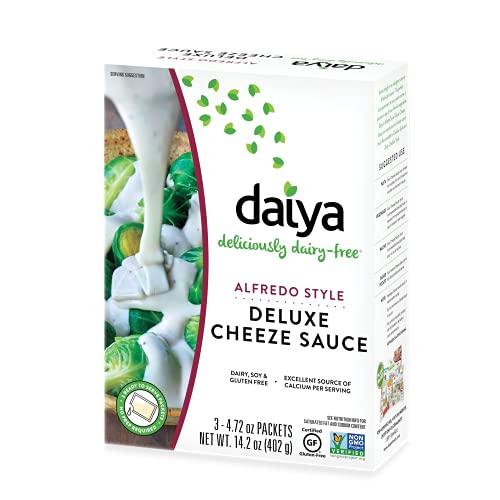
DELICIOUS NON-DAIRY ALFREDO SAUCE: Dairy-free shouldn't mean flavor-free. This creamy Daiya Alfredo Style Sauce is loaded with savory seasonings & lusciously cheesy flavor
Ingredients
Recommended Products

Made with Real Ingredients: Our zesty Avocado Lime dipping sauce is crafted with premium, high-quality ingredients you can trust, like avocado oil and organic apple cider vinegar. No dairy, soy, grains, or nonsense.
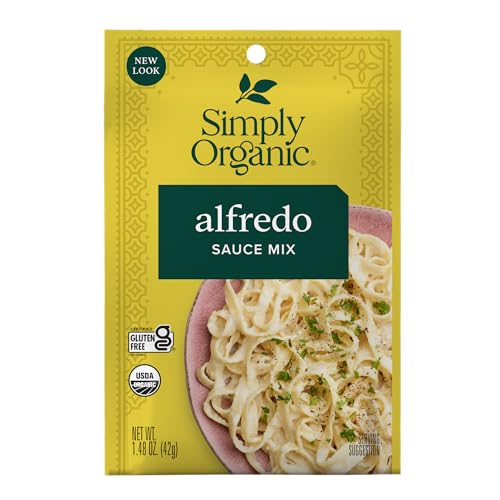
Simply Organic Alfredo Sauce Mix, Certified Organic, Kosher, Mixes Italian

CASHEW BUTTER MASALA - Our plant-based Butter Chicken sauce is made with cashew butter and luscious coconut cream with slow-cooked tomatoes, garlic, ginger and sweet paprika to create a lighter, vegan version of the famous North Indian recipe that is just as satisfying as the original.
For the Sauce
|
| Amount | Ingredient | Notes |
|---|---|---|
| 1 1/2 cups | unsweetened almond milk | adds creaminess without dairy |
| 1/2 cup | raw cashews | soaked, for smooth texture |
| 2 tablespoons | nutritional yeast | imparts cheesy flavor |
| 2 cloves | garlic | minced, for depth of flavor |
| 2 tablespoons | olive oil | richness and mouthfeel |
| 1 tablespoon | lemon juice | adds brightness |
Seasonings
| Amount | Ingredient | Notes |
|---|---|---|
| 1 teaspoon | salt | enhances overall taste |
| 1/2 teaspoon | black pepper | a touch of heat |
| 1/4 teaspoon | nutmeg | for subtle warmth |
Preparation Methods
Soaking Cashews: Soaking the cashews softens them, making them easier to blend into a smooth sauce. This step is crucial for a creamy texture without gritty bits. Soak overnight or for at least 4 hours in water, then drain and rinse before blending.
Emulsifying: Emulsifying involves combining the oil with other liquids to create a stable mixture. This technique ensures the sauce does not separate and maintains its silky finish. Start blending at a low speed, then gradually increase to fully incorporate the oil.
Simmering: Simmering the blended sauce allows flavors to meld and the sauce to thicken. Keep the heat low to avoid burning and stir frequently to prevent sticking. This step is key for achieving the perfect consistency and depth of flavor.
Recommended Products

GARLIC ALFREDO SAUCE: 15 oz jar of Bertolli Garlic Alfredo Pasta Sauce with parmesan, cream, butter, and savory garlic

Creamy, garlicky Alfredo sauce made easy

14.5-ounce roasted garlic Alfredo sauce
Step 1: Prepare Ingredients
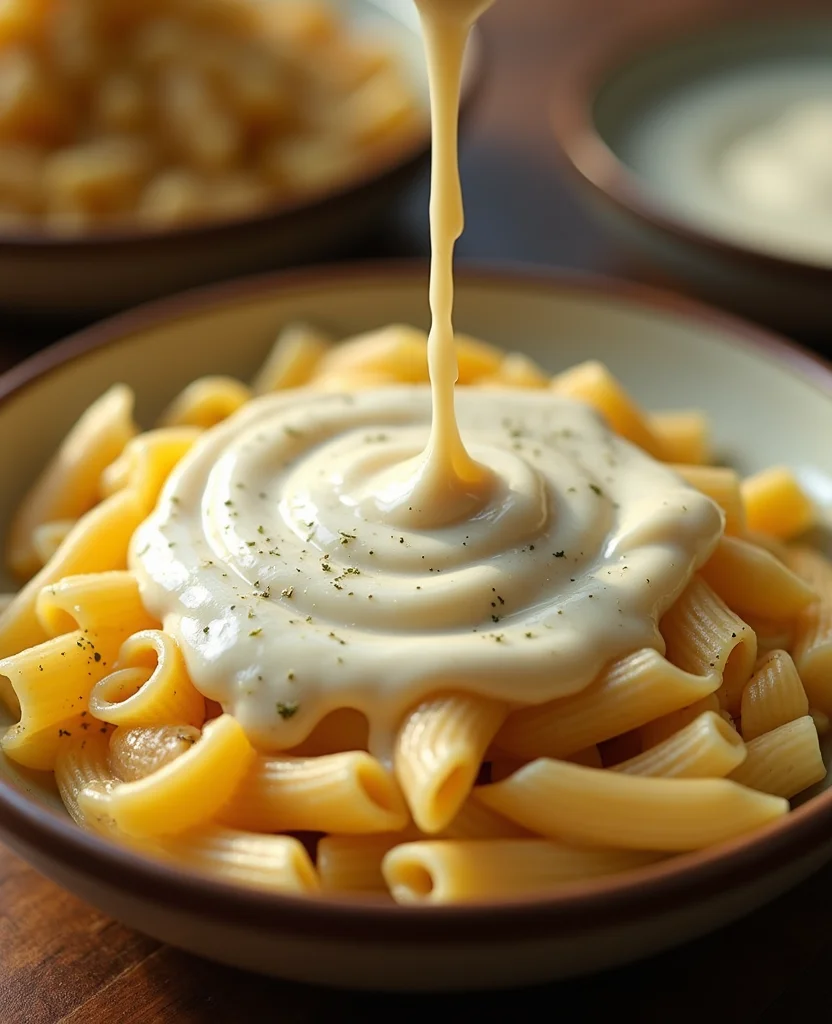
Gather all ingredients and equipment needed for the recipe.
Measure out each ingredient according to the specified amounts.
Ensure cashews have been soaked and drained properly.
Organize ingredients by category for ease of access during cooking.
Recommended Products

CLASSICO ALFREDO SAUCE: One 15 oz jar of Classico Creamy Alfredo Pasta Sauce

Twelve (12) 14.5 oz jars of Prego Homestyle Alfredo Sauce
Step 2: Blend Base Ingredients
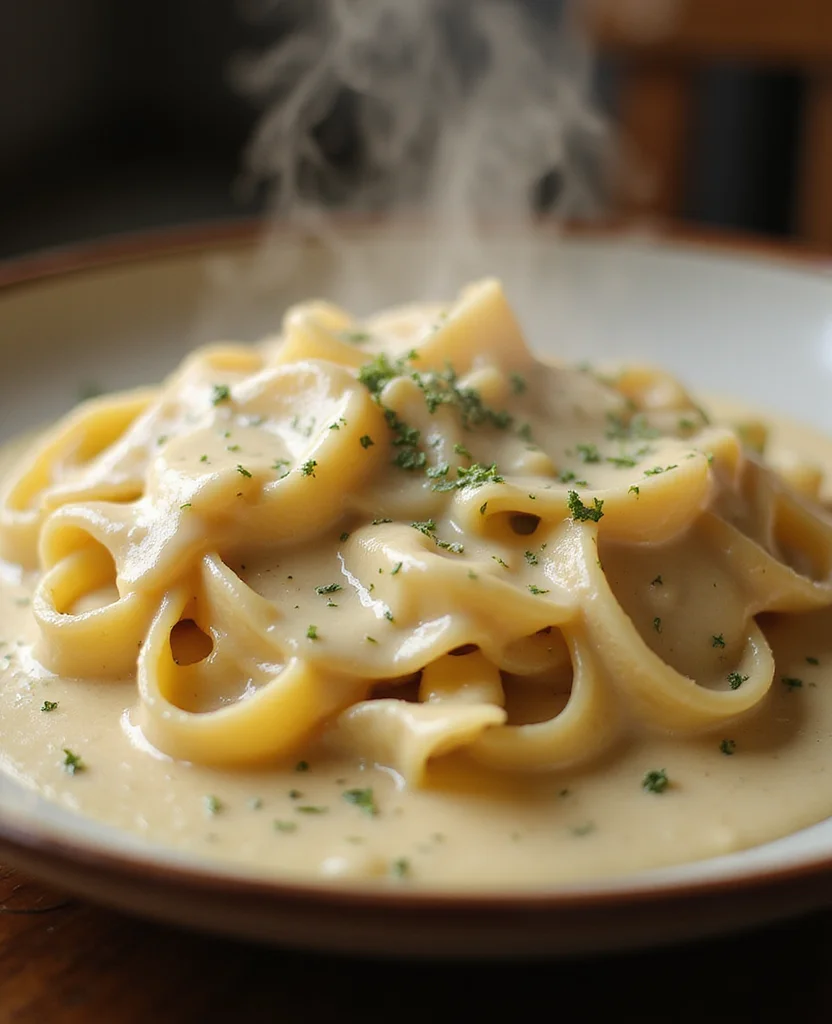
Add almond milk, soaked cashews, nutritional yeast, and garlic to a blender.
Secure the lid and start blending on low speed to combine.
Gradually increase speed to high and blend until smooth and creamy.
Stop blender and scrape down sides if needed to ensure all ingredients are fully incorporated.
Recommended Products

Knorr Sauce Mix Creamy Pesto is a velvety sauce that's perfect for pasta, meats and fish.

One (1) 14.5 oz jar of Prego Creamy Basil Pesto Pasta Sauce
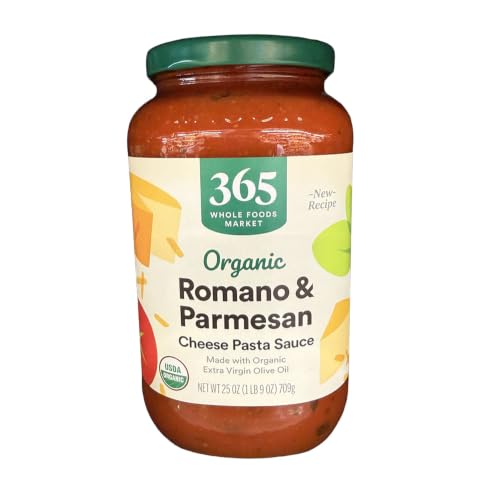
25 oz organic four cheese pasta sauce
Step 3: Add Oil and Lemon Juice
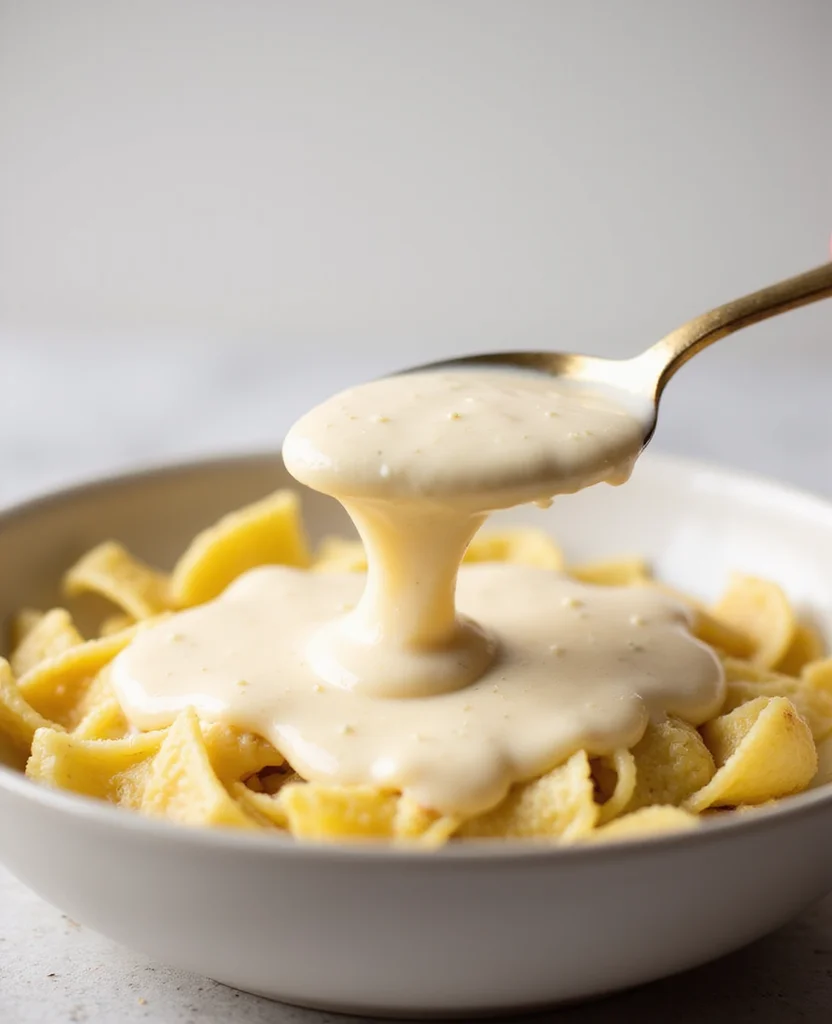
While blender is running on low, slowly drizzle in olive oil.
Continue blending until oil is fully emulsified into the sauce.
Add lemon juice and blend briefly to incorporate.
Check for smoothness and adjust seasoning if necessary.
Recommended Products

POWDERED ALFREDO SAUCE MIX: Whisk ⅓ cup into 1 cup hot water for rich, creamy fettuccine alfredo in about 3 minutes. No cream to buy, no jar to finish, no refrigeration.

Made from 100% real food ingredients and free from the top 9 allergens (including soy and gluten) as well as natural/artificial flavors, methylcellulose, and seed oils
Step 4: Transfer Sauce to Saucepan
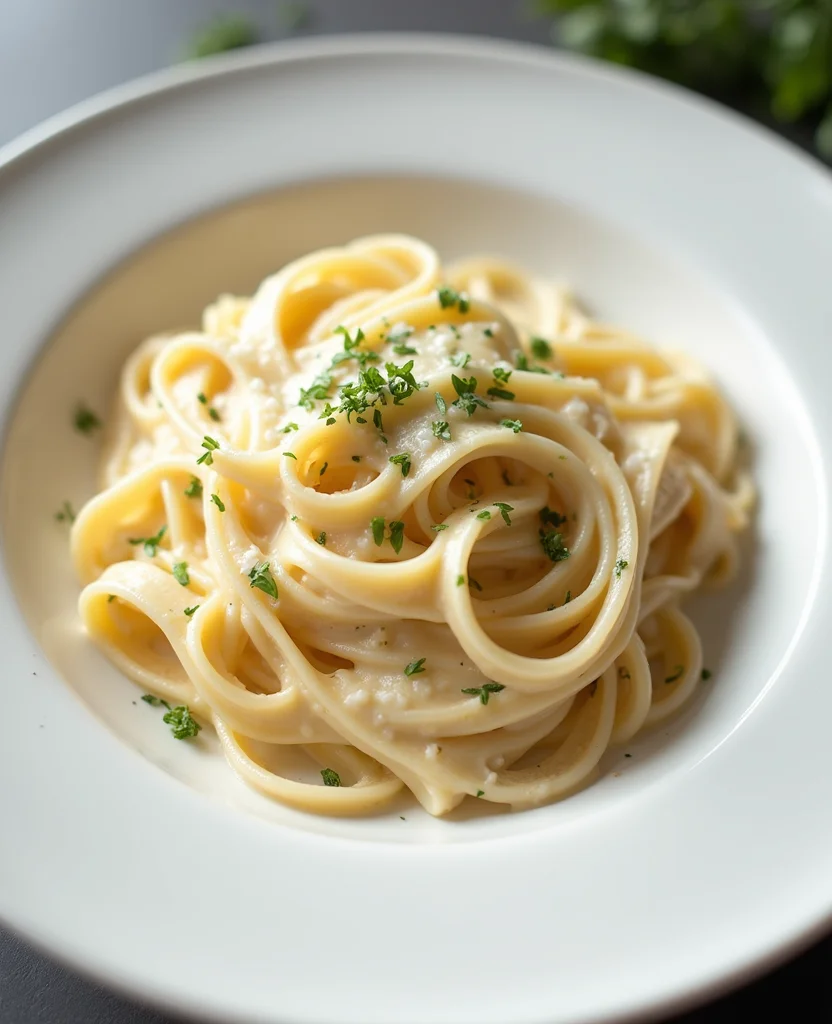
Pour the blended sauce into a heavy-bottomed saucepan on the stove.
Use a spatula to scrape out every last bit from the blender.
Place saucepan over medium-low heat to begin warming.
Stir gently to prevent sticking.
Step 5: Season and Simmer
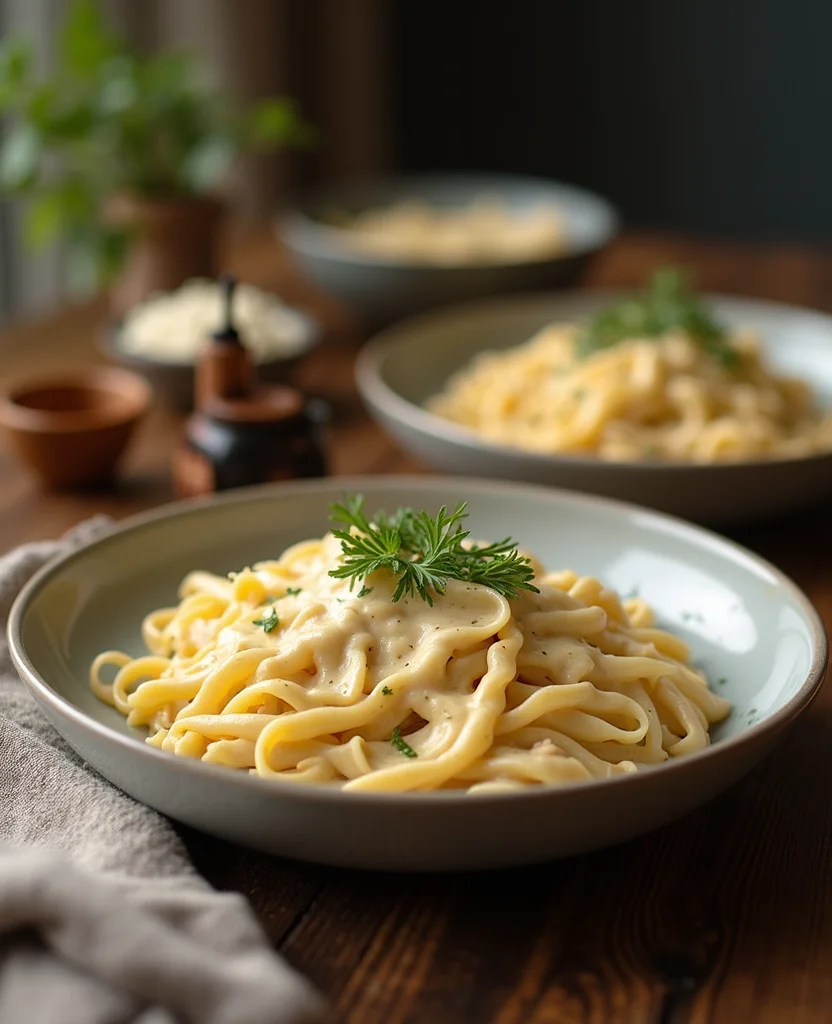
Add salt, pepper, and nutmeg to the saucepan.
Stir well to distribute seasonings evenly throughout the sauce.
Bring sauce to a gentle simmer, stirring frequently.
Simmer for 5-7 minutes until sauce thickens slightly.
Step 6: Adjust Consistency
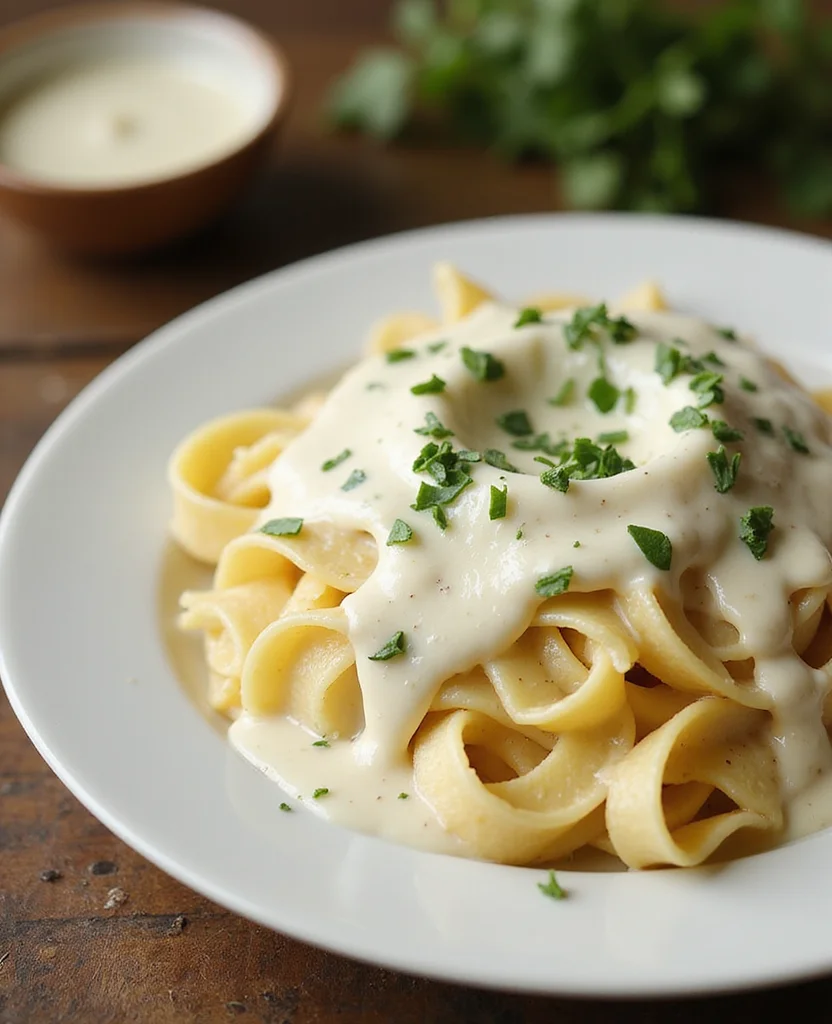
Check the sauce's consistency by coating the back of a spoon.
If too thick, add a splash of almond milk to thin.
If too thin, continue simmering until desired thickness is achieved.
Taste and adjust seasoning if necessary.
Step 7: Final Taste Test
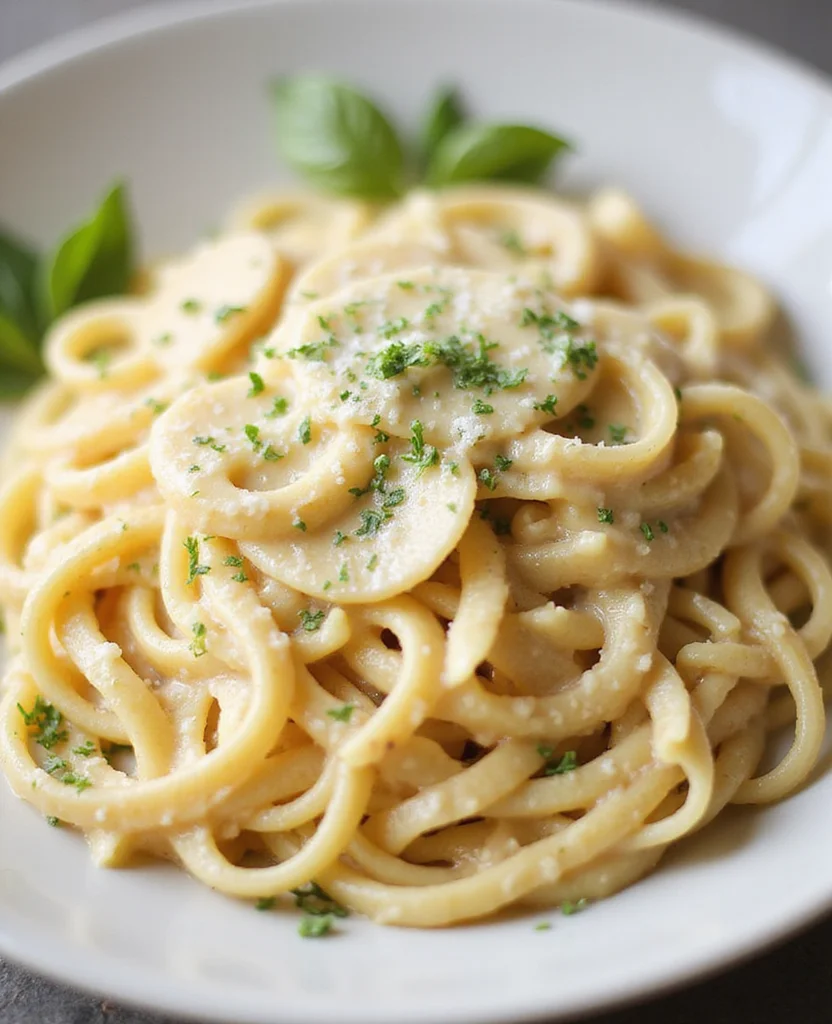
Taste the sauce to ensure balance of flavors.
Adjust salt, pepper, or lemon juice to personal preference.
Consider adding more nutritional yeast for extra cheesy flavor.
Stir thoroughly after each adjustment.
Step 8: Serve and Enjoy
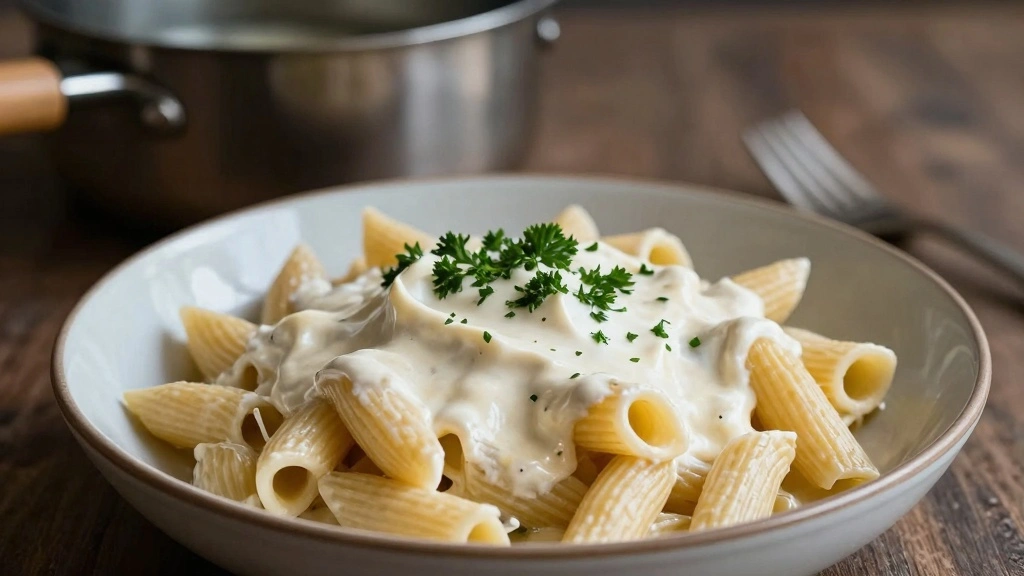
Remove the saucepan from heat once the sauce reaches desired consistency.
Pour sauce over cooked pasta or preferred dish immediately.
Garnish with fresh herbs or additional seasoning if desired.
Serve hot and enjoy the creamy, dairy-free goodness.
Critical Timing and Temperature Guide
Blending: Blend for 2-3 minutes on high speed until completely smooth; avoid overheating the blender.
Simmering: Simmer at low heat for 5-7 minutes; watch for gentle bubbling and avoid boiling.
Serving: Serve immediately after removing from heat to enjoy optimal texture and flavor; reheating can alter consistency.
Pro Tips for Dairy Free Alfredo
• Ingredient Selection: Choose high-quality, unsweetened almond milk for the best flavor and texture. Fresh, raw cashews provide a smoother result than roasted or salted ones.
• Preparation Secret: Soak cashews overnight for the creamiest texture; even a quick 10-minute soak in boiling water can work in a pinch.
• Temperature Management: Use medium-low heat when simmering to prevent burning and maintain a silky sauce consistency.
• Texture Enhancement: Blend at high speed to fully pulverize cashews, ensuring no gritty texture remains.
• Flavor Layering: Adding garlic early in the process allows its flavor to develop fully, enhancing the overall taste profile.
• Make-Ahead Strategies: Prepare sauce in advance and store in the refrigerator for up to three days; reheat gently on the stove.
• Restaurant-Quality Finishing Touches: Garnish with freshly chopped parsley or a sprinkle of vegan Parmesan for added visual appeal and taste.
• Equipment Optimization: Ensure blender blades are sharp for effective blending; dull blades can result in a gritty sauce.
Troubleshooting Common Issues
• Sauce Too Thick: Caused by excessive simmering or not enough liquid. Add more almond milk gradually while stirring until desired consistency is reached.
• Sauce Too Thin: Often due to insufficient blending of cashews. Simmer longer to reduce excess liquid and thicken the sauce.
• Flavor Too Bland: Underseasoning can be resolved by adding more salt, pepper, or nutritional yeast to enhance flavor.
• Sauce Separating: Usually occurs if oil is added too quickly or sauce is overheated. Re-emulsify by blending again or whisking vigorously with a splash of almond milk.
• Gritty Texture: Results from under-soaked or improperly blended cashews. Ensure cashews are fully soaked and blend longer until smooth.
Variations and Regional Differences
• Italian Variation: Uses fresh herbs like basil and oregano for a Mediterranean twist, often served with whole wheat pasta.
• Asian Fusion: Incorporates coconut milk and a touch of soy sauce for a savory, umami-rich version, paired with rice noodles.
• American-Style: Adds roasted red peppers for a sweet, smoky flavor and vibrant color, commonly served with grilled chicken.
• Gluten-Free Version: Utilizes gluten-free pasta and ensures all ingredients are certified gluten-free for those with dietary restrictions.
Food Science Behind the Recipe
• Emulsification: Understanding emulsification helps achieve a stable, creamy sauce where oil and liquid components blend seamlessly.
• Protein Structure: Soaking cashews alters their protein structure, making them easier to blend into a creamy consistency.
• Flavor Compounds: Nutritional yeast contributes umami flavor through glutamate compounds, simulating the savory taste of cheese.
Frequently Asked Questions
What's the most common mistake people make when preparing Dairy Free Alfredo Sauce? The most common mistake is not blending the cashews enough, leading to a gritty texture. Ensure a high-speed blender is used and blend until completely smooth.
Can I use a different milk alternative? Yes, oat milk or soy milk can be used as substitutes, but they may alter the flavor slightly. Ensure they are unsweetened for best results.
How do I store leftovers? Store in an airtight container in the refrigerator for up to three days. Reheat gently on the stove, adding a splash of almond milk if needed.
Is it possible to freeze the sauce? Freezing can change the texture, but it is possible. Thaw in the refrigerator and blend again if separation occurs.
Can I add vegetables to the sauce? Yes, blending in cooked cauliflower or carrots can add nutrients and flavor, but may also change the sauce's color.
Why is my sauce separating? Separation often occurs from rapid temperature changes or improper emulsification. Re-emulsify by blending again or whisking with a bit of liquid.
What's the best pasta to pair with this sauce? Fettuccine is traditional, but penne or rotini also work well as they hold the sauce beautifully.
Serving and Presentation Guide
• Traditional Presentation: Serve over fettuccine pasta with a sprinkle of fresh parsley and a twist of black pepper.
• Rustic Style: Pair with whole grain pasta or zucchini noodles for a health-conscious presentation.
• Elegant Plating: Arrange pasta in a neat coil on a large white plate, drizzling sauce artistically around, and garnish with microgreens.
• Family Style: Serve in a large serving bowl with a ladle, allowing guests to help themselves at the table.
Conclusion
Creating a delicious Dairy Free Alfredo Sauce is easier than you might think, and it offers a fantastic alternative for those avoiding dairy.
By following this recipe, you'll enjoy a creamy, flavorful sauce that rivals its traditional counterpart.
So why not give it a try and surprise your family or guests with a dish that combines health and indulgence seamlessly?