
There’s something magical about starting your day with a creamy, satisfying breakfast that also happens to be dairy-free.
This recipe combines rich flavors and smooth textures to create an egg dish that’s both comforting and indulgent.
It’s perfect for those who are lactose intolerant or simply looking to try something new.
The combination of silky eggs and flavorful ingredients will make your mornings feel special without the need for dairy products.
Whether it’s a cozy weekend brunch or a quick weekday meal, this dish sets a delightful tone for the day.
Contents
- The History and Cultural Significance
- Recipe Overview
- Nutritional Information (per serving)
- Essential Equipment Guide
- Ingredients
- Preparation Methods
- Step 1: Prepare Ingredients
- Step 2: Whisk Eggs and Milk
- Step 3: Sauté the Onions
- Step 4: Combine Eggs and Onions
- Step 5: Add Spinach and Seasonings
- Step 6: Cook Gently
- Step 7: Final Stir and Serve
- Step 8: Clean Up
- Critical Timing and Temperature Guide
- Pro Tips for Creamy Dairy Free
- Troubleshooting Common Issues
- Variations and Regional Differences
- Food Science Behind the Recipe
- Frequently Asked Questions
- Serving and Presentation Guide
Recommended Products

BREAKFAST READY WITHIN MINUTES: Love to have scrambled eggs but do not have time? Well, we have the perfect solution for you with Eggylicious Scramble Egg Mix. It has the perfect balance of whole egg powder and condiments for fluffiest and delicious breakfast scramble eggs every time. Just mix and pour with a little oil and your perfect breakfast is ready.

Contains one 8-ounce bag of Violife Just Like Cheddar shredded dairy free and vegan cheese

PRECISION-FERMENTED INNOVATION – Made using cutting-edge precision fermentation by The EVERY Company, this powder is REAL egg white proteins made without animals. The result is a high-quality, consistent, and sustainable protein source.
The History and Cultural Significance
• Creamy Dairy Free traces its origins to the Mediterranean region, where it was originally created by chefs adapting traditional recipes for lactose-intolerant diners.
• The dish evolved over decades as plant-based alternatives became more popular, eventually becoming the beloved version we know today.
• In many cultures, this dish traditionally appears at brunch gatherings, symbolizing hospitality and inclusivity.
• While many variations exist across different regions, the authentic version maintains a rich, smooth consistency that sets it apart from imitations.
Recommended Products

Made with the goodness of real Blue Diamond almonds

One 64-fluid-ounce carton of Original Unsweetened Almond Milk

NO OILS, NO GUMS: Califia Organic Almondmilk is made with just three simple ingredients without the need for oils or gums. Just shake it up and enjoy!
Recipe Overview
Recommended Products

【Healthy Cooking –Food-grade 18/10 stainless steel】Made from premium tri ply stainless steel with an aluminum core for even heat distribution. This 8-inch 3 ply frying pan contains no PFOA, PTFE, PFAS, lead, cadmium, or toxic metals. A truly non-toxic pan that keeps your cooking healthy and safe

Eco-friendly Classic Granite: Non-stick Granite Material, PFOS,PFOA free, our cookware ensures your daily cooking is always safer and healthier.

Eco-friendly Classic Granite – Non-stick Granite Material, PFOS,PFOA free, our cookware ensures your daily cooking is always safer and healthier.
Nutritional Information (per serving)
Recommended Products
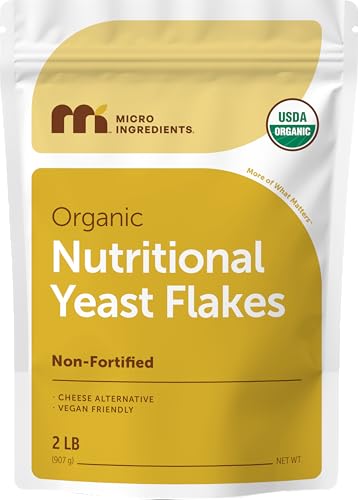
Micro Ingredients USDA organic certified nutritional yeast flakes. Non-fortified yeast that creates a cheesy flavored dairy free cheese replacement. Naturally contains complete plant based protein and is friendly with most diets.

Serving Size - 2 tablespoon

PACKED WITH B VITAMINS – A source of essential nutrients, including B vitamins. Enjoy a healthy boost in your daily dishes while keeping your diet vegan without compromising on flavor.
Essential Equipment Guide
Non-Stick Skillet: A non-stick skillet is crucial for cooking eggs evenly and preventing them from sticking, which ensures a smooth texture. Alternatives like well-seasoned cast iron may work, but non-stick is preferred for ease.
Whisk: A good whisk helps in achieving a uniform mixture without clumps. Look for one with a comfortable handle and flexible wires. A fork can be used in a pinch, but a whisk is ideal for consistency.
Silicone Spatula: This tool helps in gently folding the eggs without breaking them. Choose one that’s heat-resistant and flexible. A wooden spoon could work as an alternative, though it might be less gentle on the eggs.
Recommended Products

10g of protein per serving.

SWEET-EARTHY SPINACH FLAVOR: Our spinach pasta delivers a rich, sweet-earthy flavor that's as vibrant as its green hue. Pair it with pesto and veggies for a gourmet meal in minutes.

ROASTED GARLIC AND BASIL FLAVOR: Our Roasted Garlic & Basil Fettuccine blends savory roasted garlic and fragrant basil. Add a creamy Parmesan sauce and toss in grilled chicken or veggies for a homemade meal.
Ingredients
Recommended Products

Real Sour Cream Texture, No Dairy: Thick, luxurious, tangy; dollop on tacos, swirl into soups, finish baked potatoes, fold into baking; behaves like dairy sour cream because it's actually cultured


10 YEAR SHELF LIFE POWDERED EGGS FOR LONG TERM STORAGE: Engineered with a bold 10 year shelf life, this #10 can scrambled egg powder is designed for dependable long-term storage. A powerful addition to your emergency food supply and non perishable food items collection, it helps you stay prepared for unexpected situations while stocking a reliable outdoor food pantry
For the Base
|
| Amount | Ingredient | Notes |
|---|---|---|
| 6 large | eggs | organic, for best flavor |
| 1 cup | almond milk | unsweetened, adds creaminess |
Seasonings
| Amount | Ingredient | Notes |
|---|---|---|
| 1 teaspoon | salt | enhances flavor |
| 1 teaspoon | black pepper | freshly ground, for subtle heat |
| 1 tablespoon | nutritional yeast | adds cheesy flavor |
Vegetables
| Amount | Ingredient | Notes |
|---|---|---|
| 1 cup | spinach | fresh, chopped |
| 1 small | onion | diced finely |
Preparation Methods
Emulsification: This technique involves mixing two liquids that usually don't combine well, like eggs and almond milk. It matters because it ensures a smooth, creamy texture. To master it, whisk the ingredients vigorously until completely blended.
Folding: Folding is a gentle mixing process used to incorporate delicate ingredients, like spinach, without deflating the eggs. It ensures even distribution without losing air. Use a spatula to gently lift and fold the mixture from the edges towards the center.
Sautéing: Sautéing the onions before adding them to the eggs enhances their sweetness and depth of flavor. Cook them over medium heat in a little oil until translucent, stirring frequently to avoid burning.
Recommended Products

Made with the goodness of real Blue Diamond almonds

NO OILS, NO GUMS: Califia Organic Vanilla Almondmilk is made with just four simple ingredients without oils or gums. Just shake it up and enjoy!
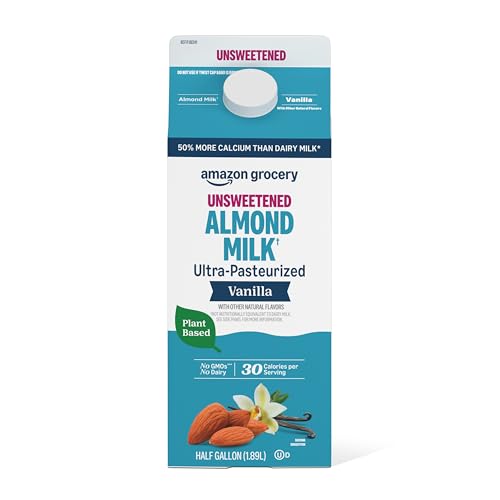
One half gallon of Vanilla Unsweetened Almond Milk
Step 1: Prepare Ingredients
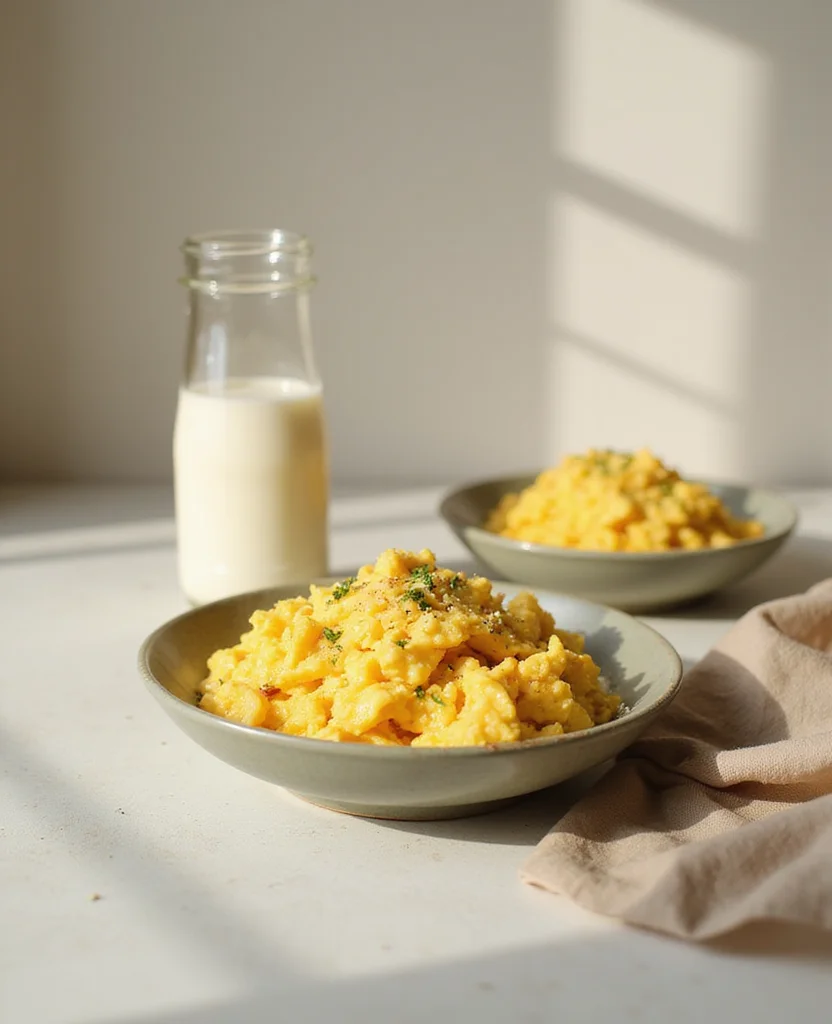
Gather all your ingredients on the countertop.
Wash and chop the spinach.
Dice the onion finely.
Measure out the almond milk and nutritional yeast.
Recommended Products

【Premium Nonstick Coating】: Our frying pan features a safe and healthy non-stick coating, PFOA free; enjoy effortless cooking with minimal oil for a healthier diet;

HEALTHY CERAMIC SKILLET - Made of natural ceramic, free of PFOA, PTFE, PFAS, lead, and cadmium, ensuring safety and health. This skillet does not produce toxic fumes even when overheated, and no coating will come off into your food.

DIAMOND-TOUGH EXCELLENCE: Metal utensil safe surface with diamond-infused ceramic nonstick - 5x harder and 10x longer lasting than traditional coatings. Tough enough for your toughest recipes
Step 2: Whisk Eggs and Milk
Crack the eggs into a large bowl.
Add the almond milk to the eggs.
Whisk the mixture vigorously until smooth and well combined.
Ensure there are no streaks of egg whites or yolk.
Recommended Products

BRAGG NUTRITIONAL YEAST SEASONING: A delicious, cheesy-flavored seasoning that adds a savory, nutritional boost to everyday meals, complete with a convenient shaker top for easy sprinkling


BRAGG NUTRITIONAL YEAST SEASONING WITH ROASTED GARLIC: A vegan, dairy-free, and gluten-free parmesan alternative that makes every dish tastier, elevated with delicious savory notes of slow-roasted garlic
Step 3: Sauté the Onions

Heat a non-stick skillet over medium heat.
Add a small amount of oil and swirl to coat the pan.
Add the diced onions and cook until translucent.
Stir frequently to prevent burning.
Recommended Products

SWEET-EARTHY SPINACH FLAVOR: Our spinach pasta delivers a rich, sweet-earthy flavor that's as vibrant as its green hue. Pair it with pesto and veggies for a gourmet meal in minutes.

SIX FLAVORS, ONE OF EACH: One 12-ounce bag each of Lemon Pepper Linguine, Garlic Parsley Fettuccine, Spinach Linguine, Roasted Garlic & Basil Fettuccine, Spinach Fettuccine, and Vegetable Fettuccine. A different flavor for every night of the week.

Third-Party Tested + Prop 65 Compliant: Every batch is tested by an independent lab, including heavy metal checks, and passes California Prop 65 standards. Processed in a facility that contains wheat, soy, milk, and eggs.
Step 4: Combine Eggs and Onions
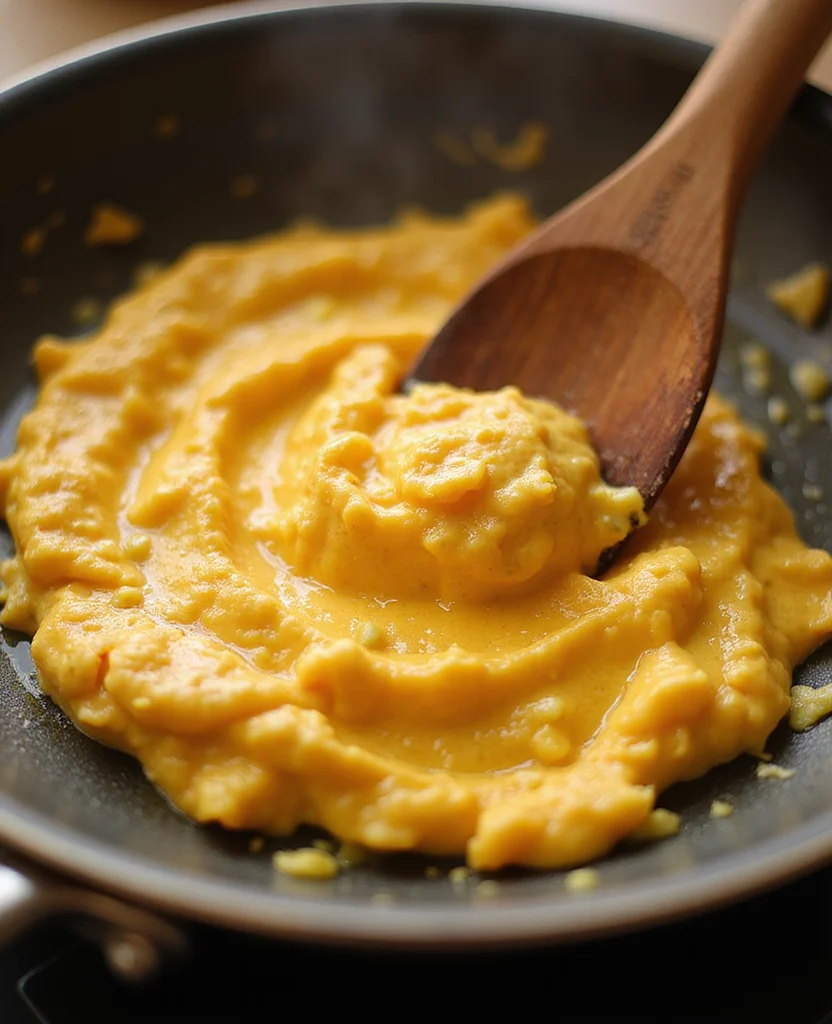
Reduce the heat to low.
Pour the egg mixture into the skillet with the onions.
Gently stir to distribute the onions evenly throughout the eggs.
Ensure the mixture is smooth and even in the pan.
Step 5: Add Spinach and Seasonings
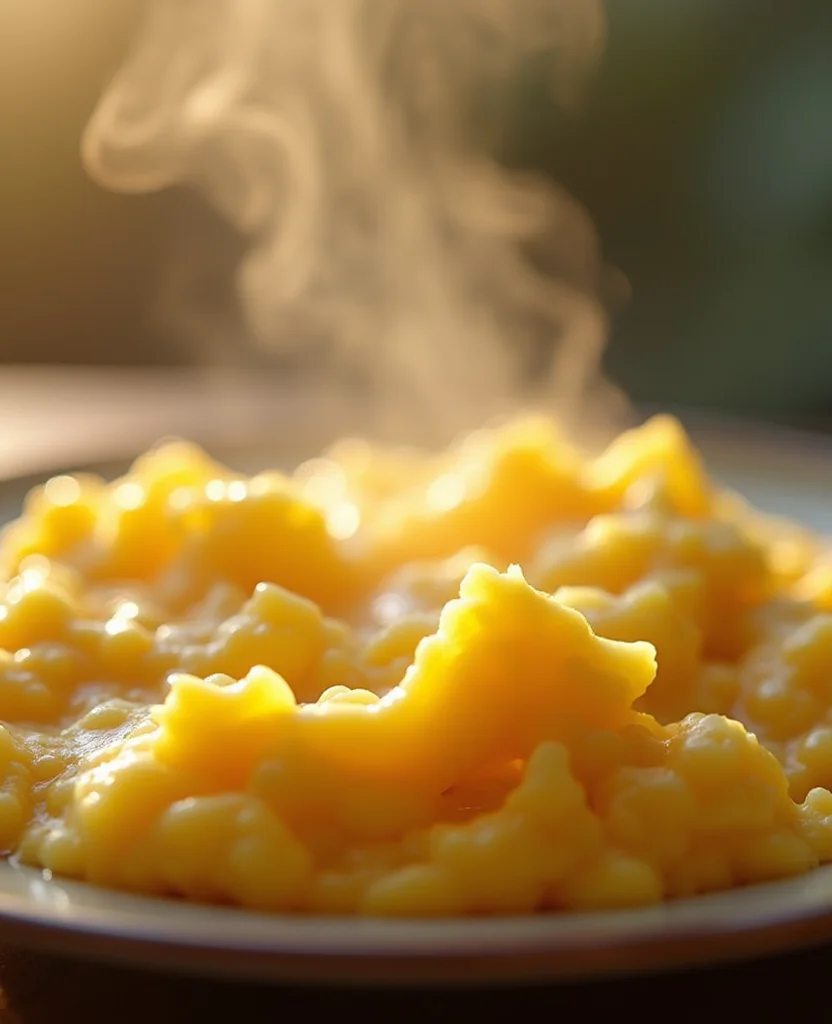
Sprinkle the chopped spinach over the egg mixture.
Add salt, pepper, and nutritional yeast.
Gently fold the ingredients into the eggs using a spatula.
Ensure the spinach is evenly distributed.
Step 6: Cook Gently
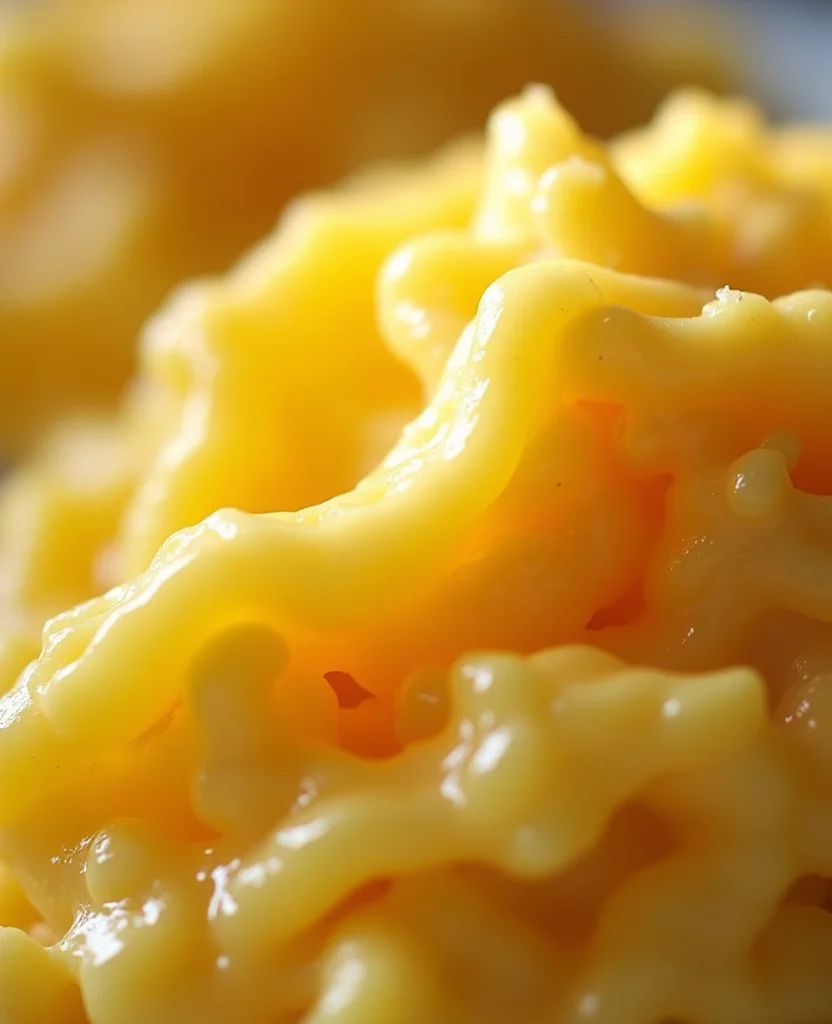
Allow the eggs to cook over low heat.
Stir occasionally to ensure even cooking.
Watch for the eggs to set but still be slightly moist.
Avoid overcooking to prevent dryness.
Step 7: Final Stir and Serve
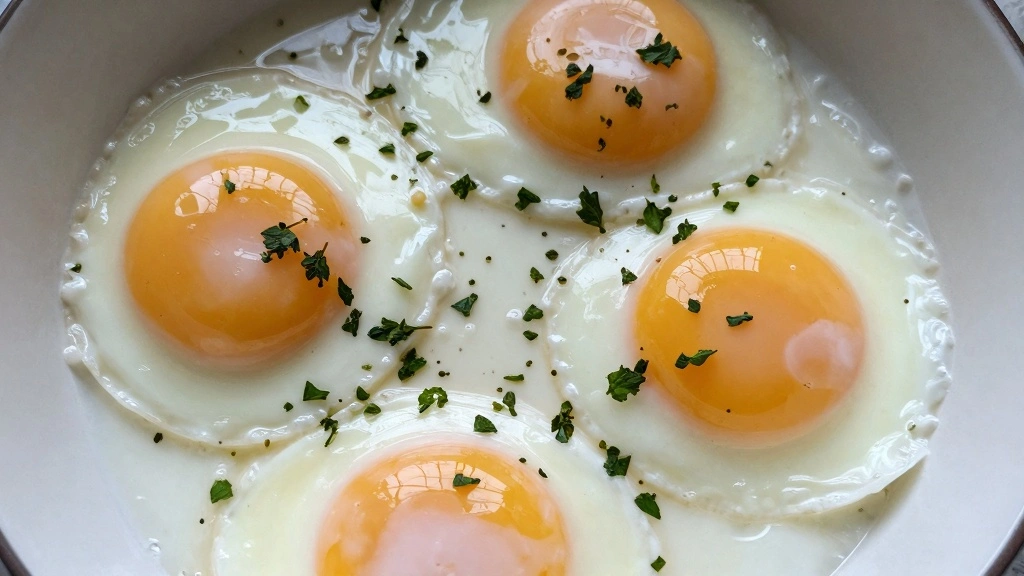
Once the eggs are mostly set, give a final gentle stir.
Remove from heat immediately to prevent overcooking.
Transfer the eggs to a serving dish.
Garnish with additional fresh herbs if desired.
Step 8: Clean Up
Turn off the stove and let the skillet cool.
Wash all used utensils and equipment.
Wipe down the counter surfaces.
Store any leftover ingredients properly.
Critical Timing and Temperature Guide
Whisking Eggs: Whisk eggs and milk for about 2 minutes until fully combined. Look for a uniform color and absence of streaks. Avoid over-whisking, which can introduce too much air and affect texture.
Sautéing Onions: Cook onions over medium heat for about 5 minutes. They should be translucent and soft without browning. Browning can lead to a bitter taste, so watch closely.
Cooking Eggs: Cook eggs on low heat for about 8-10 minutes. The eggs should be set but still slightly moist. Overcooking leads to dryness and a rubbery texture.
Pro Tips for Creamy Dairy Free
• Ingredient Selection: Choose organic eggs and fresh spinach for the best flavor and nutrition. These ingredients make the biggest difference in quality.
• Preparation Secret: Let the eggs sit at room temperature for a few minutes before whisking to help them blend more easily with the almond milk.
• Temperature Management: Ensure the skillet is not too hot; cooking on low heat is key to achieving a creamy texture.
• Texture Enhancement: Use nutritional yeast to mimic the richness of cheese without dairy.
• Flavor Layering: Add a pinch of smoked paprika for a subtle depth of flavor that complements the eggs.
• Make-Ahead Strategies: Prepare the onion and spinach the night before and store in the refrigerator to save time in the morning.
• Restaurant-Quality Finishing Touches: Top with a drizzle of truffle oil or a sprinkle of fresh chives for a gourmet touch.
• Equipment Optimization: Ensure your non-stick skillet is in good condition to prevent the eggs from sticking.
Troubleshooting Common Issues
• Eggs Too Dry: This is usually caused by overcooking. Cook on low heat and remove from the stove while still slightly moist.
• Eggs Not Setting: If the eggs remain runny, the heat might be too low. Increase slightly and stir gently.
• Onions Burning: If onions are browning too quickly, reduce the heat and stir more frequently.
• Flavors Not Balanced: Taste and adjust seasonings before serving. A pinch of salt or additional nutritional yeast can enhance flavor.
• Eggs Sticking to Pan: Ensure the skillet is properly heated before adding the egg mixture, and use a good non-stick surface.
• Spinach Clumping: Distribute spinach evenly and fold gently to avoid clumping in one area.
Variations and Regional Differences
• Italian Style: Add sun-dried tomatoes and basil for a Mediterranean twist. These ingredients add a burst of flavor and color.
• Spanish Variation: Incorporate roasted red peppers and smoked paprika. This version has a distinct smoky and sweet flavor profile.
• Asian Influence: Use sesame oil and soy sauce for seasoning, and add scallions for an umami-rich variation.
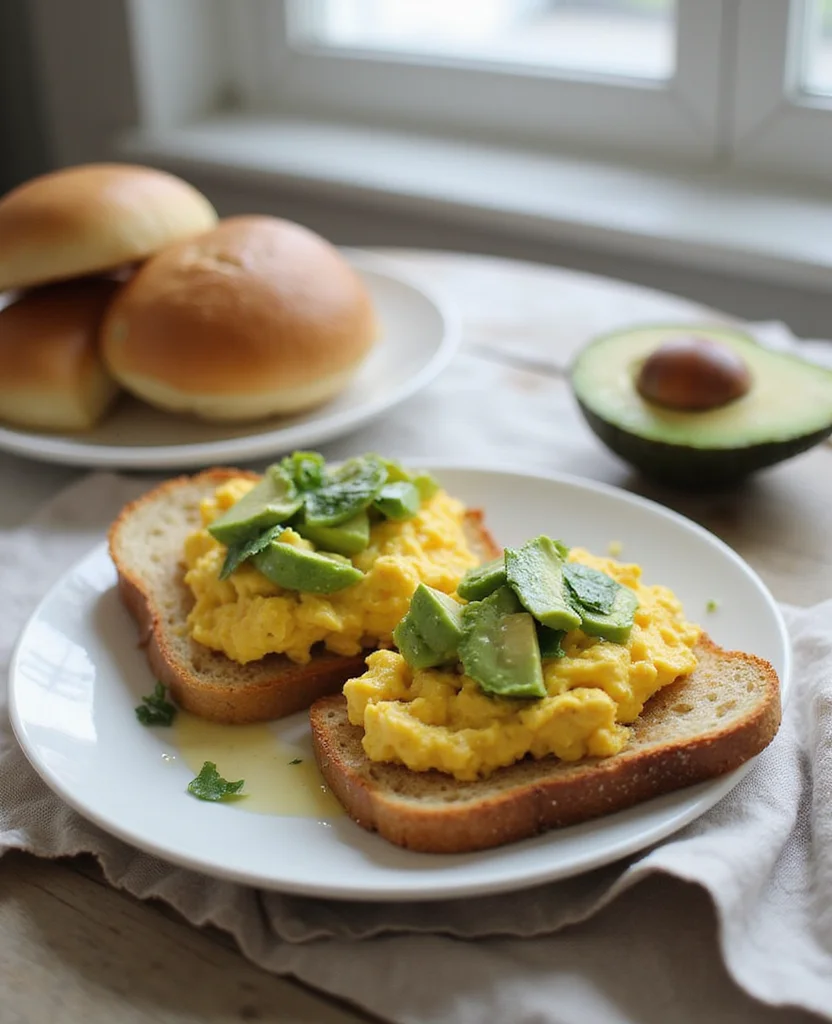
• Southwestern Style: Mix in black beans and jalapeños for a spicy kick, and serve with avocado slices.
Food Science Behind the Recipe
• Emulsification: The process of whisking eggs with almond milk creates a stable emulsion, which results in a creamy, uniform texture.
• Protein Coagulation: As the eggs cook, the proteins coagulate, trapping moisture and creating a soft texture. Proper heat management is crucial to avoid over-coagulation.
• Maillard Reaction: Sautéing the onions initiates the Maillard reaction, enhancing flavor through caramelization without additional sugars.
Frequently Asked Questions
What's the most common mistake people make when preparing creamy dairy-free eggs? The most common mistake is overcooking, which results in dry, rubbery eggs. It's important to cook on low heat and remove from heat while still slightly moist.
Can I use a different non-dairy milk? Yes, you can substitute almond milk with oat or soy milk, but ensure they are unsweetened to maintain the savory profile.
How can I make this recipe vegan? To make it vegan, substitute eggs with tofu and use black salt for an eggy flavor.
Why is my egg mixture not blending well? Ensure that the eggs are at room temperature and whisk thoroughly until there are no streaks.
Can I add cheese to this dish? If dairy is not a concern, adding a small amount of cheese can enhance flavor, but keep it minimal to maintain the dish's creaminess.
What can I serve with these eggs? These eggs pair well with whole-grain toast, fresh fruit, or a light salad for a balanced meal.
How do I store leftovers? Store in an airtight container in the refrigerator for up to two days. Reheat gently on the stovetop.
Serving and Presentation Guide
• Traditional Presentation: Serve the eggs in a shallow bowl, garnished with fresh herbs and a sprinkle of nutritional yeast for color and flavor.
• Family Style: Present the eggs on a large platter, surrounded by fresh vegetables and crusty bread, allowing everyone to serve themselves.
• Individual Plates: Portion the eggs into small ramekins, topped with a drizzle of olive oil and a sprig of parsley for an elegant touch.
• Brunch Buffet: Set up a station with additional toppings like diced tomatoes, olives, and avocado for guests to customize their servings.
Conclusion
This creamy dairy-free egg recipe is a delicious way to start your day with something special.
The combination of rich flavors and smooth textures will leave you feeling satisfied and energized.
Give this recipe a try, and discover how easy and enjoyable dairy-free cooking can be.