
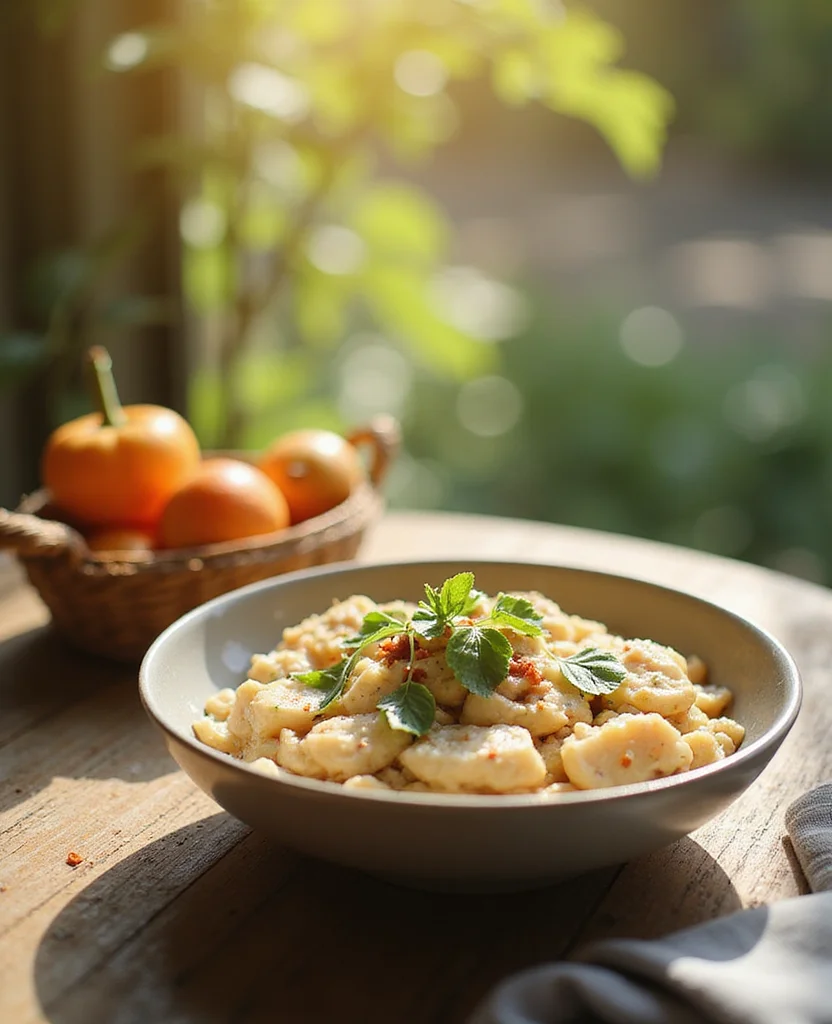
As a breastfeeding mother, finding meals that are both nutritious and allergen-free can be a daunting task.
This dairy and soy-free recipe offers a flavorful solution, perfect for moms seeking to avoid these common allergens.
With a delightful balance of fresh herbs and spices, this dish proves that dietary restrictions don’t have to mean bland meals.
Inspired by Mediterranean flavors, it incorporates ingredients known for their health benefits and delicious taste.
Whether you’re new to a restricted diet or a seasoned pro, this recipe is sure to become a staple in your meal rotation.
Contents
- The History and Cultural Significance
- Recipe Overview
- Nutritional Information (per serving)
- Essential Equipment Guide
- Ingredients
- Preparation Methods
- Step 1: Prepare Ingredients
- Step 2: Marinate the Chicken
- Step 3: Heat the Skillet
- Step 4: Sauté the Chicken
- Step 5: Cook the Vegetables
- Step 6: Create the Sauce
- Step 7: Combine Ingredients
- Step 8: Serve the Dish
- Critical Timing and Temperature Guide
- Pro Tips for Dairy and Soy
- Troubleshooting Common Issues
- Variations and Regional Differences
- Food Science Behind the Recipe
- Frequently Asked Questions
- Serving and Presentation Guide
The History and Cultural Significance
• Dairy and Soy traces its origins to the Mediterranean region, where it was originally created by resourceful cooks using local ingredients.
• The dish evolved over decades as new spices and herbs were introduced through trade routes, eventually becoming the beloved version we know today.
• In Mediterranean culture, this dish traditionally appears at family gatherings, symbolizing health and abundance.
• While many variations exist across different regions, the authentic version maintains a focus on fresh, seasonal produce that sets it apart from imitations.
Recipe Overview
Nutritional Information (per serving)
Essential Equipment Guide
Cast Iron Skillet: A cast iron skillet is crucial for achieving the perfect sear on your protein, ensuring even cooking and enhancing flavor development. Alternative options include a heavy-duty stainless steel pan. Look for skillets with a well-seasoned surface for best results.
Food Processor: This tool is essential for creating smooth sauces and finely chopped vegetables, which contribute to the dish’s texture and flavor. If unavailable, a blender or sharp knife can be used, though these may require more time and effort.
Digital Meat Thermometer: Ensuring your protein is cooked to the right temperature is key for both safety and taste. A digital meat thermometer provides accuracy. Look for ones with quick-read capabilities for efficiency.
Ingredients
For the Base
|
| Amount | Ingredient | Notes |
|---|---|---|
| 2 tablespoons | olive oil | adds richness and flavor |
| 1 pound | chicken breast | sliced into strips |
Vegetables
| Amount | Ingredient | Notes |
|---|---|---|
| 1 large | zucchini | sliced thinly |
| 2 cups | spinach leaves | washed and dried |
Seasonings
| Amount | Ingredient | Notes |
|---|---|---|
| 1 teaspoon | garlic powder | enhances savory flavors |
| 1 teaspoon | dried oregano | adds a Mediterranean touch |
For the Sauce
| Amount | Ingredient | Notes |
|---|---|---|
| 1 cup | coconut milk | provides creaminess |
| 1 tablespoon | lemon juice | adds brightness |
Preparation Methods
Marinating: Marinating the chicken in olive oil and seasonings prior to cooking helps infuse the meat with flavor and tenderize it. Allow the chicken to marinate for at least 30 minutes for best results.
Sautéing: This technique involves cooking food quickly in a small amount of oil over high heat, which is ideal for developing flavors and textures in both the chicken and vegetables. Ensure the pan is hot before adding ingredients to avoid steaming.
Deglazing: After sautéing, deglazing the pan with lemon juice and coconut milk lifts the flavorful brown bits, creating a rich sauce. Use a spatula to scrape the pan while adding liquid.
Step 1: Prepare Ingredients
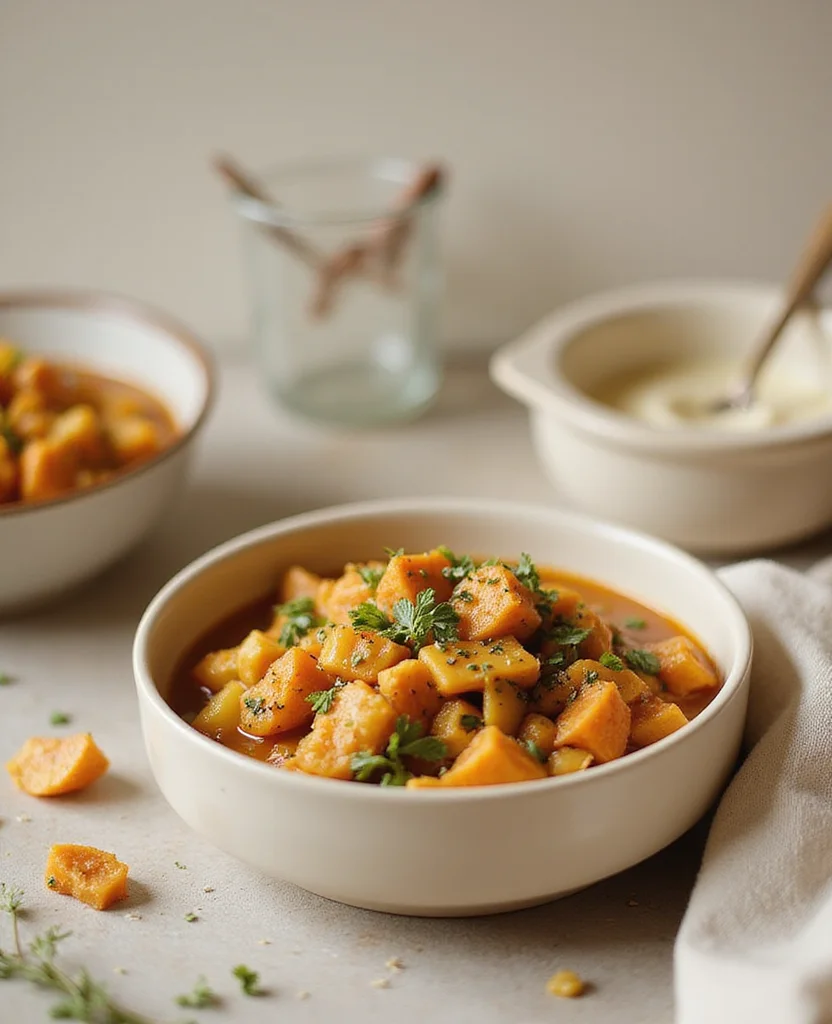
Gather all ingredients and equipment needed for the recipe.
Slice the chicken breast into strips and set aside.
Wash and dry the spinach leaves and slice the zucchini thinly.
Measure out seasonings and coconut milk for easy access during cooking.
Step 2: Marinate the Chicken

Place sliced chicken into a bowl with olive oil, garlic powder, and dried oregano.
Mix thoroughly to ensure even coating of the chicken strips.
Cover the bowl and refrigerate for at least 30 minutes.
This step enhances the flavor and tenderness of the chicken.
Step 3: Heat the Skillet
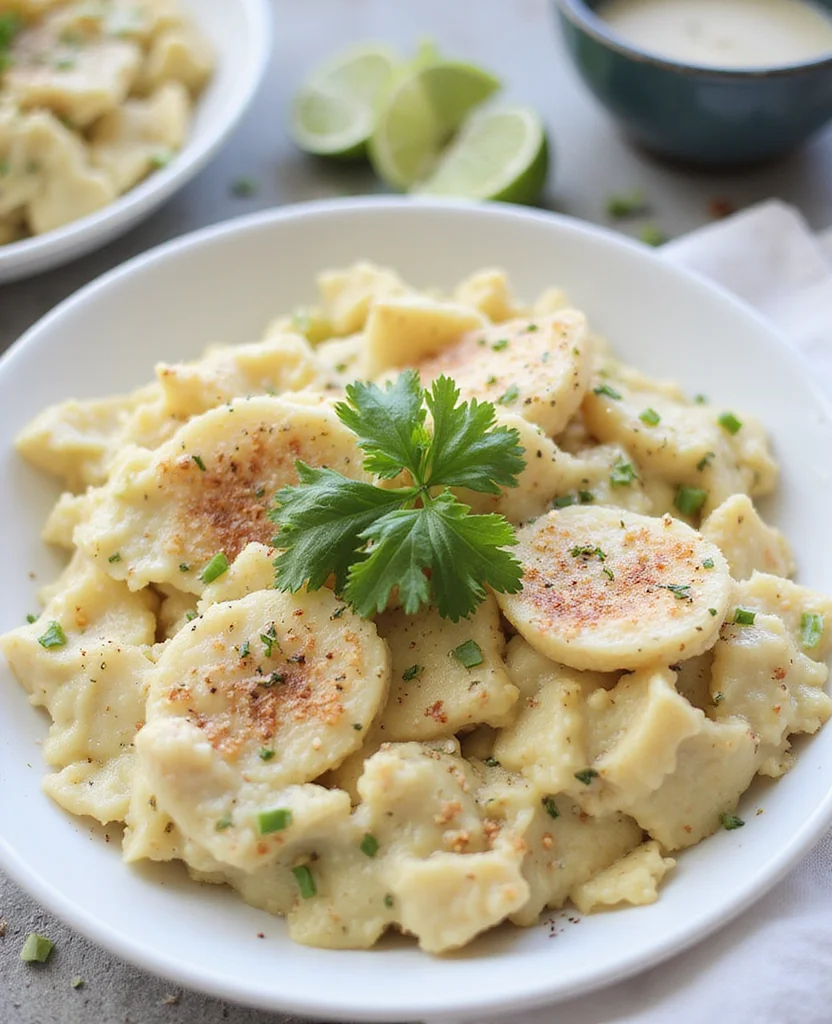
Place the cast iron skillet on the stove over medium-high heat.
Add a tablespoon of olive oil to the skillet and let it heat until shimmering.
Ensure the skillet is evenly heated before adding ingredients.
This prevents sticking and promotes even cooking.
Step 4: Sauté the Chicken
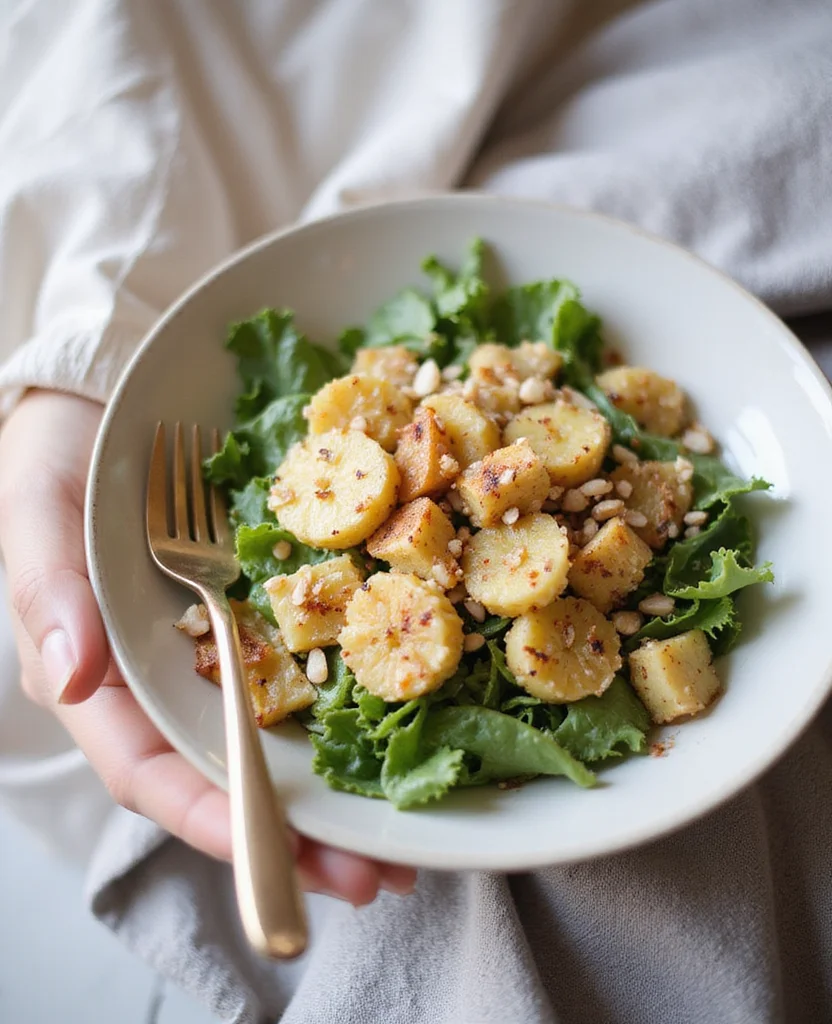
Add the marinated chicken strips to the hot skillet in a single layer.
Cook for about 5 minutes until the chicken is browned on one side.
Flip the chicken and cook for another 3 minutes to ensure even browning.
Transfer the chicken to a plate and set aside.
Step 5: Cook the Vegetables
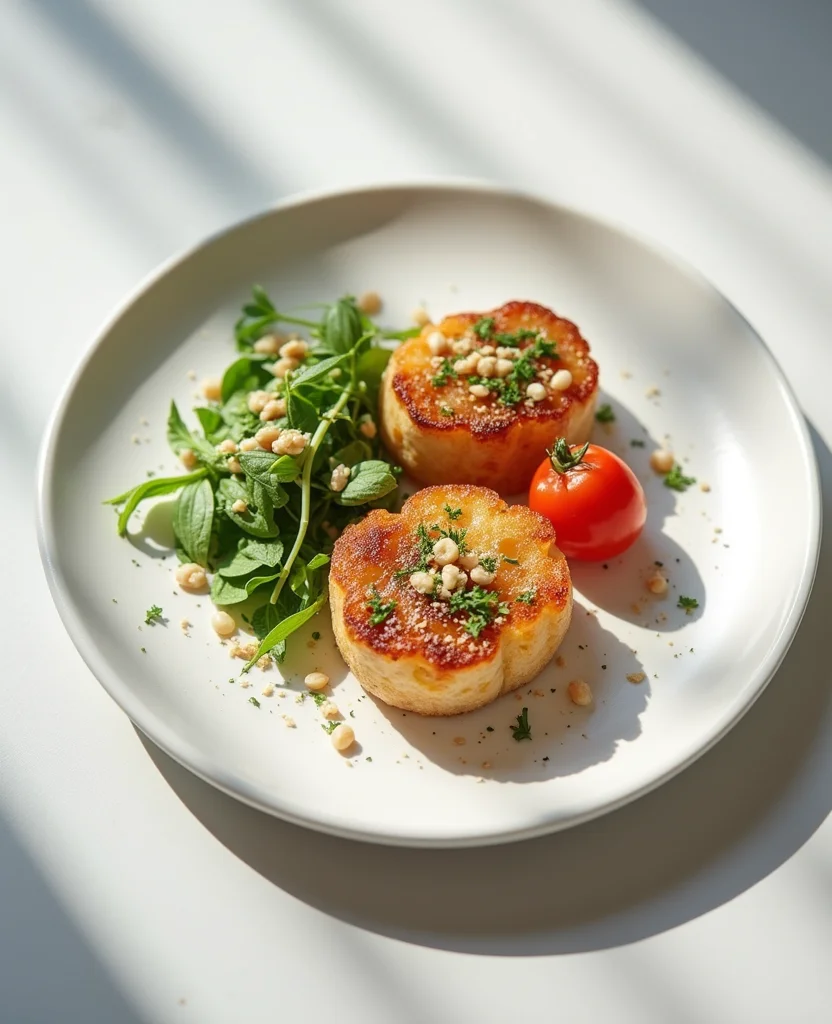
In the same skillet, add the sliced zucchini and sauté for 3 minutes.
Add the spinach leaves and toss until wilted, about 2 minutes.
Ensure all vegetables are cooked evenly and have a slight char.
Remove the vegetables from the skillet and set aside.
Step 6: Create the Sauce
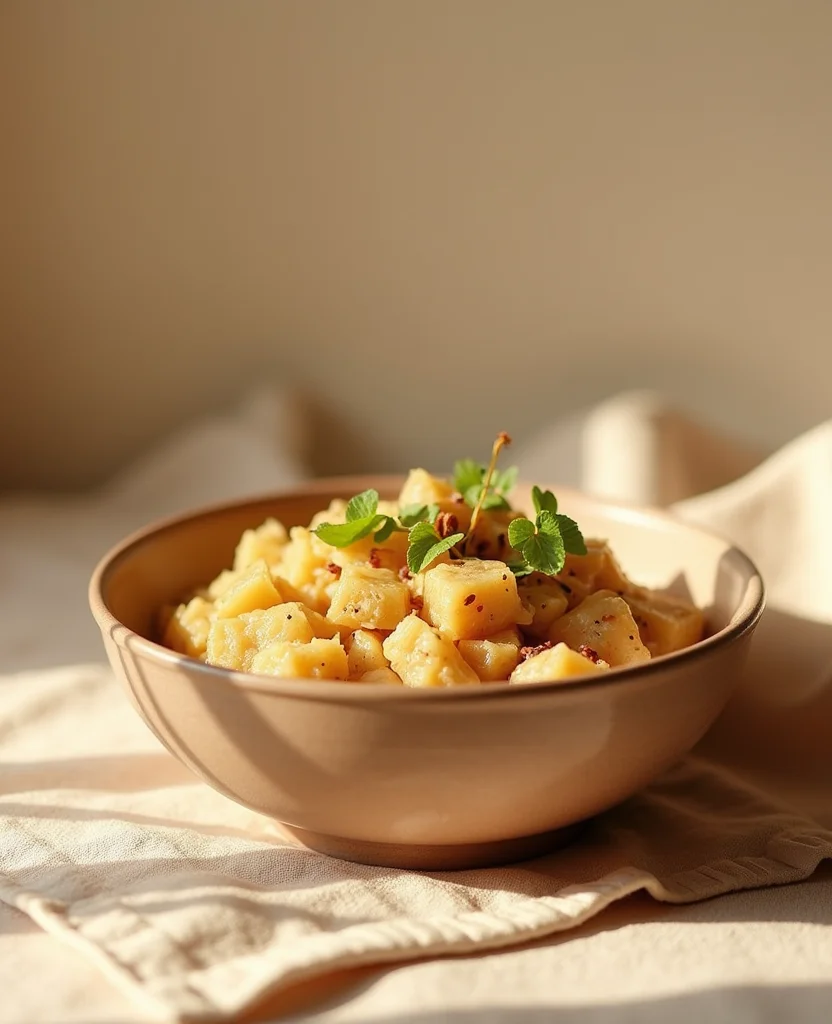
Return the skillet to the heat and pour in the coconut milk.
Add the lemon juice and stir to combine, scraping up any browned bits.
Bring the mixture to a simmer to thicken slightly.
This deglazing step enhances the sauce's flavor.
Step 7: Combine Ingredients
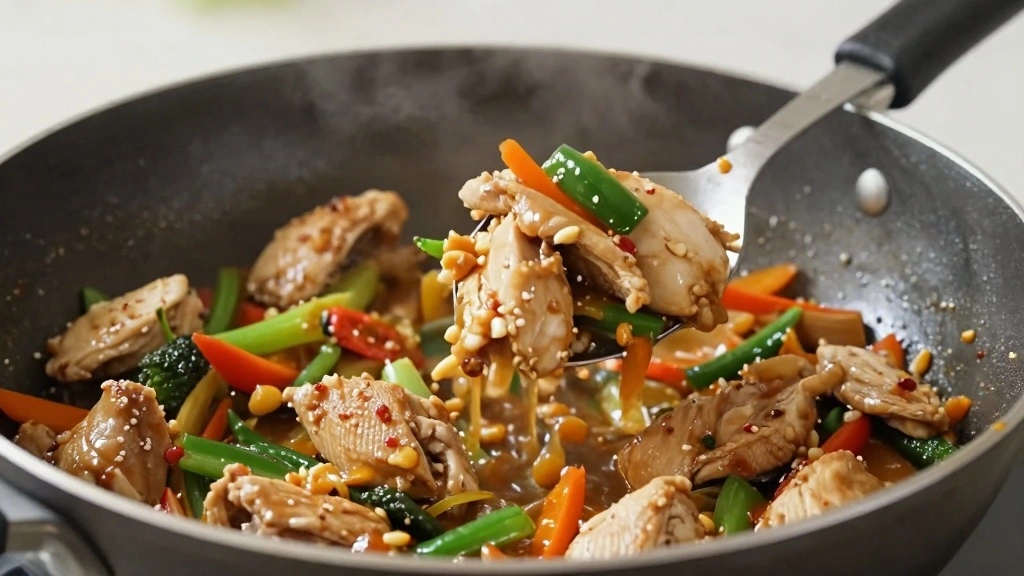
Return the chicken and vegetables to the skillet with the sauce.
Toss everything to ensure all components are well-coated in the sauce.
Allow the dish to simmer for 5 minutes to meld flavors.
Check seasoning and adjust with salt or pepper if needed.
Step 8: Serve the Dish
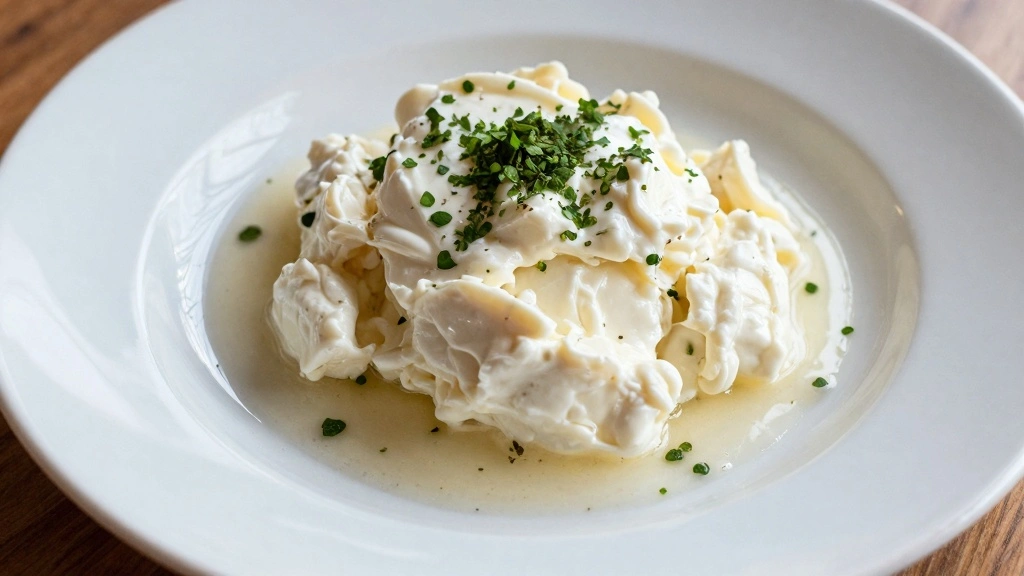
Transfer the finished dish to a serving platter for presentation.
Garnish with fresh herbs like parsley or basil for added flavor.
Serve hot, accompanied by your choice of sides, such as rice or quinoa.
Enjoy the dish immediately for the best taste and texture.
Critical Timing and Temperature Guide
Chicken Cooking: Cook chicken strips until they reach an internal temperature of 165°F. Look for a golden-brown exterior. Avoid overcooking, which can make the chicken tough.
Vegetable Sauté: Zucchini should be cooked until tender with a slight char in 5-6 minutes. Overcrowding the pan can cause steaming instead of browning.
Sauce Simmering: Simmer the sauce until it thickens slightly, usually 3-5 minutes. Avoid boiling, which can cause the coconut milk to separate.
Pro Tips for Dairy and Soy
• Ingredient Selection: Choose organic chicken and fresh, in-season vegetables for the best flavor and nutrition.
• Preparation Secret: Marinating the chicken not only adds flavor but also keeps it moist and tender.
• Temperature Management: Allow the skillet to heat properly before adding ingredients to ensure a good sear.
• Texture Enhancement: Sauté vegetables until they have a slight char for an added layer of texture.
• Flavor Layering: Use fresh herbs at the end of cooking to add a burst of flavor and aroma.
• Make-Ahead Strategies: Prepare the chicken and vegetables in advance and store separately for up to 2 days.
• Restaurant-Quality Finishing Touches: Add a sprinkle of smoked paprika or chili flakes for an extra kick.
• Equipment Optimization: Ensure your cast iron skillet is well-seasoned to prevent sticking and enhance flavor.
Troubleshooting Common Issues
• Chicken Too Dry: This can happen if the chicken is overcooked. Ensure you remove it from heat as soon as it reaches 165°F.
• Vegetables Overcooked: Cook vegetables quickly over high heat to prevent them from becoming mushy.
• Sauce Too Thin: If the sauce doesn't thicken, let it simmer a bit longer or add a teaspoon of cornstarch mixed with water.
• Flavors Not Balanced: Adjust seasonings at the end of cooking, adding more salt, lemon juice, or herbs as needed.
• Ingredients Sticking to Pan: Ensure the skillet is hot enough before adding ingredients to prevent sticking.
Variations and Regional Differences
• Italian Style: Use basil and tomatoes in place of spinach and oregano, and serve with gluten-free pasta.
• Asian Influence: Incorporate ginger, garlic, and soy-free tamari sauce for a unique twist.
• Middle Eastern Flair: Add cumin and coriander, and serve with quinoa for a hearty meal.
• Mexican Twist: Use lime juice and cilantro, and serve with corn tortillas.
Food Science Behind the Recipe
• Maillard Reaction: This chemical reaction between amino acids and reducing sugars gives browned foods their distinctive flavor, crucial for the chicken and vegetables.
• Emulsification: The combination of coconut milk and lemon juice creates a stable sauce that coats ingredients evenly.
• Heat Transfer: Proper heat distribution in the skillet ensures even cooking, preventing hot spots that can lead to burning.
Frequently Asked Questions
What's the most common mistake people make when preparing this recipe? Overcooking the chicken is a frequent issue, leading to dryness. Be sure to monitor the internal temperature closely.
Can I substitute other proteins for chicken? Yes, turkey or tofu (soy-free) can be used, though cooking times may vary.
How can I make this dish spicier? Add chili flakes or a dash of cayenne pepper to the seasoning mix for extra heat.
Is it possible to prepare the dish ahead of time? Yes, you can prepare the components in advance and combine them just before serving.
What side dishes go well with this meal? Quinoa, rice, or a fresh salad pairs beautifully with this dish.
How do I store leftovers? Store in an airtight container in the refrigerator for up to 3 days.
Can I freeze this dish? While the texture of vegetables may change, the dish can be frozen for up to 1 month.
Serving and Presentation Guide
• Traditional Presentation: Serve the dish on a large platter, garnished with fresh herbs like parsley or basil.
• Individual Plates: Arrange the chicken and vegetables artfully on each plate, with a drizzle of sauce on top.
• Family Style: Serve in a large bowl, allowing guests to help themselves, creating a casual and interactive dining experience.
• Layered Presentation: For a more formal presentation, layer quinoa or rice on the bottom, topped with chicken and vegetables.
Conclusion
This dairy and soy-free recipe offers a delicious and healthy meal option for breastfeeding mothers.
Its blend of fresh flavors and easy preparation makes it a perfect addition to any weekly meal plan.
Try this recipe today and discover how dietary restrictions can lead to culinary creativity and enjoyment.