
There’s something magical about starting your day with a vibrant, nutrient-packed smoothie.
As someone who loves experimenting with flavors, dairy-free smoothies offer endless possibilities for delicious morning blends.
These smoothies capture the essence of fresh fruits and vegetables, creating a symphony of flavors that dance on your palate.
Whether it’s summer or winter, these smoothies are a refreshing start to any day.
The best part? They’re incredibly easy to make, saving you time while keeping you healthy.
Join me as we explore some easy dairy-free smoothie recipes that are both nutritious and satisfying.
Contents
- The History and Cultural Significance
- Recipe Overview
- Nutritional Information (per serving)
- Essential Equipment Guide
- Ingredients
- Preparation Methods
- Step 1: Prepare Ingredients
- Step 2: Layer Ingredients in Blender
- Step 3: Start Blending
- Step 4: Taste and Adjust
- Step 5: Pour and Serve
- Critical Timing and Temperature Guide
- Pro Tips for Dairy Free Smoothie
- Troubleshooting Common Issues
- Variations and Regional Differences
- Food Science Behind the Recipe
- Frequently Asked Questions
- Serving and Presentation Guide
The History and Cultural Significance
• Dairy Free Smoothie traces its origins to the tropical regions where fresh fruits were bountiful and blended drinks were a staple.
• The dish evolved over decades as global trade introduced new ingredients, eventually becoming the beloved versions we know today.
• In many cultures, these smoothies traditionally appear at breakfast tables, symbolizing health and vitality.
• While many variations exist across different regions, the authentic version maintains a focus on fresh, whole ingredients that set it apart from imitations.
Recipe Overview
Nutritional Information (per serving)
Essential Equipment Guide
Blender: A high-speed blender is crucial for achieving a smooth, creamy texture. Look for one with multiple speed settings and a strong motor. Alternatives like immersion blenders can work, but they may require more blending time.
Measuring Cups and Spoons: Precision is key in ensuring the right balance of flavors. Choose a set that’s easy to read and durable. Digital scales can be used as an alternative for more accuracy.
Knife and Cutting Board: Sharp knives make it easier to prepare fruits and vegetables quickly, while a sturdy cutting board provides a safe surface. Consider using a ceramic knife for softer fruits to prevent browning.
Ingredients
For the Base
|
| Amount | Ingredient | Notes |
|---|---|---|
| 1 cup | almond milk | provides a creamy, nutty flavor |
| 1 banana | ripe, peeled and sliced |
Fruits
| Amount | Ingredient | Notes |
|---|---|---|
| 1 cup | frozen mixed berries | adds sweetness and color |
| 1 medium | apple | cored and chopped |
Add-Ins
| Amount | Ingredient | Notes |
|---|---|---|
| 1 tablespoon | chia seeds | for extra fiber and omega-3s |
| 1 tablespoon | maple syrup | optional, for additional sweetness |
Preparation Methods
Layering Ingredients: Start with liquids at the bottom of the blender to facilitate blending. Add denser ingredients like bananas and apples next, followed by frozen fruits.
Blending Technique: Begin blending at a low speed and gradually increase to high. This prevents air pockets and ensures a smooth consistency.
Tasting and Adjusting: After blending, taste your smoothie. Adjust sweetness or liquid consistency with maple syrup or more almond milk as needed.
Step 1: Prepare Ingredients
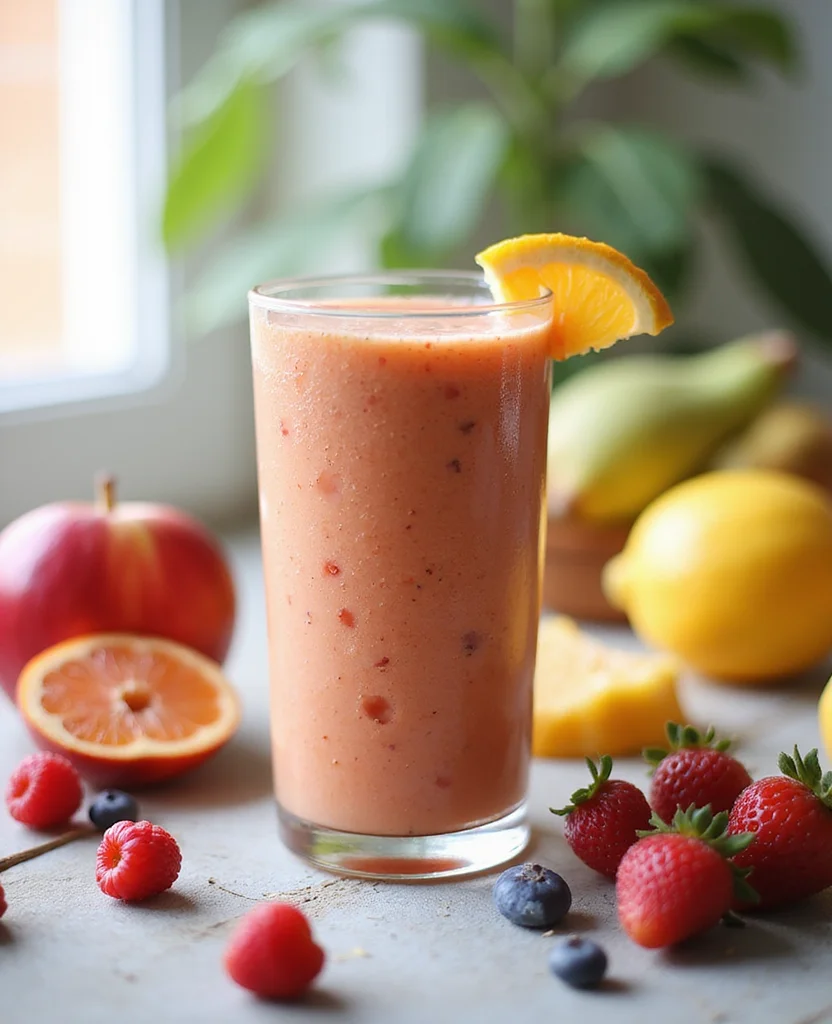
Gather all the ingredients listed.
Peel and slice the banana.
Core and chop the apple into small pieces.
Measure out the almond milk and frozen berries.
Step 2: Layer Ingredients in Blender
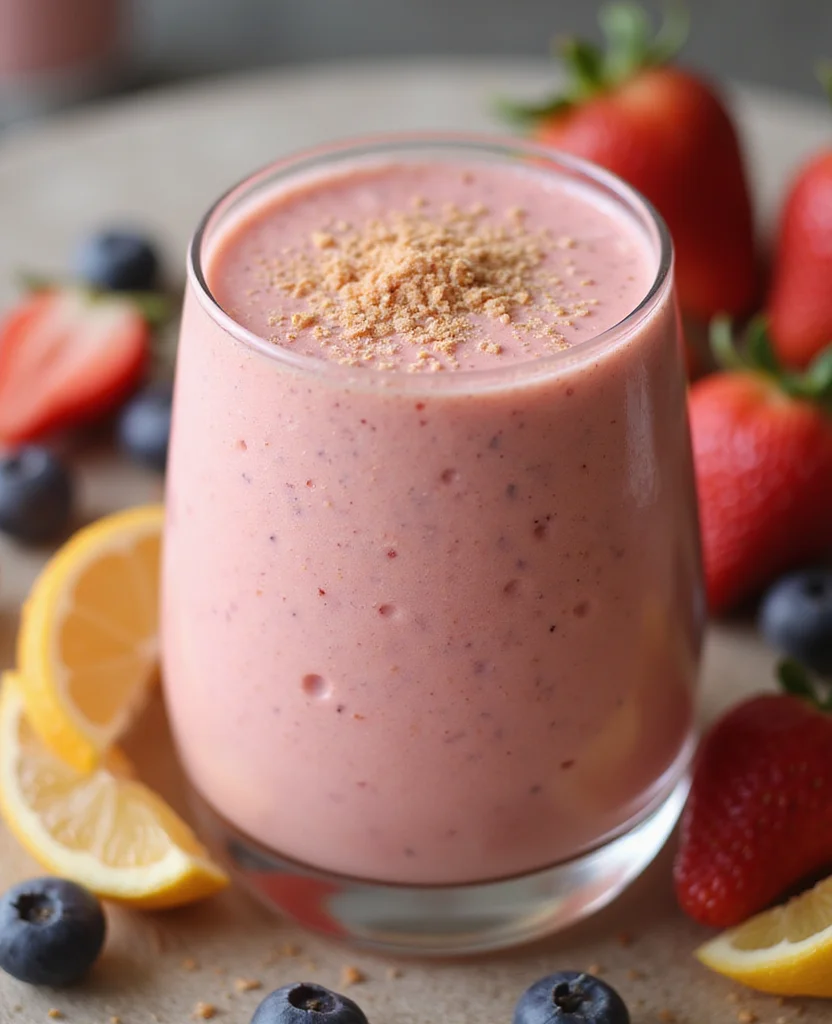
Pour almond milk into the blender first.
Add the sliced banana and chopped apple.
Top with frozen mixed berries.
Sprinkle chia seeds and add maple syrup if using.
Step 3: Start Blending
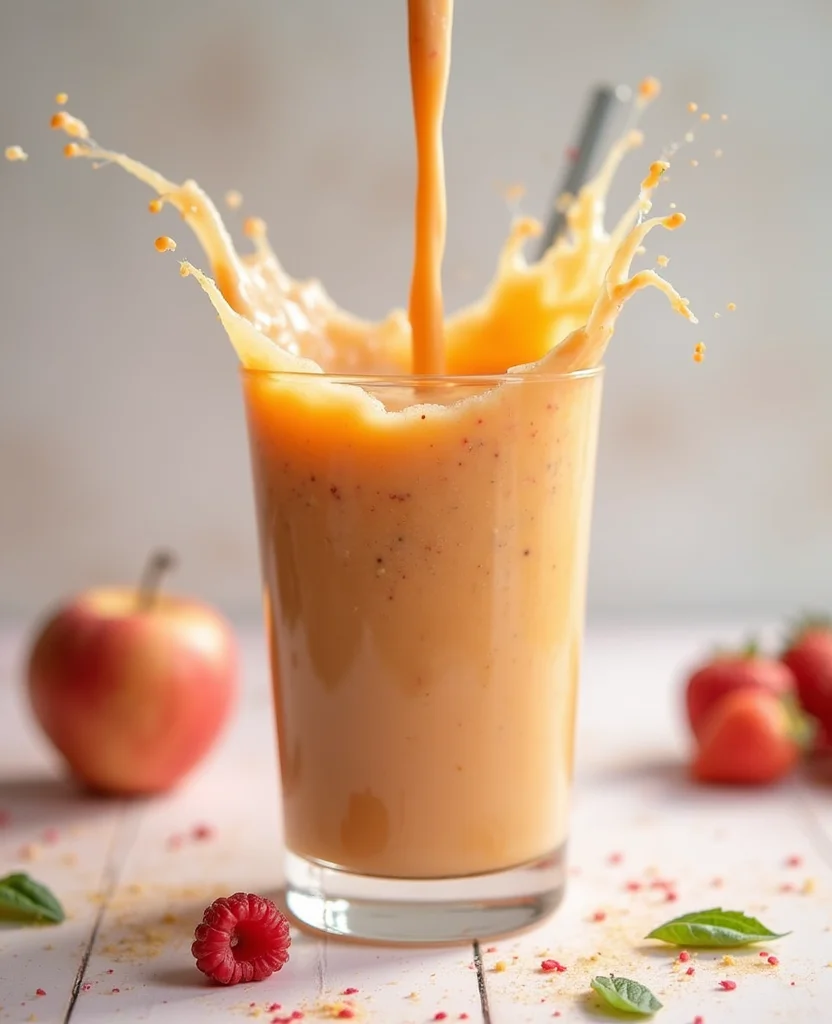
Secure the blender lid tightly.
Begin blending on a low speed setting.
Gradually increase the speed to high.
Blend until smooth and creamy, with no chunks remaining.
Step 4: Taste and Adjust
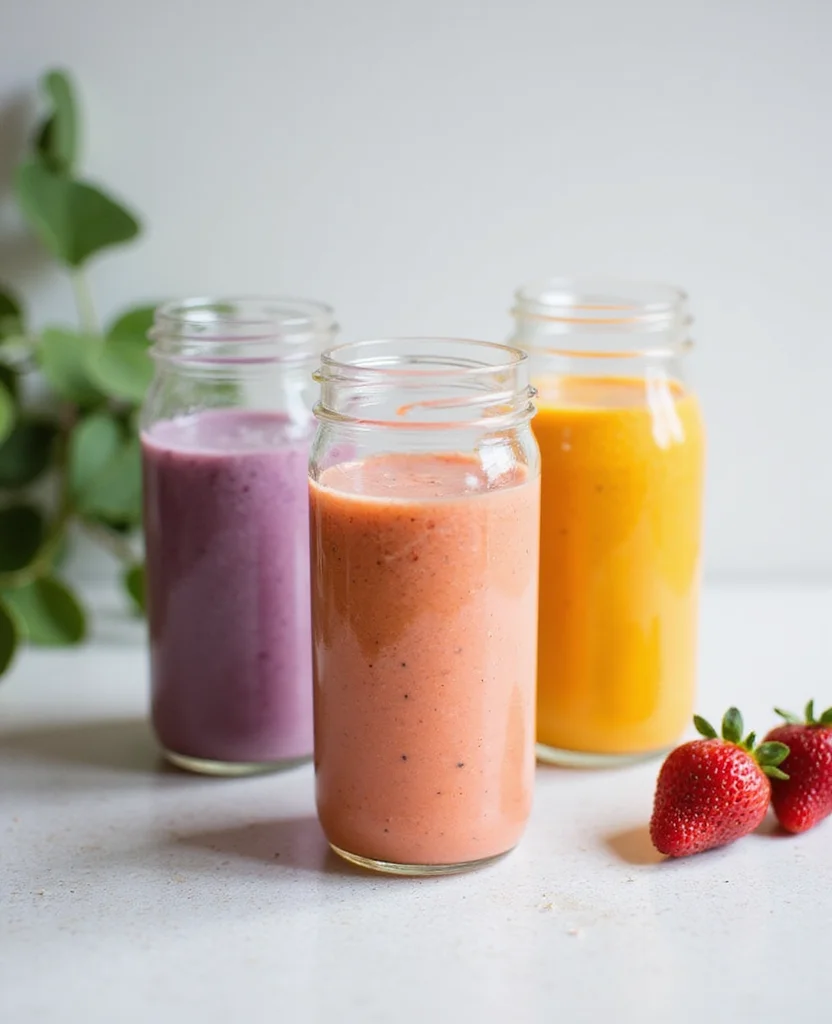
Stop the blender and remove the lid.
Use a spoon to taste the smoothie.
If it's too thick, add more almond milk.
Blend again briefly to incorporate any adjustments.
Step 5: Pour and Serve
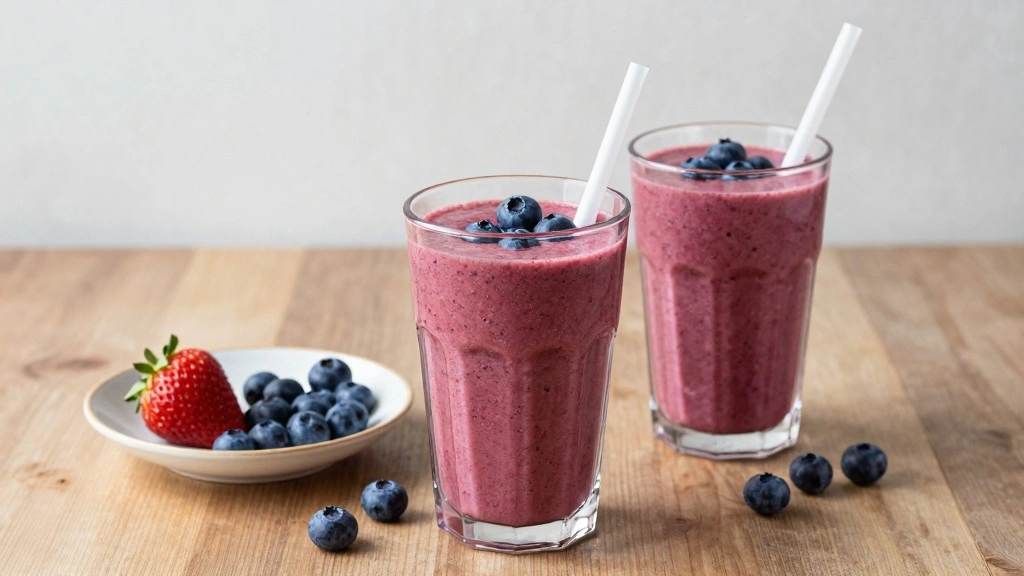
Carefully pour the smoothie into glasses.
Leave some space at the top to avoid spills.
Garnish with a few whole berries or a sprinkle of chia seeds.
Serve immediately for the freshest taste.
Critical Timing and Temperature Guide
Blending: Blend for 1-2 minutes until the texture is smooth. Watch for a silky consistency without chunks. Over-blending can heat the smoothie, affecting flavor.
Ingredient Temperature: Use frozen fruits for a thicker consistency. If using fresh fruits, add ice cubes to achieve a chilled temperature. Avoid letting ingredients sit out too long, as room temperature components can dilute flavors.
Serving Timing: Serve immediately after blending for the best texture and taste. Smoothies can separate if left standing; re-blend briefly if this occurs.
Pro Tips for Dairy Free Smoothie
• Ingredient Selection: Choose ripe bananas and fresh apples for natural sweetness and creamy texture, reducing the need for added sweeteners.
• Preparation Secret: Freeze sliced bananas ahead of time to enhance texture and chill the smoothie without ice.
• Temperature Management: Ensure almond milk is chilled before blending for a refreshing result.
• Texture Enhancement: Use a high-speed blender to achieve a velvety smooth texture that distinguishes a great smoothie.
• Flavor Layering: Blend with a touch of vanilla extract to add depth and complexity to the fruit flavors.
• Make-Ahead Strategies: Prepare and freeze smoothie packs with pre-measured ingredients for quick blending; use within one month.
• Restaurant-Quality Finishing Touches: Top with a sprinkle of granola or coconut flakes for added texture and visual appeal.
• Equipment Optimization: Clean the blender immediately after use to prevent residue from hardening, ensuring longevity and consistent performance.
Troubleshooting Common Issues
• Texture Too Thin: This issue often arises from using too much liquid. Reduce almond milk or add more frozen fruit to thicken.
• Flavors Unbalanced: If one flavor overpowers, adjust by adding a complementary ingredient, like a dash of lemon juice for overly sweet smoothies.
• Separation Occurs: Separation can happen if smoothies sit too long. Re-blend briefly or shake the container to recombine.
• Overly Fibrous Texture: Too much fibrous fruit like apple can cause this. Ensure proper blending time and consider straining if necessary.
• Not Cold Enough: Warm smoothies are often a result of over-blending or warm ingredients. Add ice or use more frozen fruits.
• Blender Struggles: If the blender stalls, it may be overloaded. Stop, stir the contents, and restart blending in smaller batches.
Variations and Regional Differences
• Tropical Style: This version includes mango and pineapple, with coconut milk instead of almond milk, reflecting tropical flavors and adding a creamy texture.
• Green Smoothie: Incorporates spinach or kale for a nutrient boost, with avocado for creaminess, popular in health-conscious communities.
• Berry Blast: Focuses on blueberries and strawberries, with a squeeze of orange juice for a citrusy twist, favored in Mediterranean regions.
• Spiced Chai: Adds a pinch of cinnamon and ginger, using oat milk for a warming, spiced profile common in Indian cuisine.
Food Science Behind the Recipe
• Emulsification: The blending process emulsifies the liquid and fruit, creating a stable mixture; understanding this helps achieve the desired creamy consistency.
• Enzymatic Browning: Acidic ingredients like lemon juice can prevent browning in fruits like apples, preserving both color and flavor.
• Fiber Solubility: Soluble fiber in fruits thickens the smoothie as it absorbs liquid, a principle useful in adjusting texture.
Frequently Asked Questions
What's the most common mistake people make when preparing dairy-free smoothies? Overloading the blender with too many ingredients at once, leading to inconsistent blending and texture.
Can I use water instead of almond milk? Yes, but the smoothie will be less creamy; consider adding a spoonful of nut butter for richness.
How can I make my smoothie sweeter without added sugar? Use ripe fruits like bananas or add a date or two for natural sweetness.
Are there any alternatives to bananas for creaminess? Avocado or soaked chia seeds can provide a similar creamy texture without overpowering flavors.
What's the best way to clean my blender after making smoothies? Fill it halfway with warm water and a drop of dish soap, then blend on high for 30 seconds before rinsing.
How long can I store leftover smoothies? Store in an airtight container in the fridge for up to 24 hours; re-blend before serving for best texture.
Can I add protein powder to these smoothies? Absolutely, just ensure it complements the flavor profile of your chosen smoothie blend.
Serving and Presentation Guide
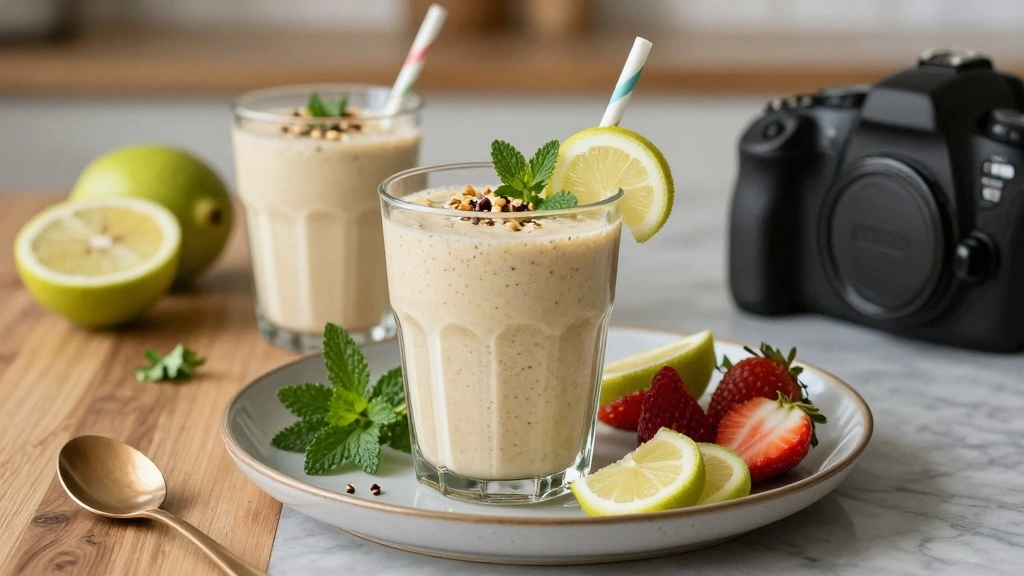
• Traditional Presentation: Serve in clear glasses to highlight the vibrant color, garnished with fresh fruit or a sprig of mint.
• Layered Look: For a visually appealing presentation, layer different smoothie colors by blending separately and pouring carefully.
• Mason Jar Style: Pour into mason jars with lids for a rustic, portable option perfect for on-the-go mornings.
• Bowl Presentation: Serve in a bowl topped with sliced fruits, nuts, and seeds for a smoothie bowl experience.
Conclusion
Creating your own dairy-free smoothies is a delightful way to start the day with a burst of flavor and nutrition.
These recipes are versatile, allowing you to customize them to your taste and dietary needs.
Embrace the creativity of blending and discover your favorite combinations.
I encourage you to explore these easy recipes and enjoy the freshness they bring to your morning routine.