
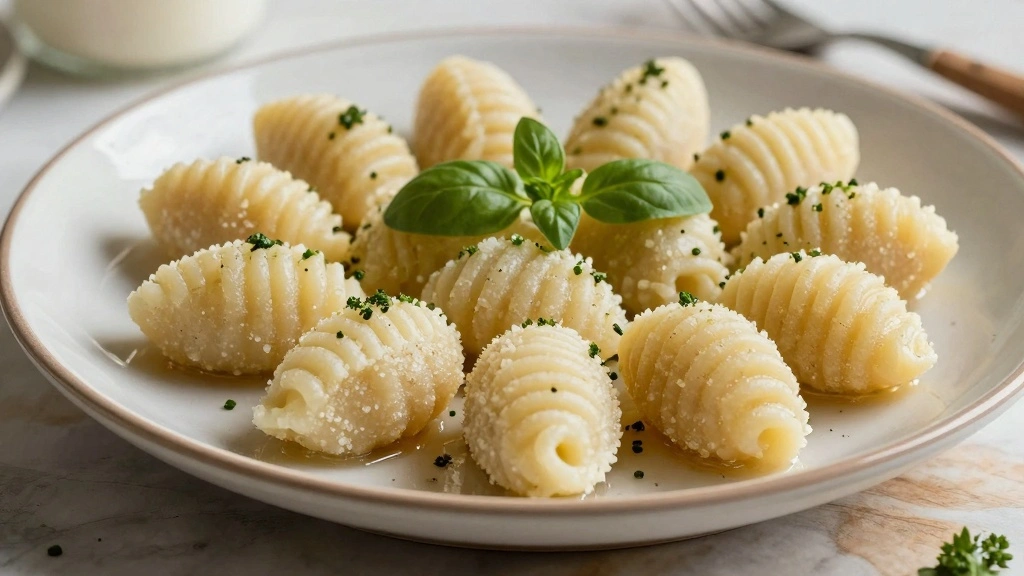
The art of making gnocchi is a cherished tradition that transforms humble ingredients into a culinary masterpiece.
As someone who adores both simplicity and flavor, these dairy-free gnocchi bring the best of both worlds to my table.
The fluffy texture and subtle potato flavor create a comforting dish that feels like a warm embrace.
Perfect for those seeking a dairy-free alternative without compromising on taste, these gnocchi will delight everyone at your table.
Crafted with love and care, this recipe is perfect for cozy evenings or impressive dinner parties.
Join me on this journey to create a dish that’s as delightful to make as it is to eat.
Contents
- The History and Cultural Significance
- Recipe Overview
- Nutritional Information (per serving)
- Essential Equipment Guide
- Ingredients
- Preparation Methods
- Step 1: Prepare Potatoes
- Step 2: Make the Dough
- Step 3: Shape the Gnocchi
- Step 4: Boil the Gnocchi
- Step 5: Pan-Fry the Gnocchi
- Step 6: Season the Gnocchi
- Step 7: Serve Immediately
- Critical Timing and Temperature Guide
- Pro Tips for Gnocchi Recipes Dairy
- Troubleshooting Common Issues
- Variations and Regional Differences
- Food Science Behind the Recipe
- Frequently Asked Questions
- Serving and Presentation Guide
The History and Cultural Significance
• Gnocchi traces its origins to the Roman Empire, where it was originally created by combining semolina with water.
• The dish evolved over decades as potatoes were introduced to Europe, eventually becoming the beloved version we know today.
• In Italy, this dish traditionally appears at family gatherings, symbolizing warmth and togetherness.
• While many variations exist across different regions, the authentic version maintains a soft, pillowy texture that sets it apart from imitations.
Recipe Overview
Nutritional Information (per serving)
Essential Equipment Guide
Potato Ricer: This tool is crucial for achieving the smooth, airy texture of the gnocchi. Alternatives like a fork can work but may result in denser gnocchi. Look for one with sturdy handles and a large cup.
Non-Stick Pan: Ensures even cooking and prevents sticking during the pan-frying step. Cast iron can be used but requires more oil. A heavy-bottomed non-stick pan is ideal.
Wooden Cutting Board: Provides a sturdy surface for rolling out the gnocchi dough. Alternatives like silicone mats can be used, but the board’s texture helps prevent sticking.
Ingredients
For the Gnocchi
|
| Amount | Ingredient | Notes |
|---|---|---|
| 2 cups | mashed potatoes | cooled to room temperature |
| 1 cup | gluten-free flour | sifted for light texture |
| 1 teaspoon | salt | enhances flavor |
| 1 tablespoon | olive oil | adds richness |
Preparation Methods
Ricing Potatoes: For light, fluffy gnocchi, it's crucial to rice the potatoes while they're still warm. This process breaks down the potatoes into fine pieces, preventing any lumps in your dough.
Salted Boil: Cooking the gnocchi in well-salted water helps flavor the dumplings from the inside out. Ensure the water is at a rolling boil before adding the gnocchi.
Pan-Frying: After boiling, a quick sauté in olive oil adds a crisp exterior. This technique enhances the texture contrast and brings out a nutty flavor from the potatoes.
Step 1: Prepare Potatoes
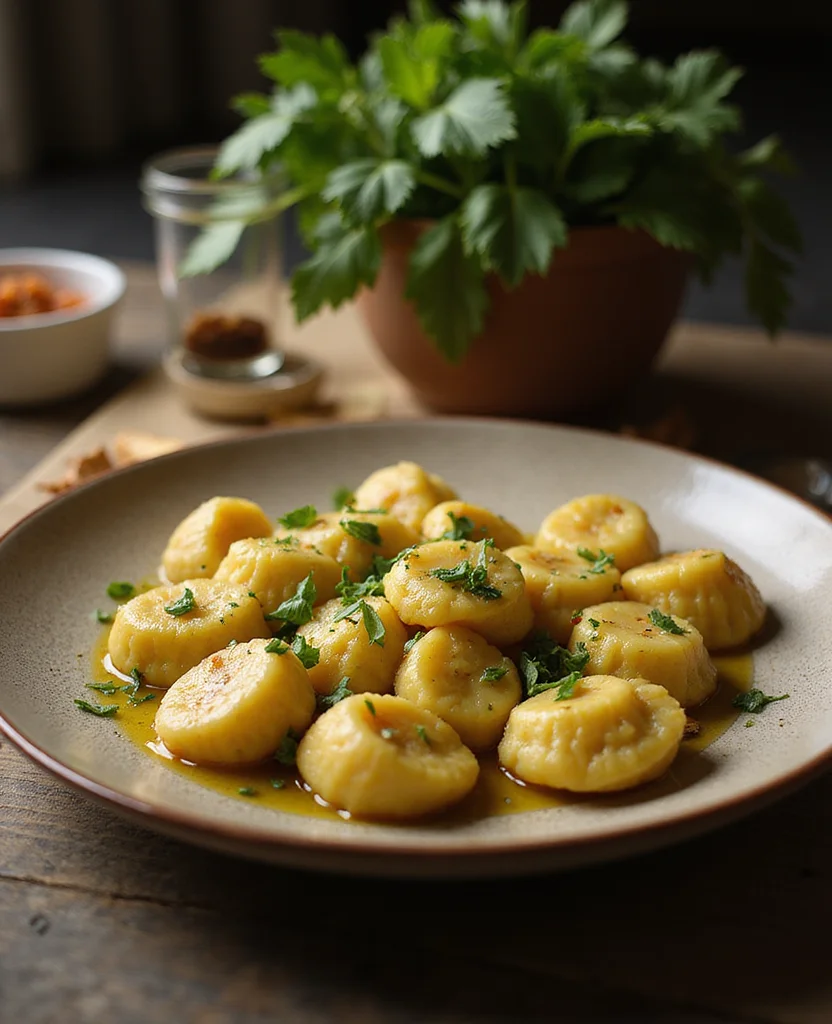
Peel and dice the potatoes into even cubes.
Boil them until tender, about 15 minutes.
Drain and let them cool slightly before ricing.
Ricing while warm ensures a smooth texture.
Step 2: Make the Dough
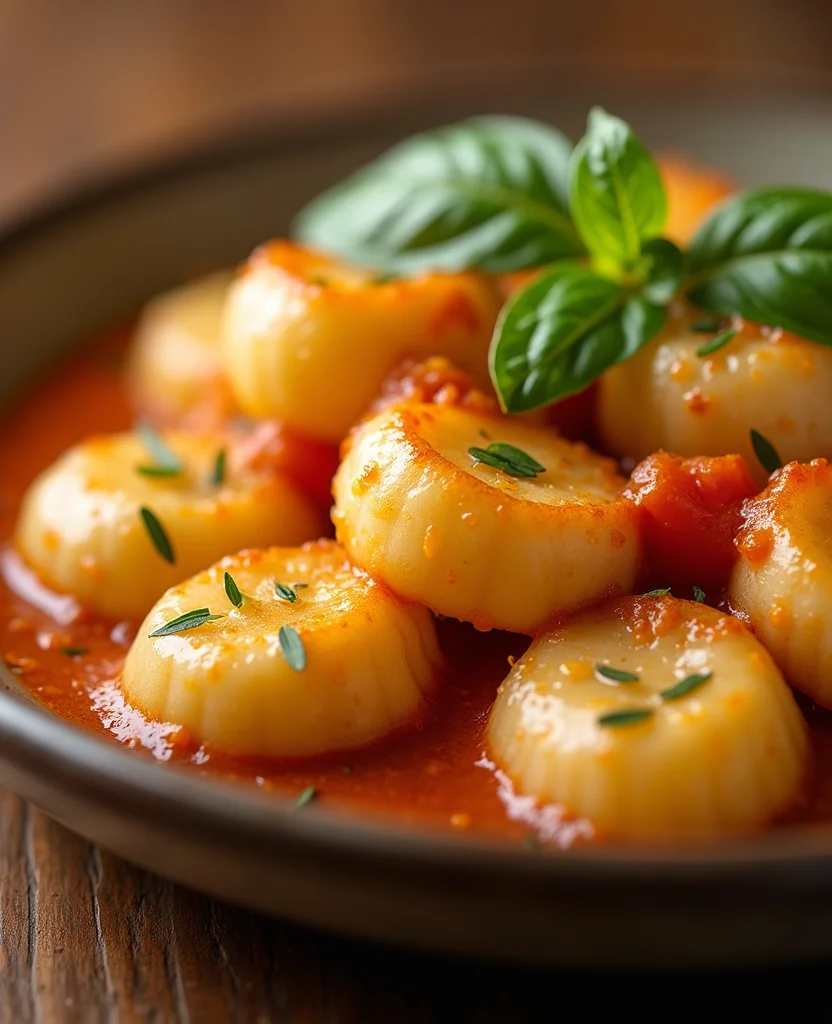
Combine riced potatoes with flour and salt in a large bowl.
Drizzle olive oil and mix until a dough forms.
Knead gently on a floured surface for 2-3 minutes.
The dough should be soft but not sticky.
Step 3: Shape the Gnocchi
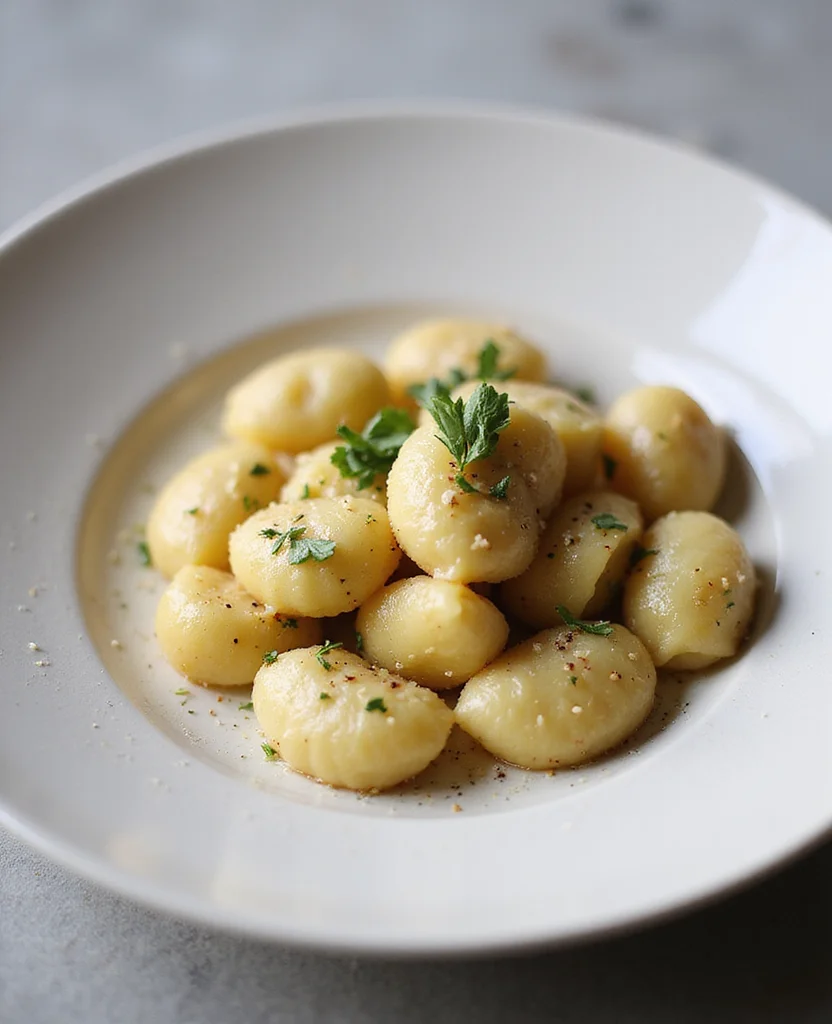
Divide the dough into four sections.
Roll each section into a long rope, about 1/2 inch thick.
Cut into 1-inch pieces using a sharp knife.
Each piece should be uniform for even cooking.
Step 4: Boil the Gnocchi
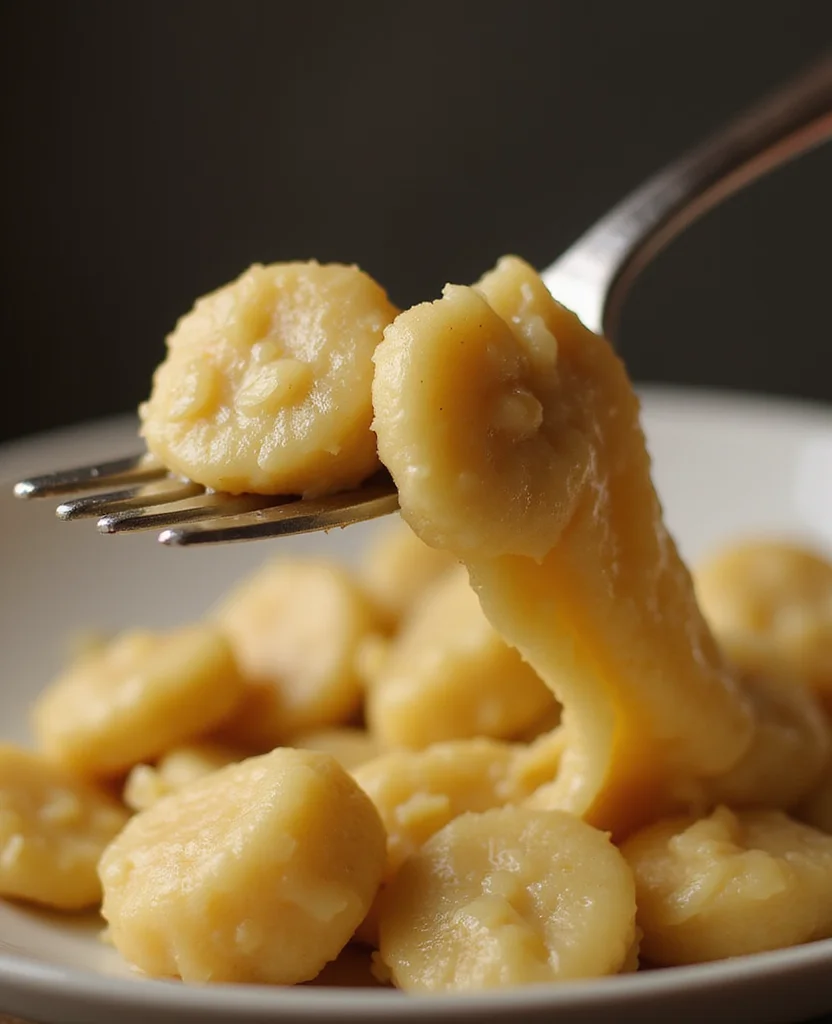
Bring a large pot of salted water to a boil.
Add the gnocchi in batches to avoid overcrowding.
Cook until they float to the surface, about 2-3 minutes.
Remove with a slotted spoon and drain well.
Step 5: Pan-Fry the Gnocchi
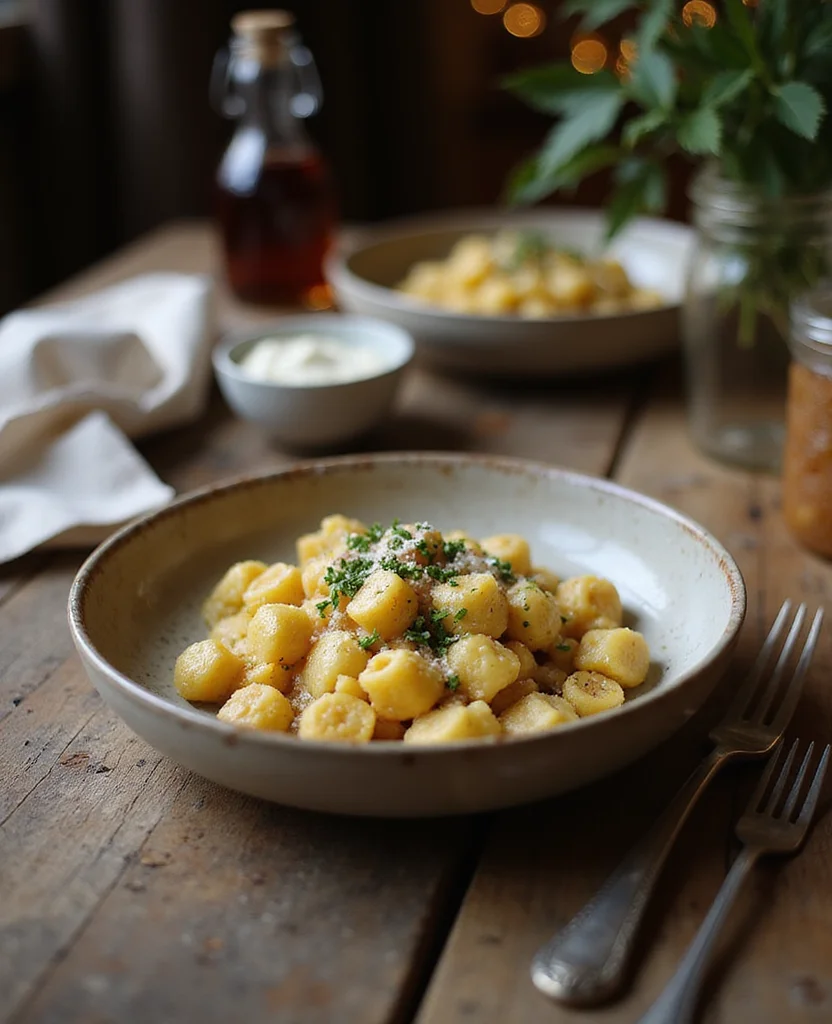
Heat olive oil in a non-stick pan over medium heat.
Add boiled gnocchi in a single layer.
Cook until golden and crisp, about 3-4 minutes per side.
Gently flip to avoid breaking.
Step 6: Season the Gnocchi
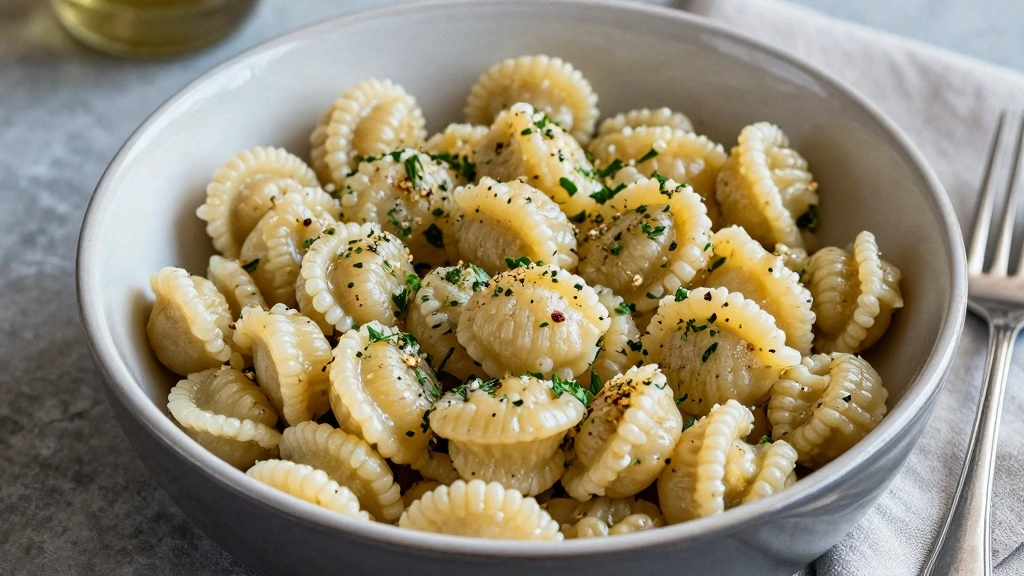
Remove gnocchi from the pan and place on a serving dish.
Sprinkle with fresh herbs for added flavor.
Season with additional salt and pepper to taste.
Toss gently to combine.
Step 7: Serve Immediately
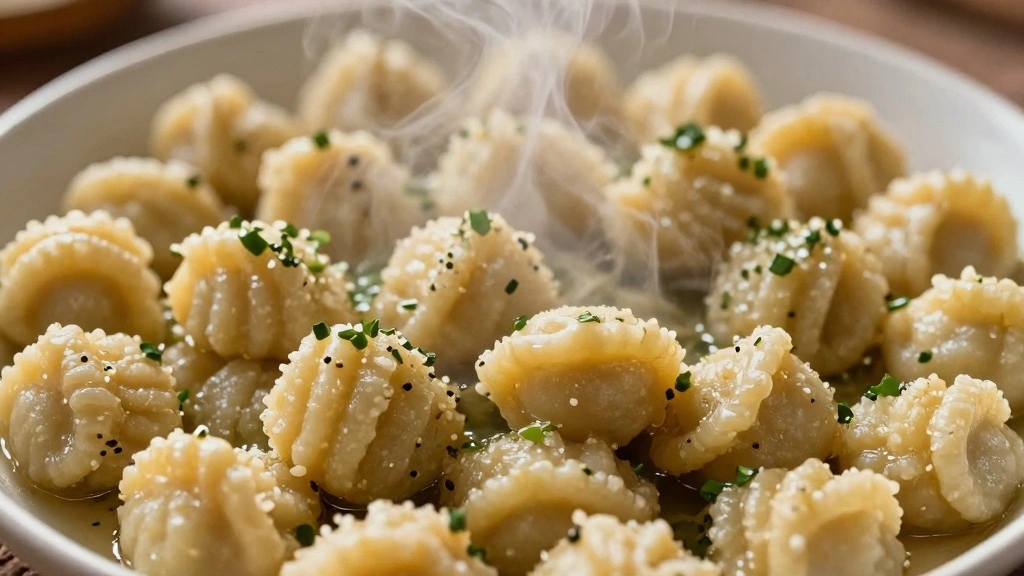
Transfer gnocchi to individual plates.
Ensure each serving includes a balanced amount.
Garnish with a final drizzle of olive oil.
Serve while hot to enjoy the best texture.
Critical Timing and Temperature Guide
Boiling: 2-3 minutes until they float; overcooking makes them mushy.
Pan-Frying: Medium heat for 3-4 minutes per side; avoid burning by adjusting temperature as needed.
Serving: Serve immediately after frying; delays can lead to soggy texture.
Pro Tips for Gnocchi Recipes Dairy
• Ingredient Selection: Choose starchy potatoes like Russets for the best texture.
• Preparation Secret: Allow potatoes to cool slightly before ricing to prevent gummy dough.
• Temperature Management: Use water at a rolling boil for boiling gnocchi.
• Texture Enhancement: A quick fry after boiling adds a delightful crispiness.
• Flavor Layering: Adding herbs during the final toss elevates the dish.
• Make-Ahead Strategies: Shape gnocchi and freeze on a baking sheet for later use.
• Restaurant-Quality Finishing Touches: A sprinkle of coarse salt before serving enhances flavor.
• Equipment Optimization: Use a potato ricer for the smoothest potato texture.
Troubleshooting Common Issues
• Texture Too Dense: Caused by overworking the dough; use a light touch and knead just until combined.
• Gnocchi Falling Apart: Possibly due to boiling too long; remove as soon as they float.
• Sticky Dough: Indicates too much moisture; add a bit more flour and knead gently.
• Uneven Cooking: Ensure gnocchi are similar in size and don't overcrowd the pan.
• Burned Exterior: Pan was too hot; lower the heat and watch closely.
• Lack of Flavor: Ensure water is well-salted and add herbs during the final toss.
Variations and Regional Differences
• Tuscan Variation: Uses spinach in the dough for added color and flavor.
• Roman Style: Incorporates semolina instead of potatoes, resulting in a firmer texture.
• Trentino-Alto Adige: Features speck and nutmeg for a unique regional twist.
• French Gnocchi: Made with pâte à choux, offering a different texture and richness.
Food Science Behind the Recipe
• Starch Gelatinization: Explains how cooking potatoes transforms their structure, crucial for forming the dough.
• Maillard Reaction: During frying, this reaction creates a golden-brown crust, enhancing flavor and texture.
• Hydration Balance: Managing moisture in the dough affects texture; too much leads to gummy gnocchi.
Frequently Asked Questions
What's the most common mistake people make when preparing gnocchi? Overworking the dough, which can make it dense.
Can I use sweet potatoes instead of regular potatoes? Yes, but it will alter the flavor and texture slightly.
How can I store leftover gnocchi? Freeze uncooked gnocchi on a baking sheet, then transfer to a bag.
Why did my gnocchi turn out gummy? Likely due to overcooking or not enough flour in the dough.
Is it necessary to pan-fry gnocchi after boiling? While not required, it adds a desirable texture contrast.
Can I make the dough in advance? Yes, but it's best to cook them fresh; refrigerate up to 24 hours.
How do I prevent my gnocchi from sticking together? Ensure they are well-floured and avoid overcrowding in the pot.
Serving and Presentation Guide
• Traditional Presentation: Serve in a shallow bowl to keep the gnocchi warm.
• Elegant Plating: Arrange gnocchi in a circle with herbs in the center.
• Family Style: Serve on a large platter with a drizzle of olive oil and herbs.
• Gourmet Touch: Add a sprinkle of freshly grated nutmeg for aroma and flavor.
Conclusion
You've now mastered the art of making fluffy, dairy-free gnocchi.
This comforting dish is sure to become a favorite at your table.
Enjoy the satisfaction of sharing a homemade meal that's both delicious and nourishing.
Give it a try and let your culinary skills shine!