
In the heart of allergy-friendly cooking, this soy and dairy-free recipe brings a breath of relief for those with dietary restrictions.
The delightful combination of fresh ingredients creates a harmonious flavor profile that is both creamy and satisfying without the need for soy or dairy.
Inspired by the rising trend of plant-based diets, this recipe caters to both allergy sufferers and those seeking healthier meal options.
Perfect for any season, this dish provides comfort and nourishment with every bite.
As you explore this recipe, expect a journey of textures and flavors that will surprise and delight your palate.
Contents
- The History and Cultural Significance
- Recipe Overview
- Nutritional Information (per serving)
- Essential Equipment Guide
- Ingredients
- Preparation Methods
- Step 1: Rinse Quinoa
- Step 2: Cook Quinoa
- Step 3: Prepare Vegetables
- Step 4: Blend the Sauce
- Step 5: Sauté Vegetables
- Step 6: Combine Quinoa and Sauce
- Step 7: Adjust Seasoning
- Step 8: Serve and Enjoy
- Critical Timing and Temperature Guide
- Pro Tips for Soy and Dairy
- Troubleshooting Common Issues
- Variations and Regional Differences
- Food Science Behind the Recipe
- Frequently Asked Questions
- Serving and Presentation Guide
The History and Cultural Significance
• Soy and Dairy-free dishes trace their origins to ancient civilizations where grains and legumes were primary food sources.
• The evolution of the dish has seen the inclusion of diverse plant-based ingredients, adapting to modern dietary needs over time.
• In many cultures, such dishes are staples during fasting periods, symbolizing purification and mindfulness.
• While variations exist globally, the authentic version maintains a balance of flavors without relying on animal-derived products.
Recipe Overview
Nutritional Information (per serving)
Essential Equipment Guide
Blender: A high-speed blender is crucial for achieving a smooth and creamy consistency without dairy. If unavailable, a food processor can be used, but the texture may be less uniform. Look for a blender with multiple speed settings and a strong motor.
Cast Iron Skillet: This tool provides even heat distribution, essential for cooking the dish evenly. Alternatives include a heavy-bottomed pan. Ensure the skillet is well-seasoned to prevent sticking.
Sharp Chef’s Knife: Precision in chopping vegetables affects the final texture and presentation. A sharp knife ensures clean cuts and efficient prep. Choose one with a comfortable handle and balanced weight.
Ingredients
For the Base
|
| Amount | Ingredient | Notes |
|---|---|---|
| 1 cup | quinoa | rinsed and drained |
| 2 cups | vegetable broth | adds depth of flavor |
For the Sauce
| Amount | Ingredient | Notes |
|---|---|---|
| 1 cup | coconut cream | provides creaminess |
| 2 tablespoons | nutritional yeast | adds cheesy flavor |
Vegetables
| Amount | Ingredient | Notes |
|---|---|---|
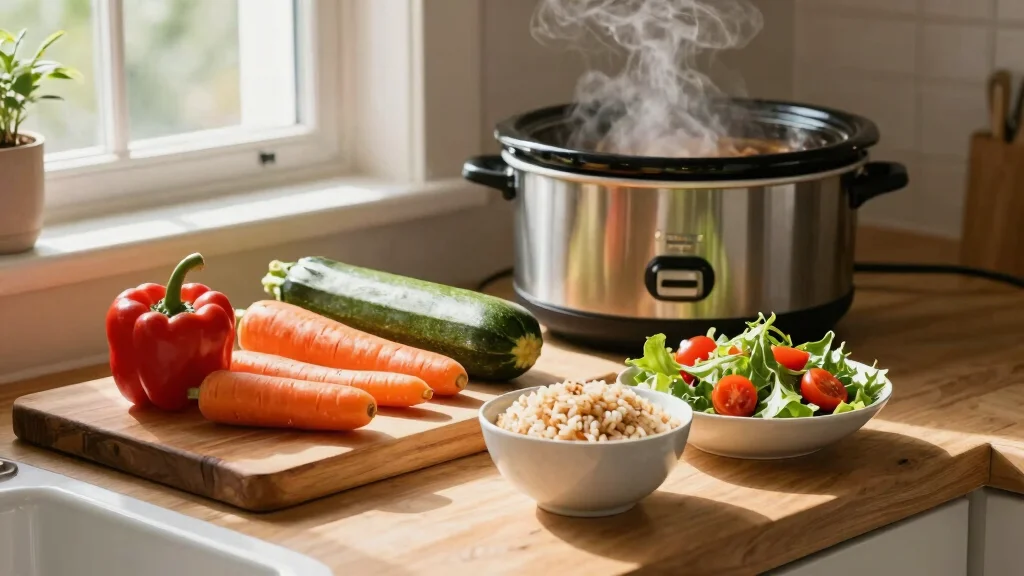
| 1 large | red bell pepper | diced, adds sweetness |
| 1 medium | zucchini | sliced, for texture |
Seasonings
| Amount | Ingredient | Notes |
|---|---|---|
| 1 teaspoon | smoked paprika | for smokiness |
| 1 teaspoon | garlic powder | enhances flavor |
| 1 pinch | salt | to taste |
Preparation Methods
Rinsing Quinoa: Rinsing quinoa before cooking removes its natural coating, called saponin, which can cause a bitter taste. Use a fine mesh strainer and rinse under cold water until the water runs clear.
Blending Without Dairy: When blending sauces without dairy, ensure all ingredients are at room temperature to achieve a smooth consistency. Gradually increase blender speed for best results.
Even Vegetable Sauté: Cooking vegetables evenly requires consistent chopping sizes. This technique ensures uniform cooking and texture, preventing some pieces from being undercooked or overcooked.
Step 1: Rinse Quinoa
Measure one cup of quinoa and place it in a fine mesh strainer.
Rinse thoroughly under cold running water.
Shake the strainer gently to remove excess water.
This step is crucial to remove any bitterness from the quinoa.
Step 2: Cook Quinoa
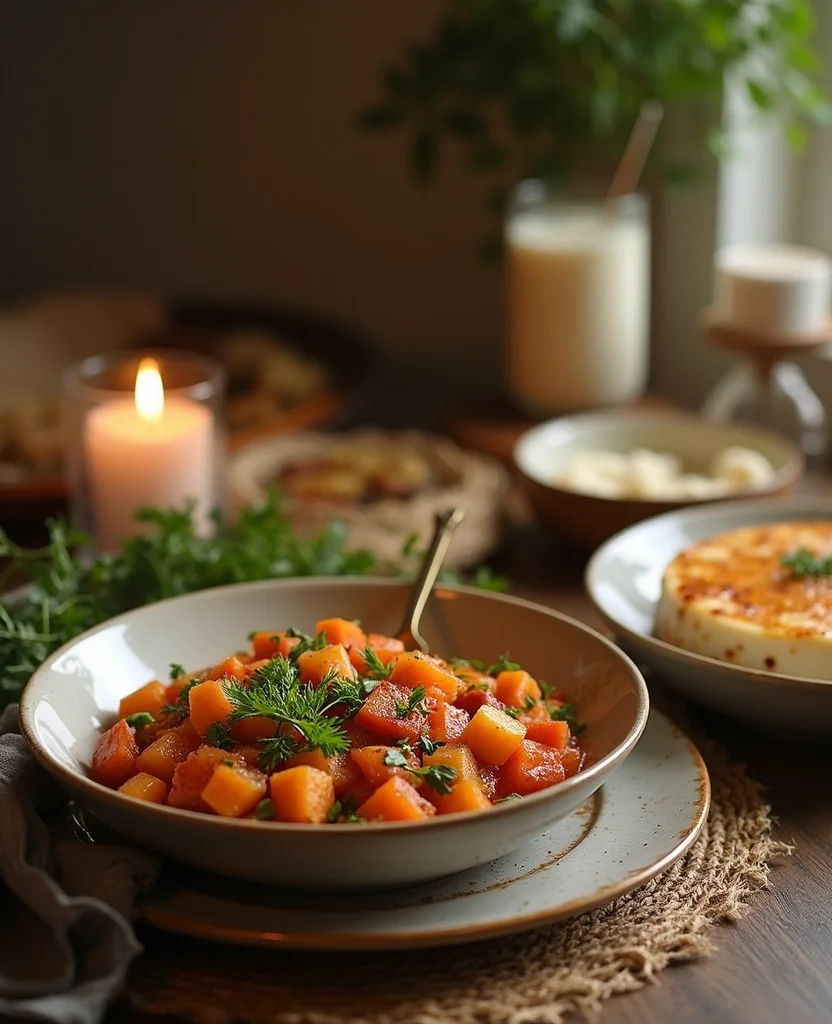
Transfer the rinsed quinoa to a pot.
Add two cups of vegetable broth and bring to a boil.
Reduce the heat to low and cover with a lid.
Simmer for 15 minutes until the liquid is absorbed and the quinoa is fluffy.
Step 3: Prepare Vegetables
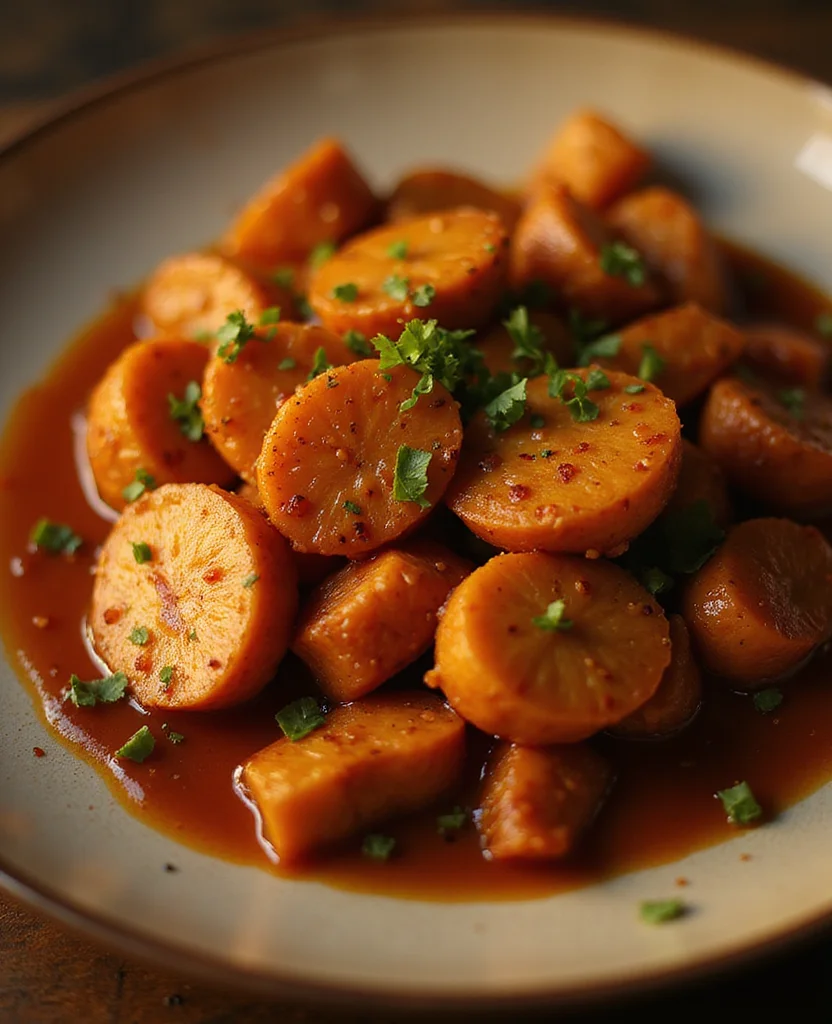
Dice the red bell pepper into small, even pieces.
Slice the zucchini into thin rounds.
Ensure all pieces are similar in size for even cooking.
Set aside the prepared vegetables.
Step 4: Blend the Sauce
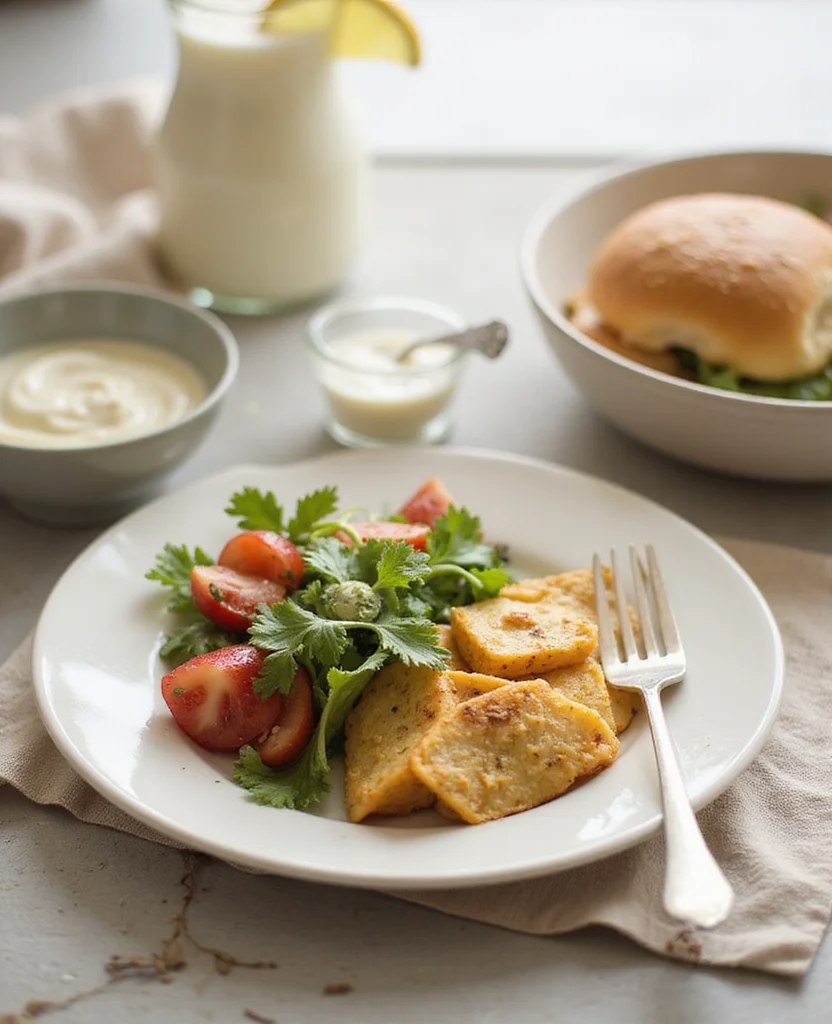
Combine coconut cream and nutritional yeast in a blender.
Add smoked paprika, garlic powder, and a pinch of salt.
Blend on high until smooth and creamy.
Taste and adjust seasoning if necessary.
Step 5: Sauté Vegetables
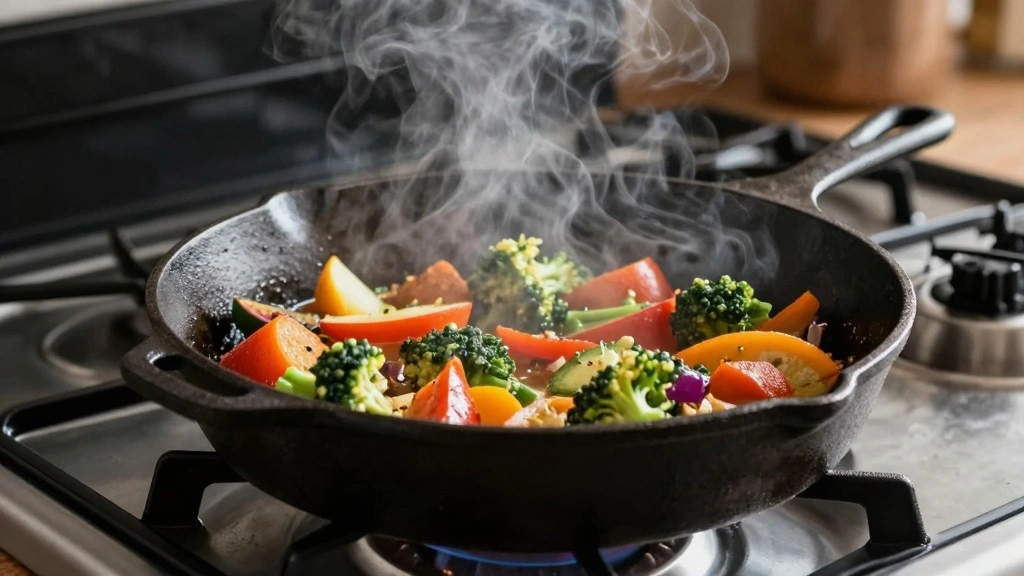
Heat a cast iron skillet over medium heat.
Add the diced red bell pepper and sliced zucchini.
Cook for 5-7 minutes until the vegetables are tender.
Stir occasionally to prevent sticking.
Step 6: Combine Quinoa and Sauce
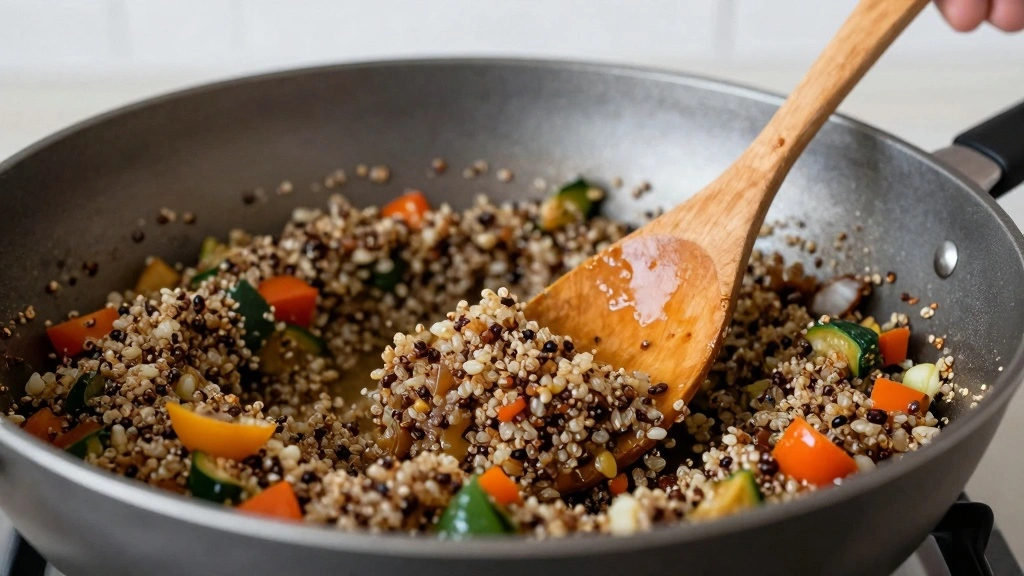
Add the cooked quinoa to the skillet with vegetables.
Pour the blended sauce over the mixture.
Stir gently to combine and coat all ingredients.
Cook for an additional 5 minutes to heat through.
Step 7: Adjust Seasoning
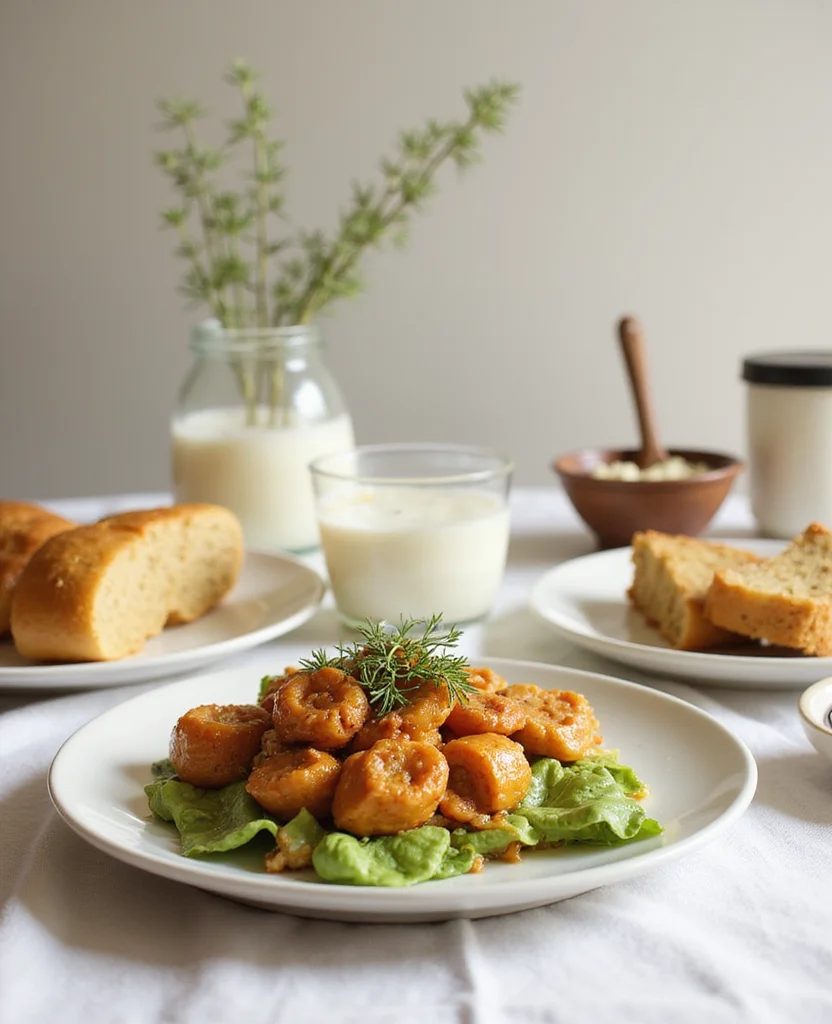
Taste the dish and adjust the seasoning as needed.
Add more salt or spices to your preference.
Ensure the flavors are balanced and harmonious.
This step enhances the final flavor profile.
Step 8: Serve and Enjoy
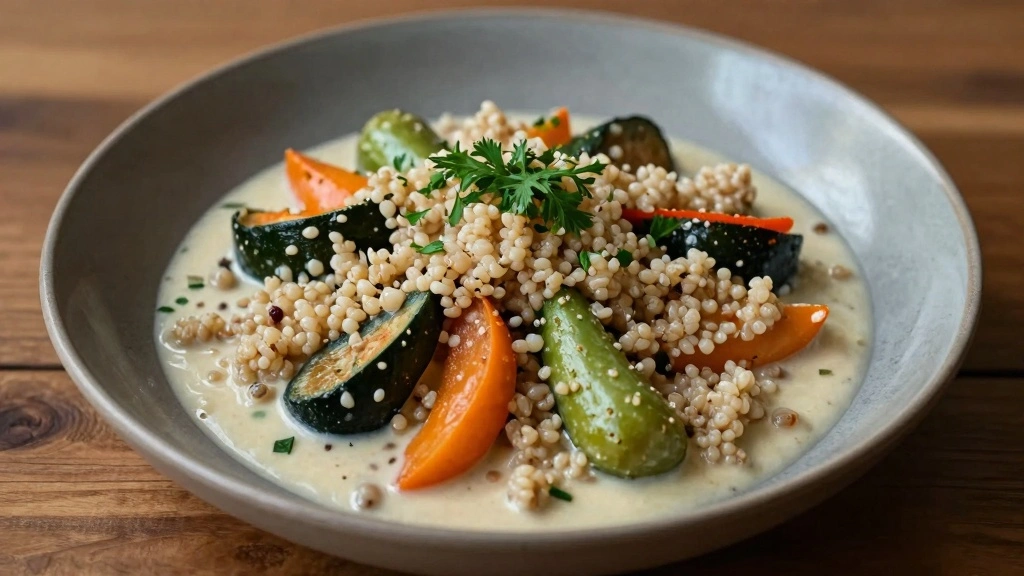
Transfer the quinoa mixture to a serving dish.
Garnish with fresh herbs like parsley or cilantro.
Serve immediately while hot.
Enjoy this allergy-friendly creation with family and friends.
Critical Timing and Temperature Guide
Cooking Quinoa: Simmer for exactly 15 minutes, ensuring the liquid is fully absorbed. Fluff with a fork to check doneness. Avoid lifting the lid too early as it releases steam.
Sautéing Vegetables: Cook vegetables over medium heat for 5-7 minutes until tender. Visual cues include softened texture and slight browning. Overcooking results in mushy vegetables.
Blending Sauce: Blend for 1-2 minutes until completely smooth. Look for a creamy consistency without lumps. Ensure all ingredients are at room temperature for best results.
Pro Tips for Soy and Dairy
• Ingredient Selection: Opt for high-quality quinoa and fresh vegetables from trusted sources for the best flavor and texture.
• Preparation Secret: Toast the quinoa in a dry pan before rinsing to enhance its nutty flavor.
• Temperature Management: Use medium heat for sautéing to prevent burning and maintain vegetable integrity.
• Texture Enhancement: Stir in a spoonful of olive oil after cooking for a silky finish.
• Flavor Layering: Add a squeeze of lemon juice at the end to brighten flavors and add complexity.
• Make-Ahead Strategies: Prepare the sauce up to two days in advance and store it in the fridge.
• Restaurant-Quality Finishing Touches: Garnish with microgreens or edible flowers for an elegant finish.
• Equipment Optimization: Ensure the skillet is preheated for even cooking and to prevent sticking.
Troubleshooting Common Issues
• Quinoa Too Mushy: Caused by overcooking or too much liquid. Use the correct water ratio and cook time. If mushy, spread on a baking sheet to dry.
• Sauce Too Thick: If the sauce is too thick, add a splash of vegetable broth to thin it out. Blend again until desired consistency is reached.
• Vegetables Undercooked: Ensure even chopping and consistent heat. If undercooked, cover the skillet briefly to steam and soften veggies.
• Flavors Unbalanced: Adjust seasoning by adding more salt, spices, or acid (lemon juice) to taste. Tasting as you go prevents imbalance.
• Texture Too Dense: Over-stirring can compact the mixture. Fluff the quinoa and gently fold in the sauce to maintain lightness.
Variations and Regional Differences
• Asian-Inspired Variation: Incorporate ginger, garlic, and sesame oil for an aromatic twist. Replace quinoa with rice noodles for a different texture.
• Mediterranean Style: Add olives, sun-dried tomatoes, and oregano to infuse Mediterranean flavors. Serve with a side of hummus.
• Mexican Fusion: Use black beans, corn, and chili powder for a Mexican flair. Top with avocado slices for creaminess.
• Indian-Inspired Version: Infuse the dish with curry powder, turmeric, and peas for a vibrant Indian flavor profile.
Food Science Behind the Recipe
• Protein Completeness: Quinoa is a complete protein, containing all nine essential amino acids, making it an excellent plant-based protein source.
• Emulsification of Sauce: The blending of coconut cream with nutritional yeast creates a stable emulsion, mimicking the creaminess of dairy-based sauces.
• Maillard Reaction: Sautéing vegetables at the right temperature facilitates the Maillard reaction, enhancing flavors through browning.
Frequently Asked Questions
What's the most common mistake people make when preparing soy and dairy-free recipes? The most common mistake is not adjusting seasonings properly, leading to bland dishes. Tasting as you go ensures balanced flavors.
Can I use a different grain instead of quinoa? Yes, you can use grains like millet, bulgur, or couscous, but adjust cooking times accordingly.
How do I store leftovers? Store leftovers in an airtight container in the refrigerator for up to three days. Reheat gently over low heat.
Is there a substitute for coconut cream? Cashew cream or almond milk can be used as a substitute, though the flavor and texture may vary slightly.
How can I make the dish spicier? Add a pinch of cayenne pepper or red chili flakes to the sauce for a spicy kick.
What can I serve alongside this dish? Pair with a fresh green salad or roasted vegetables for a complete meal.
Can I make this dish nut-free? Yes, ensure all ingredients are nut-free, and substitute coconut cream with a suitable nut-free alternative.
Serving and Presentation Guide
• Traditional Presentation: Serve in a wide, shallow bowl, garnished with fresh herbs and a lemon wedge on the side.
• Family-Style Serving: Present in a large serving dish at the center of the table, allowing guests to help themselves.
• Individual Portions: Use small ramekins or bowls for personal servings, topped with a sprinkle of smoked paprika.
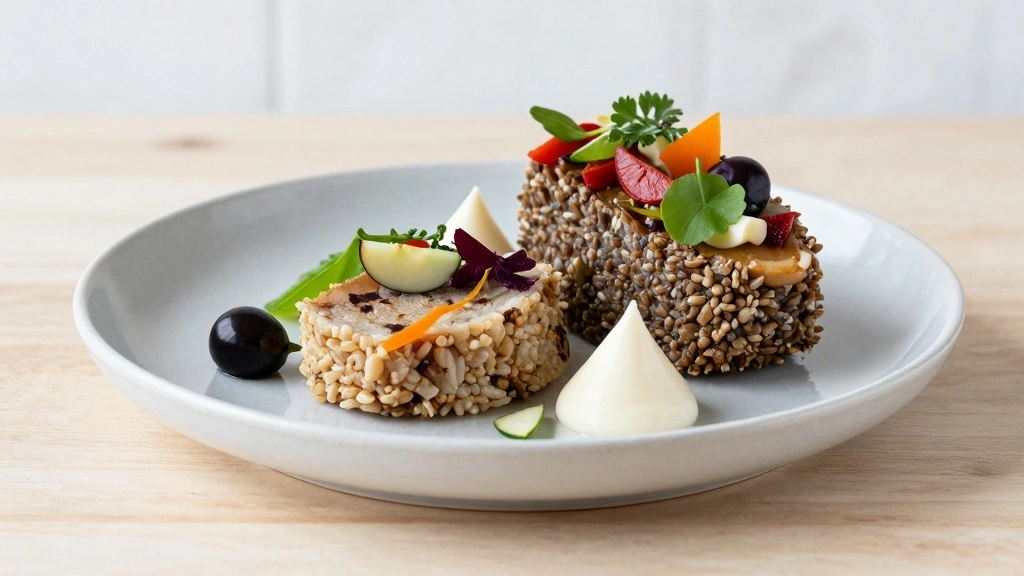
• Gourmet Plating: Use a ring mold to shape the quinoa mixture into neat rounds on each plate, garnished with microgreens.
Conclusion
Embark on a culinary adventure with this soy and dairy-free recipe that promises both flavor and satisfaction.
With its allergy-friendly ingredients and delightful taste, it's a dish that's sure to please everyone at the table.
We hope you enjoy bringing this recipe to life and share it with loved ones for a memorable dining experience.