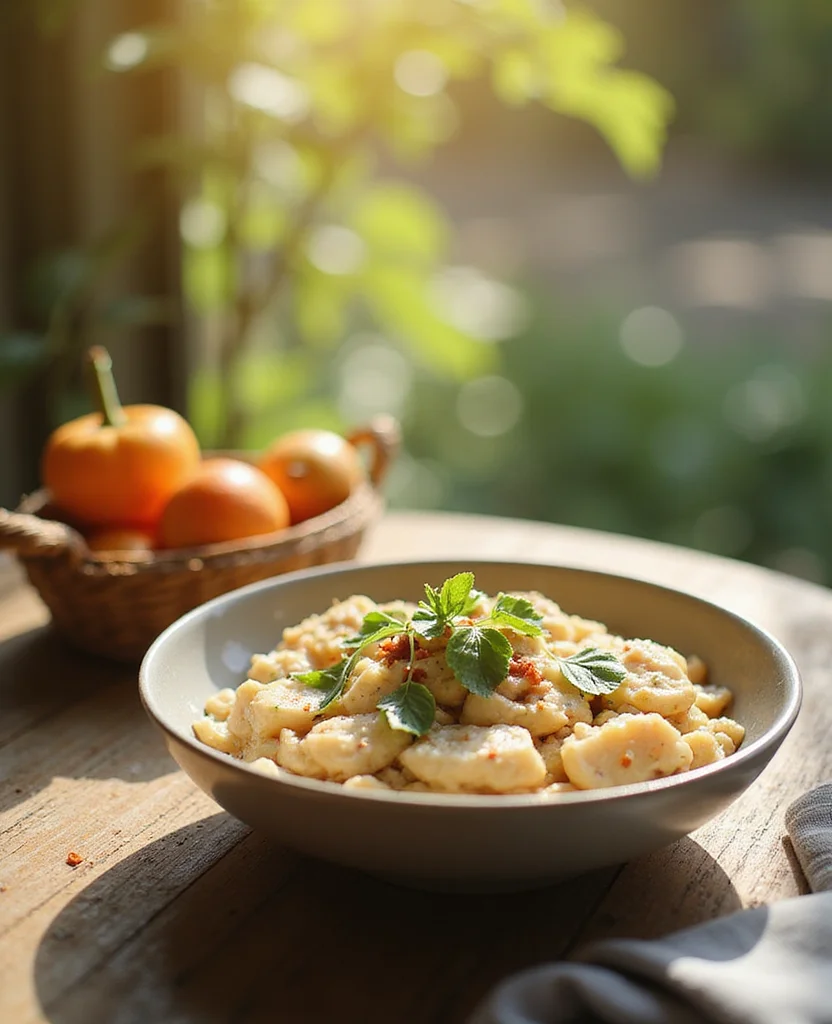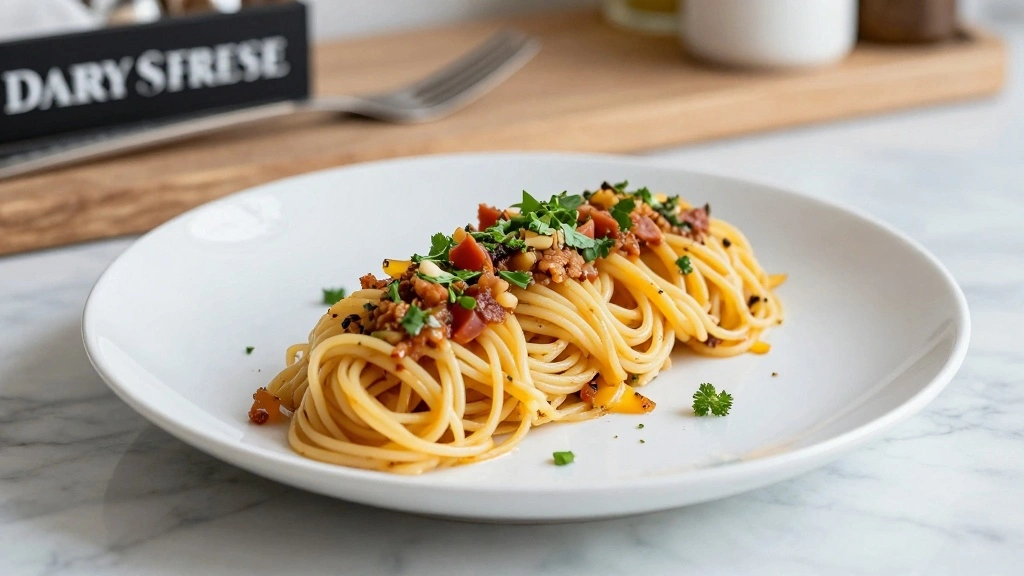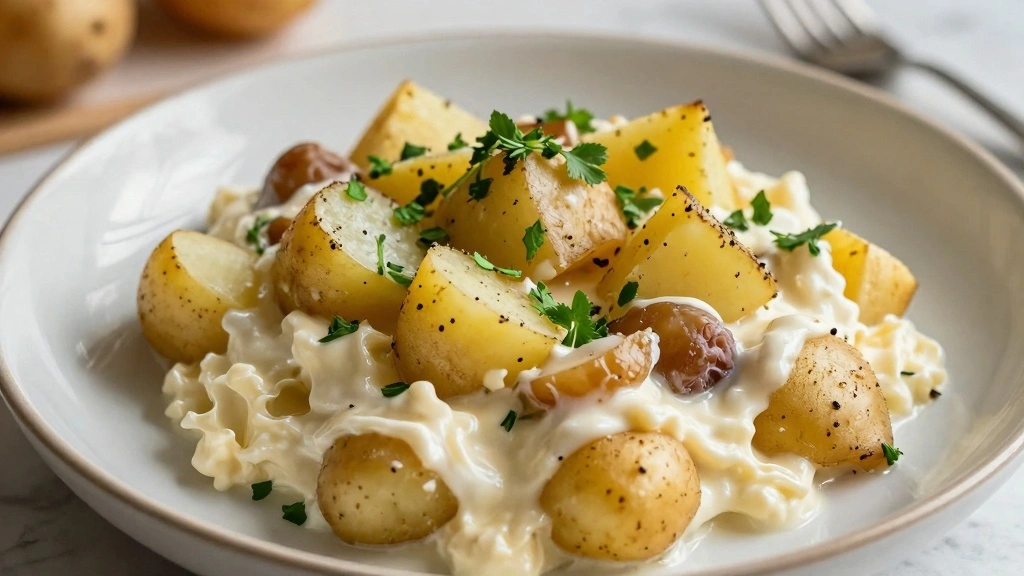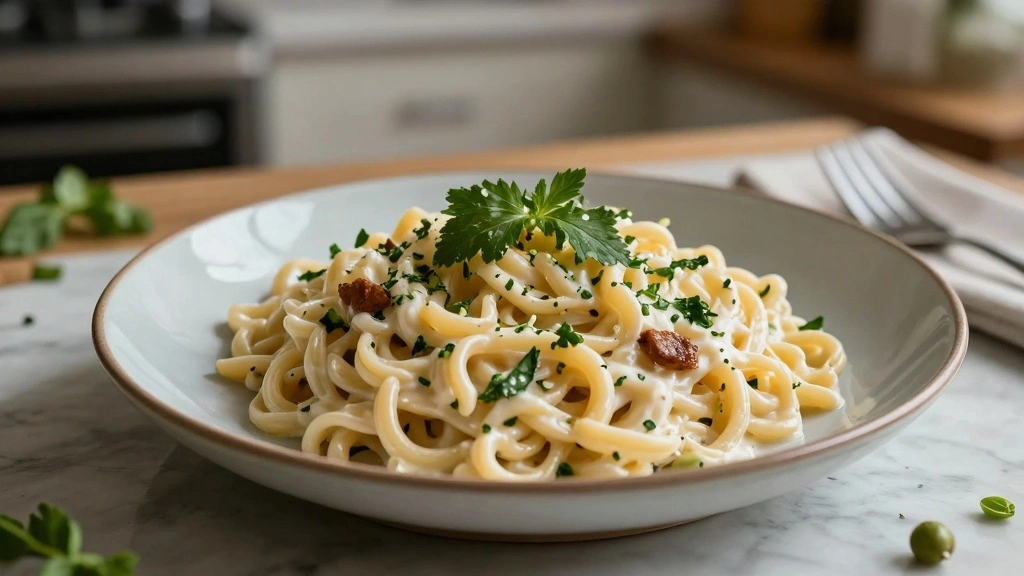

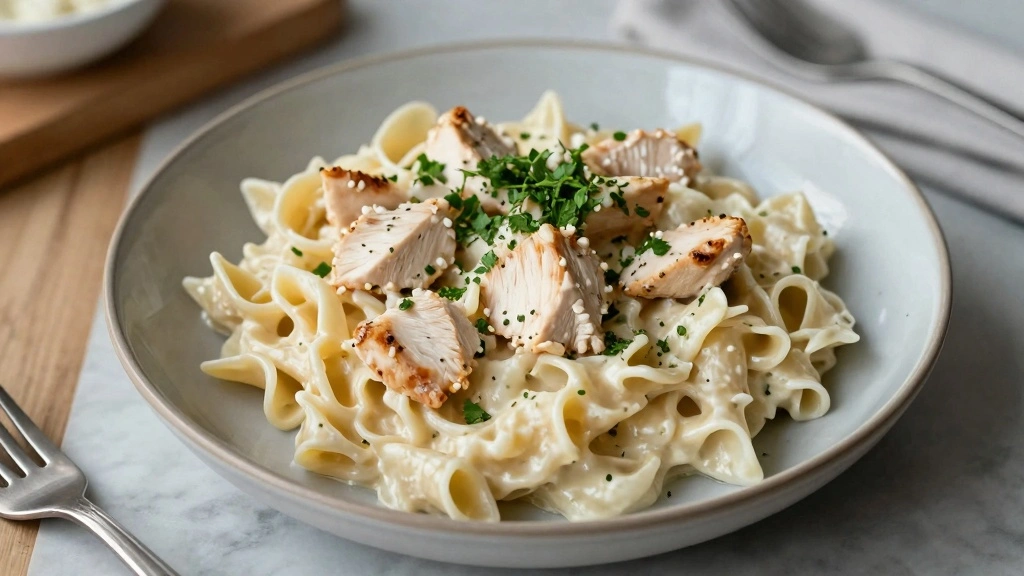
This creamy, dairy-free chicken pasta recipe is a modern twist on the classic Alfredo that delights the palate without the use of traditional dairy ingredients.
The rich and savory flavors of this dish are perfect for those seeking a comforting meal without compromising on taste.
I discovered this recipe while exploring plant-based cuisine, and it quickly became a household favorite.
Whether you’re lactose intolerant or simply looking to reduce dairy in your diet, this pasta offers a delicious alternative.
Prepare to impress your family with a dish that’s as creamy and satisfying as its dairy-rich counterpart.
Contents
- The History and Cultural Significance
- Recipe Overview
- Nutritional Information (per serving)
- Essential Equipment Guide
- Ingredients
- Preparation Methods
- Step 1: Soak Cashews
- Step 2: Prepare the Sauce
- Step 3: Cook the Pasta
- Step 4: Blanch Broccoli
- Step 5: Sauté Mushrooms
- Step 6: Cook Chicken
- Step 7: Combine Ingredients
- Step 8: Serve
- Critical Timing and Temperature Guide
- Pro Tips for Dairy Free Chicken
- Troubleshooting Common Issues
- Variations and Regional Differences
- Food Science Behind the Recipe
- Frequently Asked Questions
- Serving and Presentation Guide
Recommended Products

Our creamy alfredo sauces let you enjoy classic Italian recipes without dairy ingredients.
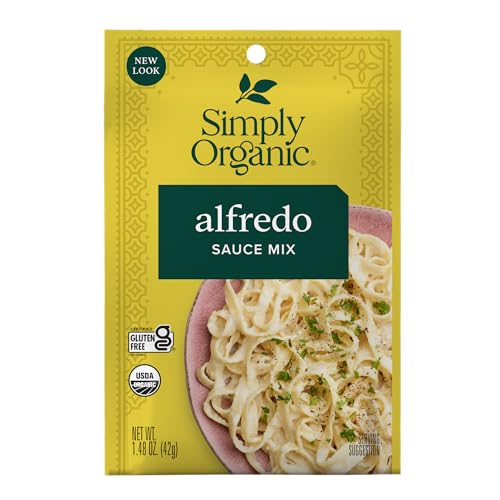
Simply Organic Alfredo Sauce Mix, Certified Organic, Kosher, Mixes Italian

VELVETY SMOOTH DAIRY FREE CHEESE SAUCE - No powdery mac and cheese mix here. The convenient squeeze pouch lets you easily dish out the thick and creamy sauce. Just heat and eat!
The History and Cultural Significance
• Dairy Free Chicken traces its origins to the health-conscious movements of the late 20th century, where it was originally created by innovative chefs seeking plant-based alternatives.
• The dish evolved over decades as nut-based creams and non-dairy milks gained popularity, eventually becoming the beloved version we know today.
• In many Western cultures, this dish traditionally appears at family gatherings, symbolizing inclusivity and health-conscious living.
• While many variations exist across different regions, the authentic version maintains a creamy texture and savory flavor that sets it apart from imitations.
Recommended Products

Real Naturals gluten free ramen noodles 6 pack increadible delicious "chicken" ramen

High-Quality Ingredients: Crafted from chicken raised without antibiotics, seasoned with sea salt, cracked black pepper, garlic, and natural spices for a clean, savory taste.

VEGAN MAC - We've taken our award-winning brown rice pasta and combined it with creamy, dairy free goodness to create the ultimate Vegan Mac!
Recipe Overview
Recommended Products

One 64-fluid-ounce carton of Original Unsweetened Almond Milk

Made with the goodness of real Blue Diamond almonds
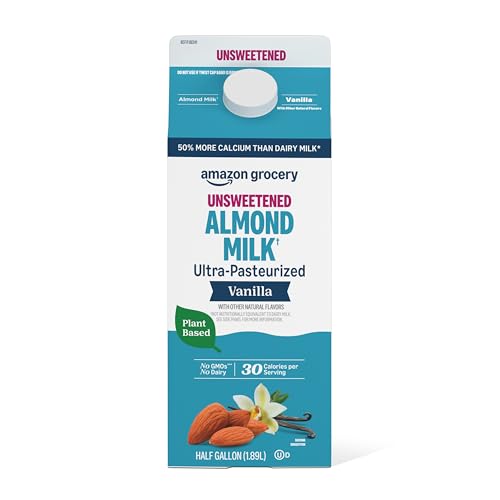
One half gallon of Vanilla Unsweetened Almond Milk
Nutritional Information (per serving)
Recommended Products

Large Flakes with Delicious, Nutty Flavor: Satisfyingly large nutritional yeast flakes—not a finely milled powder—with a savory, roasted and cheesy taste. Perfect for popcorn, pasta, vegetables, dressings, sauces and vegan mac and cheese.

SUPER FOOD: NOW pleasant-tasting Nutritional Yeast Flakes are produced from a specially selected strain of Saccharomyces cerevisiae. Take 2 level tablespoons daily mixed in milk, fruit juice, or vegetable juice. It can also be used in vegetarian recipes or added to protein shakes to boost nutritional content.

Delicious, Nutty Flavor for Everyday Use: Enhances meals with a savory, roasted taste that works great in vegan mac and cheese, dressings, popcorn, and more—no dairy needed.
Essential Equipment Guide
Blender: A high-speed blender is crucial for achieving a smooth and creamy sauce, blending nut-based ingredients into a fine consistency. Alternatives like a food processor may work, but look for a unit with a powerful motor.
Large Saucepan: A large saucepan allows for even cooking of the sauce and pasta, preventing sticking or burning. Non-stick options are ideal for this recipe.
Pasta Pot: A dedicated pasta pot with a strainer lid simplifies the process of cooking and draining pasta, ensuring it retains the perfect texture.
Recommended Products
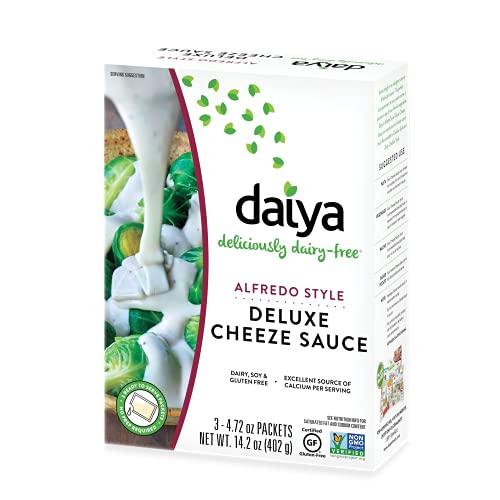
DELICIOUS NON-DAIRY ALFREDO SAUCE: Dairy-free shouldn't mean flavor-free. This creamy Daiya Alfredo Style Sauce is loaded with savory seasonings & lusciously cheesy flavor

SPICY NON-DAIRY CHEESE SAUCE: Dairy-free shouldn't mean flavor-free. This creamy Daiya Zesty Cheddar Sauce is loaded with spicy seasonings & lusciously cheesy flavor.
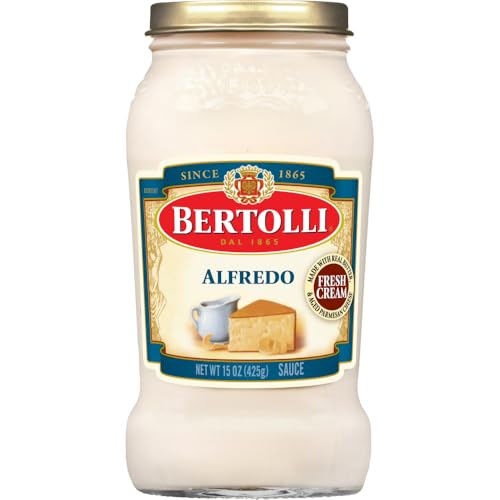
One 15 OZ jar of Bertolli Alfredo with Aged Parmesan Cheese Pasta Sauce
Ingredients
Recommended Products

Barilla Chickpea Pasta is made with just one simple ingredient, chickpea flour, and is a great source of plant based protein and dietary fiber—no gums or other additives
![Danielle Walker's Healthy in a Hurry: Real Life. Real Food. Real Fast. [A Gluten-Free, Grain-Free & Dairy-Free Cookbook]](https://m.media-amazon.com/images/I/51qBYX8qi1L._SL500_.jpg)

One-Pot Italian Delight: Enjoy a quick and easy gluten-free lasagna meal kit made with premium fusilli pasta imported from Italy.
For the Sauce
|
| Amount | Ingredient | Notes |
|---|---|---|
| 1 cup | cashews | soaked overnight, adds creaminess |
| 2 cups | unsweetened almond milk | creates a smooth base |
| 3 cloves | garlic | minced, enhances flavor |
| 1 tablespoon | nutritional yeast | adds cheesy flavor |
| 1 teaspoon | salt | enhances flavor |
For the Chicken
| Amount | Ingredient | Notes |
|---|---|---|
| 2 pieces | chicken breast | sliced thinly |
| 1 tablespoon | olive oil | for cooking |
| 1 teaspoon | salt | for seasoning |
| 1 teaspoon | black pepper | for seasoning |
Pasta
| Amount | Ingredient | Notes |
|---|---|---|
| 8 ounces | gluten-free pasta | cooked, adds substance |
Vegetables
| Amount | Ingredient | Notes |
|---|---|---|
| 1 cup | broccoli florets | blanched, adds nutrition |
| 1 cup | mushrooms | sliced, adds umami |
Preparation Methods
Soaking Cashews: Soaking cashews overnight softens them, making them easier to blend into a creamy sauce. This step is crucial for achieving a smooth texture, so don't skip it.
Blanching Vegetables: Blanching involves briefly boiling vegetables and then plunging them into ice water. This technique preserves color and texture, making the broccoli vibrant and crisp.
Pan Searing Chicken: Searing chicken in a hot pan locks in juices and adds a flavorful crust. Ensure the pan is hot enough before adding the chicken to prevent sticking.
Recommended Products

NO OILS, NO GUMS: Califia Organic Almondmilk is made with just three simple ingredients without the need for oils or gums. Just shake it up and enjoy!

Made with the goodness of real Blue Diamond almonds

MORE CALCIUM THAN DAIRY: Delivers 50% more calcium per serving than whole milk, plus it has Vitamin D for strong bones (*1 cup of regular milk contains 300mg of calcium vs 1 cup of Almond Breeze contains 450mg of calcium.)
Step 1: Soak Cashews
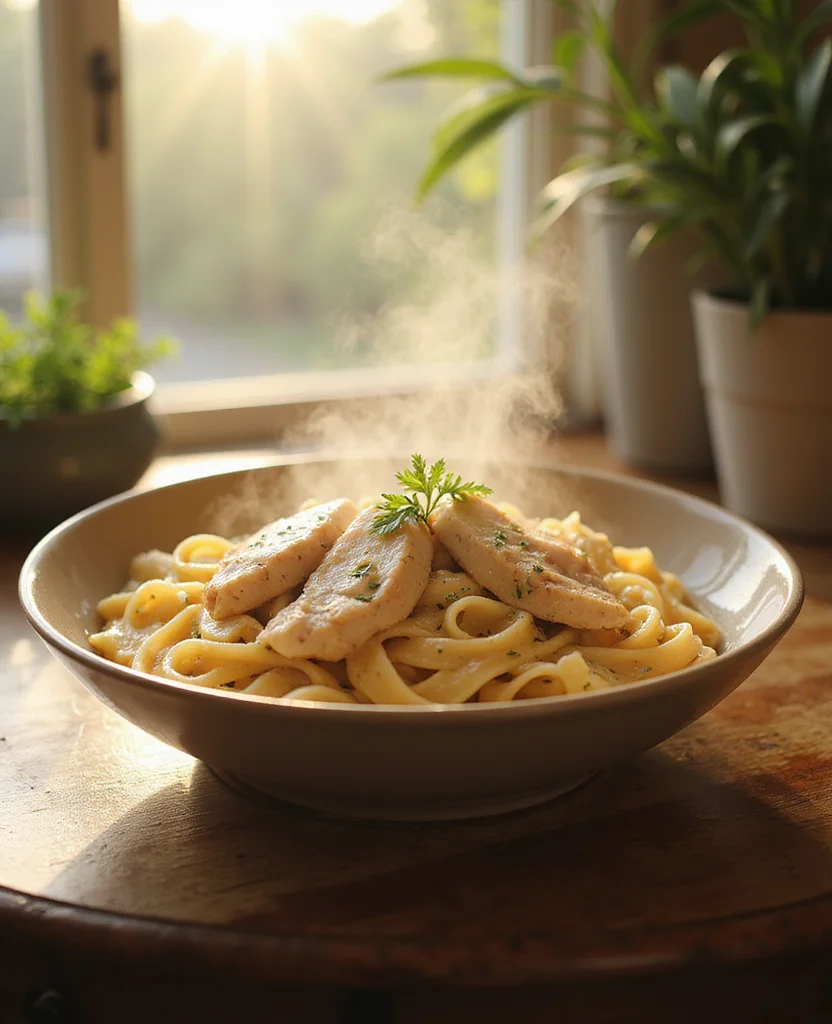
Place cashews in a bowl and cover with water.
Allow them to soak overnight or for at least 8 hours.
This softens the nuts, ensuring a smooth sauce.
Drain and rinse cashews before using.
Recommended Products

VITAMIN B12 PLANT BASED: Fortified nutritional yeast organic flakes brings B12 to plant-based diets with a savory, cheese-like taste. Sprinkle on pasta, bowls, snacks, veggies for easy daily flavor without dairy. Great for vegetarians and families.

SUPERFOOD: NOW pleasant-tasting Nutritional Yeast Powder is produced from a specially selected strain of Saccharomyces cerevisiae. Take 1 level tablespoon daily mixed in milk, fruit juice, or vegetable juice

Micro Ingredients offers USDA organic certified nutritional yeast flakes, nutrient dense fortified form, cheesy flavored dairy free cheese replacement, contains complete plant-based protein, friendly with most diets.
Step 2: Prepare the Sauce
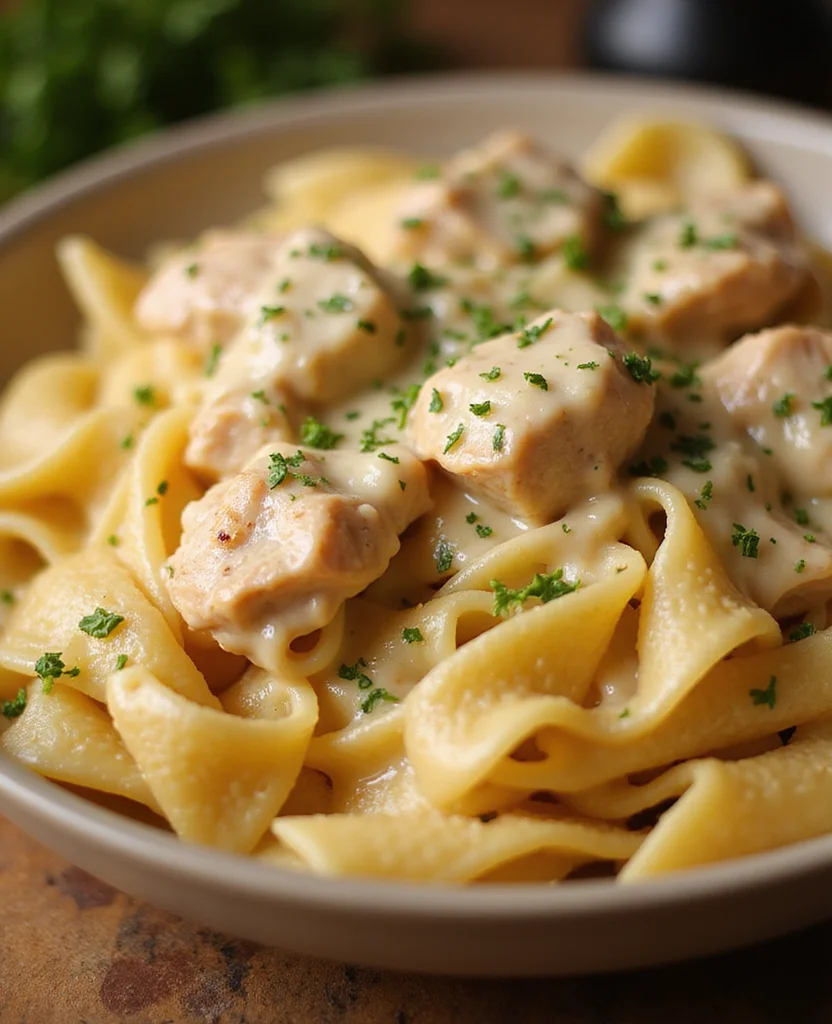
Add soaked cashews, almond milk, garlic, nutritional yeast, and salt to a blender.
Blend on high speed until smooth and creamy.
Taste the sauce and adjust seasoning if necessary.
Set aside the sauce for later use.
Recommended Products

Knorr Alfredo Sauce Mix has a velvety blend of cheeses that complements pasta, chicken, fish, and veal dishes perfectly

GARLIC ALFREDO SAUCE: 15 oz jar of Bertolli Garlic Alfredo Pasta Sauce with parmesan, cream, butter, and savory garlic

POWDERED ALFREDO SAUCE MIX: Whisk ⅓ cup into 1 cup hot water for rich, creamy fettuccine alfredo in about 3 minutes. No cream to buy, no jar to finish, no refrigeration.
Step 3: Cook the Pasta
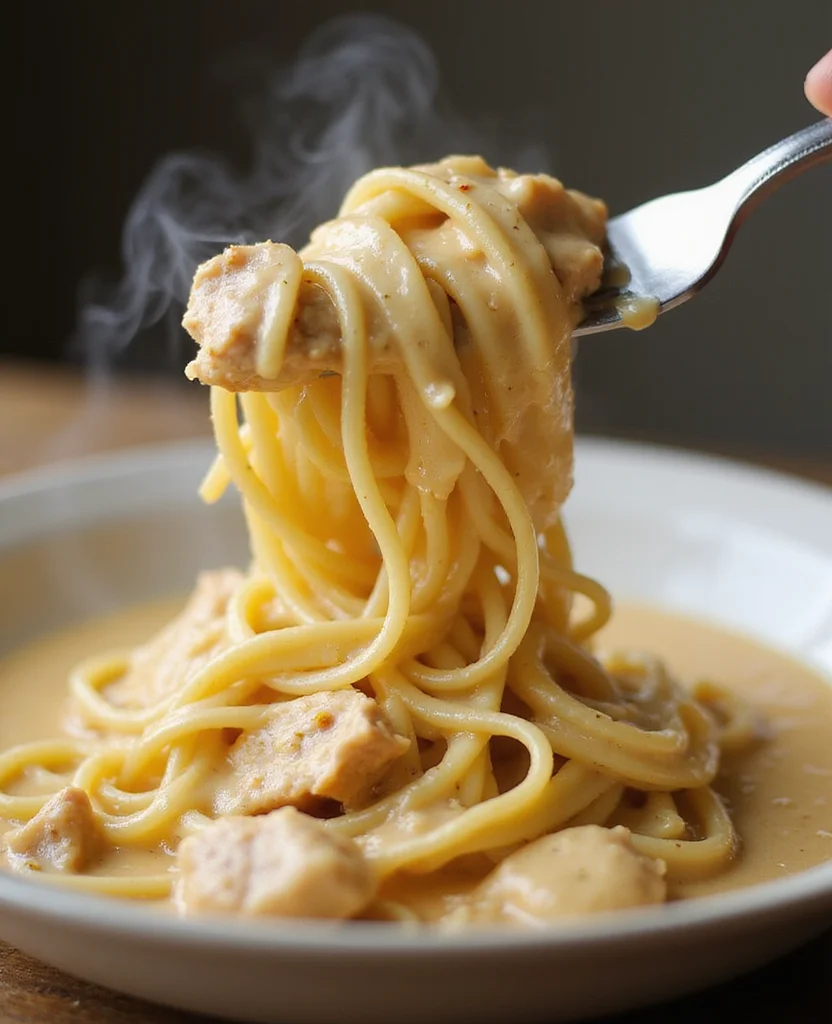
Bring a large pot of salted water to a boil.
Add gluten-free pasta and cook according to package instructions.
Stir occasionally to prevent sticking.
Drain pasta and set aside.
Recommended Products


Certified Organic Ingredients: Crafted with organic chicken, spinach, red bell peppers, and caramelized onions, ensuring a wholesome and flavorful experience.

Bold Caesar Flavor: Tangy, savory, and umami-rich seasoning for dressings, dips, and everyday dishes.
Step 4: Blanch Broccoli
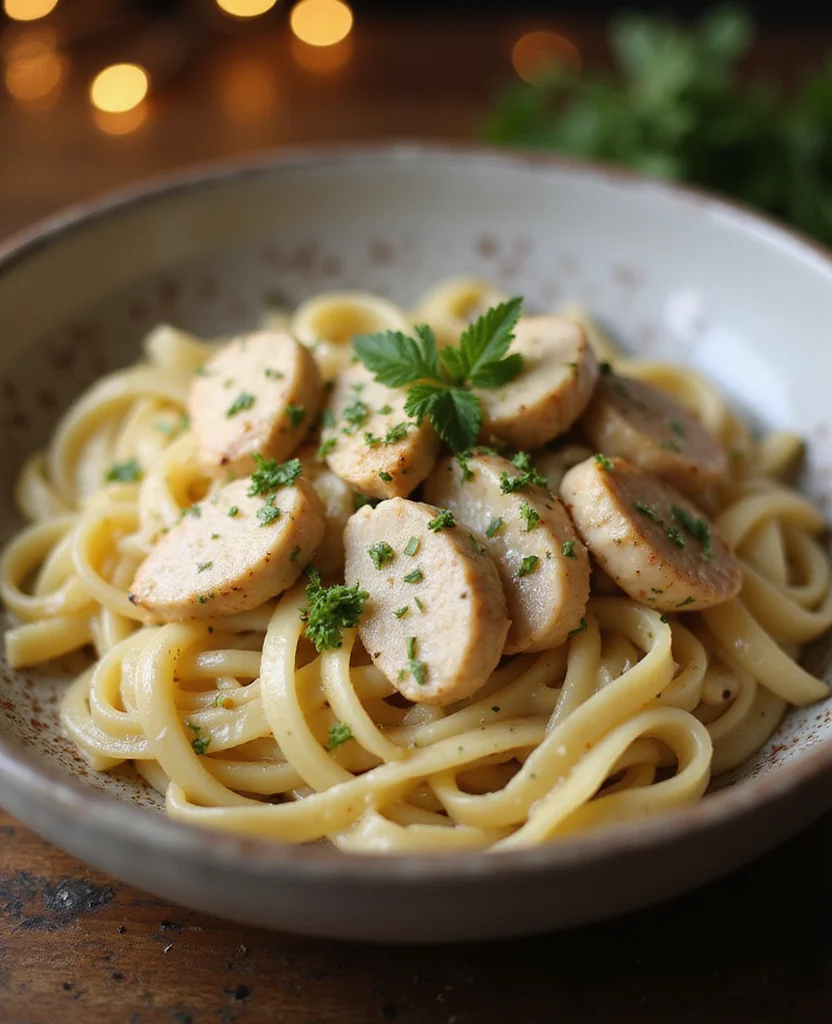
Bring a small pot of water to a boil.
Add broccoli florets and cook for 2-3 minutes.
Immediately transfer to ice water to stop cooking.
Drain and set aside.
Step 5: Sauté Mushrooms
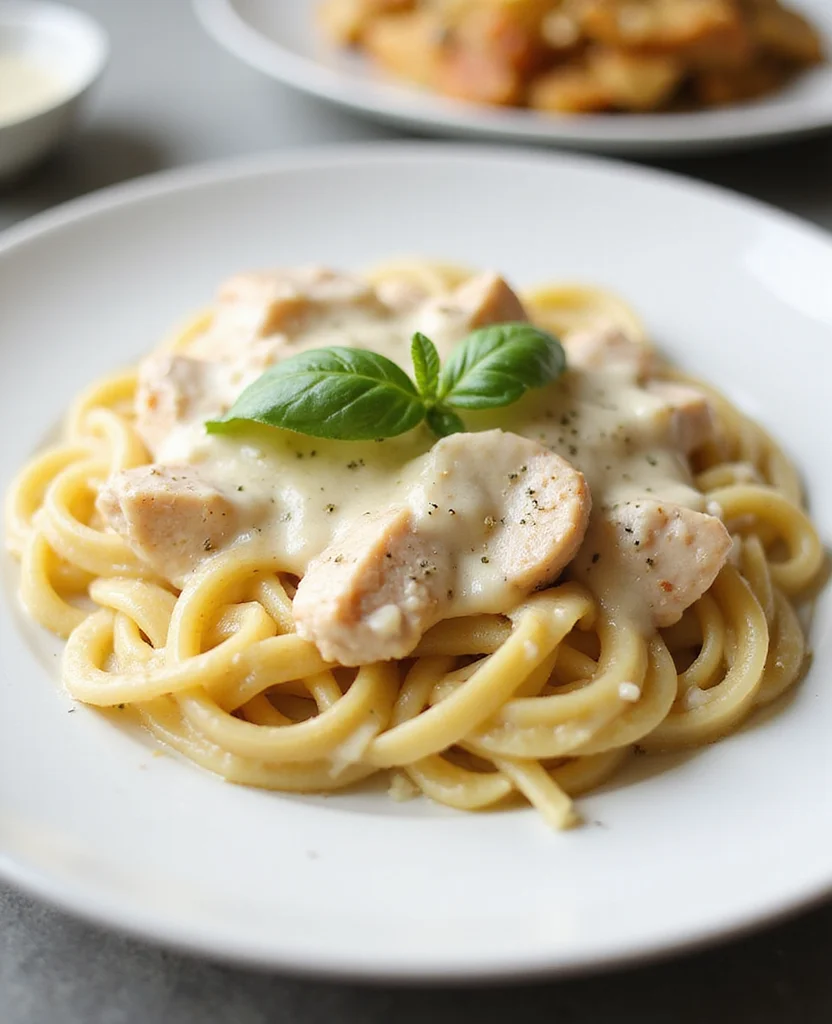
Heat a large saucepan over medium heat and add olive oil.
Add sliced mushrooms and sauté until golden brown.
Stir occasionally to ensure even cooking.
Remove mushrooms from the pan and set aside.
Step 6: Cook Chicken
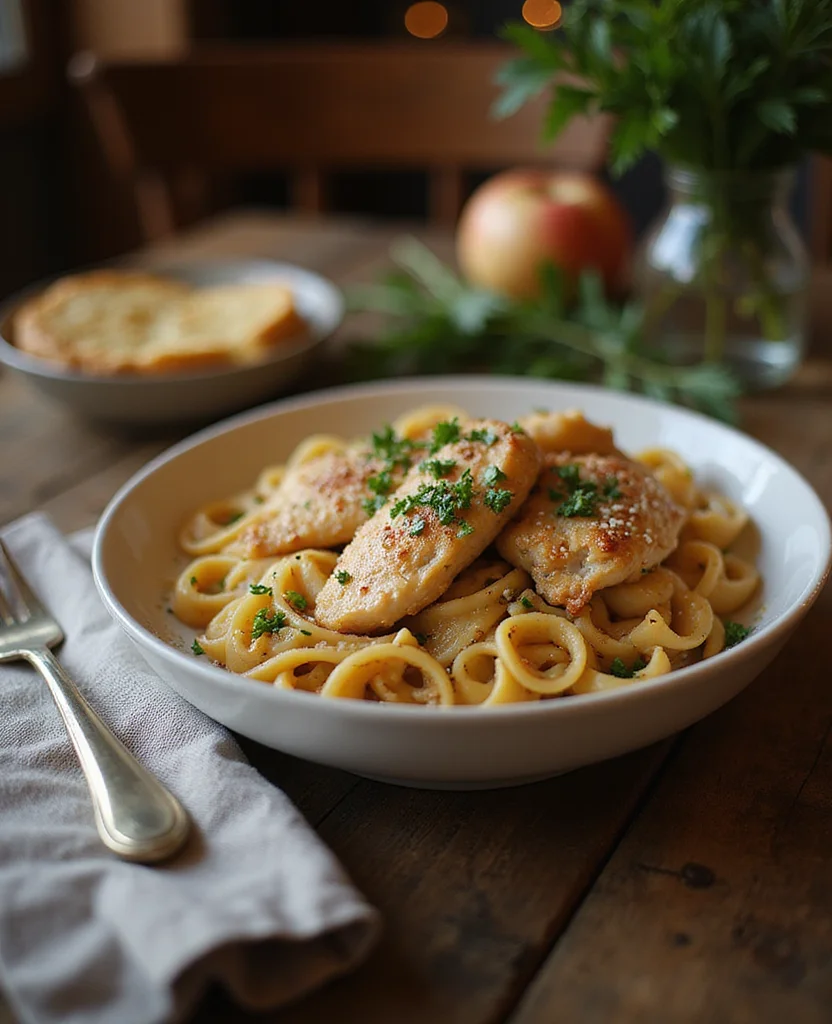
Season chicken slices with salt and pepper.
In the same saucepan, add more olive oil if needed.
Cook chicken over medium-high heat until browned and cooked through.
Remove chicken from pan and set aside.
Step 7: Combine Ingredients
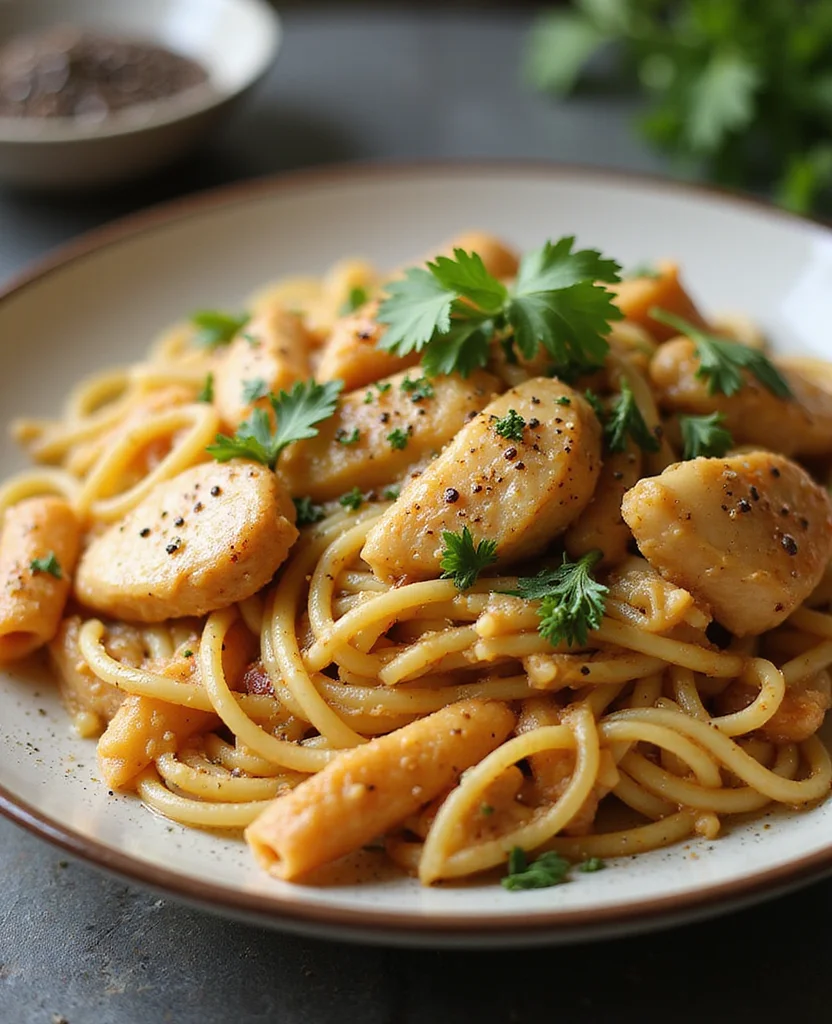
Reduce heat to low and return mushrooms and chicken to the saucepan.
Add the blended sauce and stir to combine.
Add blanched broccoli and cooked pasta.
Toss everything together until well coated.
Step 8: Serve
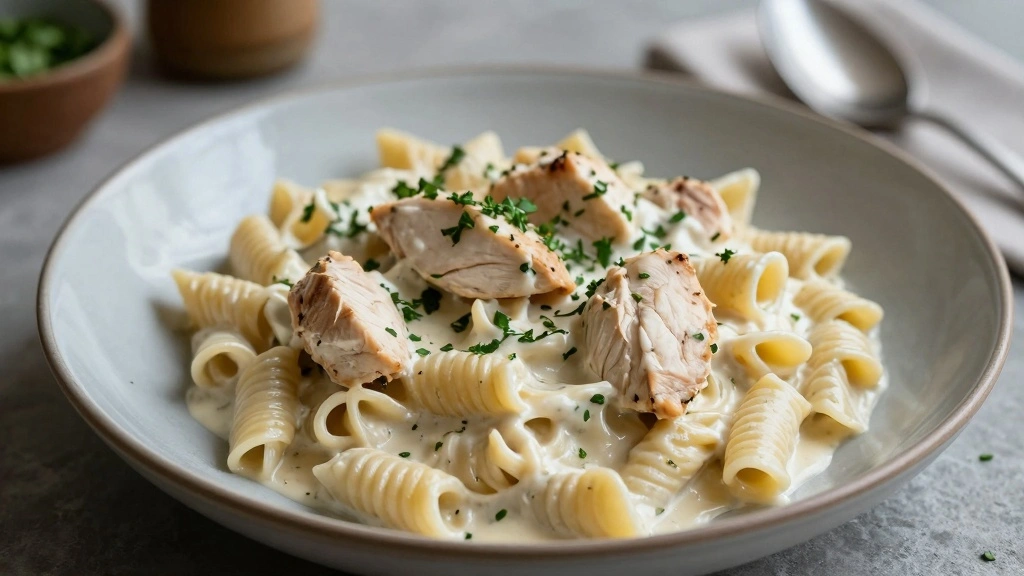
Transfer pasta to serving plates or a large serving dish.
Garnish with freshly chopped parsley or basil if desired.
Serve immediately while the dish is hot and creamy.
Enjoy your dairy-free creamy chicken pasta.
Critical Timing and Temperature Guide
Soaking Cashews: Soak for at least 8 hours or overnight. Ensure cashews are fully submerged in water to soften properly.
Cooking Pasta: Boil for 8-10 minutes, depending on the pasta type. Pasta should be al dente, with a slight bite when tested.
Pan Searing Chicken: Cook at medium-high heat for 5-7 minutes per side. Chicken should be golden brown and cooked through, with no pink center.
Pro Tips for Dairy Free Chicken
• Ingredient Selection: Choose high-quality, unsweetened almond milk and fresh cashews to ensure the sauce has a clean, creamy taste.
• Preparation Secret: Toast nutritional yeast lightly in a pan before blending to enhance its cheesy flavor.
• Temperature Management: Allow the sauce to rest for 5 minutes before serving for flavors to meld.
• Texture Enhancement: Blend the sauce for at least 2 minutes to ensure a silky, smooth consistency.
• Flavor Layering: Sauté garlic in olive oil before adding to the blender for a richer flavor profile.
• Make-Ahead Strategies: Prepare the sauce up to 2 days in advance and store in the fridge. Reheat gently before serving.
• Restaurant-Quality Finishing Touches: Add a sprinkle of smoked paprika or truffle oil before serving for an elevated flavor.
• Equipment Optimization: Use a non-stick pan to prevent sticking and ensure even cooking of chicken and vegetables.
Troubleshooting Common Issues
• Sauce Too Thick: If the sauce is too thick, add more almond milk, a tablespoon at a time, until desired consistency is reached.
• Flavors Unbalanced: If the sauce tastes bland, adjust with more salt, nutritional yeast, or a squeeze of lemon juice for brightness.
• Pasta Overcooked: If pasta is overcooked, undercook it slightly next time and rinse under cold water to stop cooking.
• Chicken Dry: Ensure chicken is not overcooked by checking for doneness at the minimum cooking time.
• Mushrooms Watery: Cook mushrooms on high heat to evaporate water quickly, ensuring they brown properly.
Variations and Regional Differences
• Italian Variation: Incorporate sun-dried tomatoes and fresh basil for a Mediterranean twist on the classic Alfredo.
• Asian-Influenced Style: Add ginger and soy sauce to the sauce for an Asian-inspired creamy pasta dish.
• Spicy Cajun Version: Add Cajun seasoning and bell peppers to the dish for a spicy, Southern-inspired pasta.
• Vegan Option: Replace chicken with tofu or tempeh, marinated in soy sauce and sesame oil for a plant-based protein.
Food Science Behind the Recipe
• Emulsification: The process of blending fats and liquids (like cashews and almond milk) creates a stable, creamy sauce without dairy.
• Maillard Reaction: Searing chicken and mushrooms at high heat causes the Maillard reaction, enhancing flavor through browning.
• Gelatinization of Starch: Cooking pasta causes starches to gelatinize, giving it the desired texture and allowing it to absorb sauce flavors.
Frequently Asked Questions
What's the most common mistake people make when preparing dairy-free chicken pasta? The most common mistake is not soaking the cashews long enough, resulting in a grainy sauce.
Can I use a different nut for the sauce? Yes, macadamia nuts or blanched almonds can be used as alternatives, though they may alter the flavor slightly.
How can I add more protein to this dish? Consider adding chickpeas or lentils for additional plant-based protein.
Is there a way to make this dish nut-free? Use sunflower seeds or silken tofu for the sauce instead of cashews.
Can I prepare this dish in advance? Yes, you can make the sauce and cook the chicken a day ahead. Combine and heat before serving.
What if I don't have nutritional yeast? Substitute with a small amount of miso paste for a similar umami flavor.
How do I store leftovers? Store leftovers in an airtight container in the fridge for up to 3 days. Reheat gently on the stove or in the microwave.
Serving and Presentation Guide
• Traditional Presentation: Serve pasta in a wide, shallow bowl, topped with fresh herbs and a sprinkle of nutritional yeast.
• Family Style: Serve in a large dish at the center of the table for a communal dining experience.
• Individual Plates: Arrange pasta in nests on each plate for an elegant presentation.
• Garnished with Fresh Herbs: Add freshly chopped parsley or basil just before serving for color and fresh flavor.
Conclusion
With this dairy-free creamy chicken pasta recipe, you can indulge in a rich, satisfying meal without the need for traditional dairy ingredients.
The blend of savory flavors and creamy texture is sure to please both dairy-free and non-dairy-free diners alike.
Give this recipe a try and discover how delicious and versatile dairy-free cooking can be.