
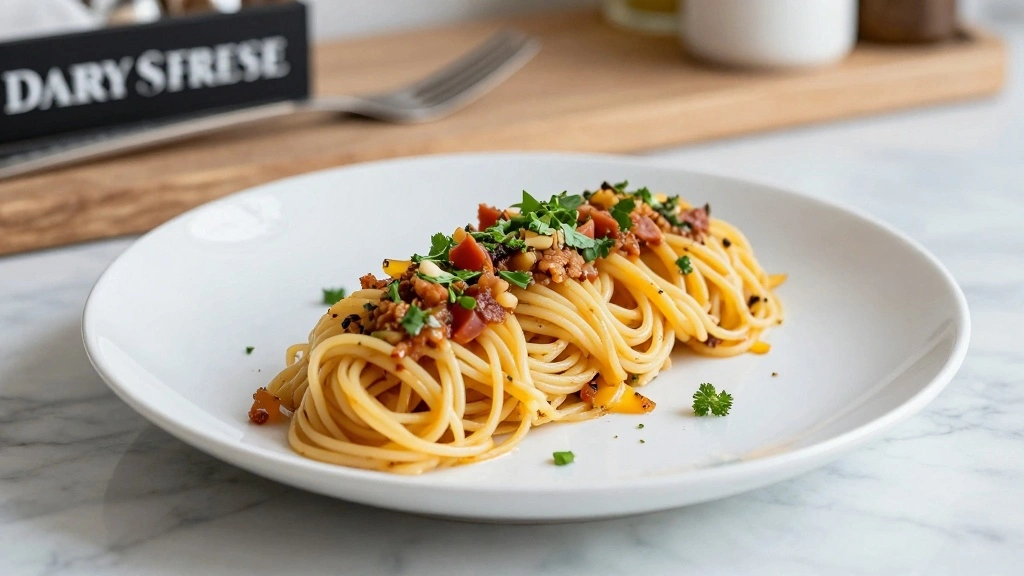
I first discovered dairy-free spaghetti squash recipes during a health journey, seeking lighter alternatives to traditional pasta dishes.
The subtle sweetness and tender texture of spaghetti squash make it a perfect canvas for a variety of flavors.
Whether you’re lactose intolerant or simply exploring dairy-free options, these recipes deliver satisfying meals without compromising on taste.
Embrace the versatility of spaghetti squash as it pairs beautifully with herbs, spices, and a medley of vegetables.
Perfect for any season, these dishes offer a nutritious and delicious way to enjoy a comforting meal.
Prepare to be amazed at how spaghetti squash can transform into a hearty, dairy-free delight.
Contents
- The History and Cultural Significance
- Recipe Overview
- Nutritional Information (per serving)
- Essential Equipment Guide
- Ingredients
- Preparation Methods
- Step 1: Prepare Ingredients
- Step 2: Cut and Prepare Squash
- Step 3: Roast the Squash
- Step 4: Prepare Vegetables
- Step 5: Sauté Vegetables
- Step 6: Scrape the Squash
- Step 7: Combine Ingredients
- Step 8: Serve and Enjoy
- Critical Timing and Temperature Guide
- Pro Tips for Dairy Free Spaghetti
- Troubleshooting Common Issues
- Variations and Regional Differences
- Food Science Behind the Recipe
- Frequently Asked Questions
- Serving and Presentation Guide
Recommended Products

Elevate food above fat and liquid for healthier cooking


HIC Kitchen Roasting Baking Broiler Rack: Elevates food above drippings for even heat circulation, crisp edges, and juicy interiors; reduces excess fat for healthier cooking
The History and Cultural Significance
• Dairy Free Spaghetti traces its origins to central America, where it was originally created by indigenous peoples who cultivated squash.
• The dish evolved over decades as different cultures adopted the squash, eventually becoming the beloved version we know today.
• In Italian-American culture, this dish traditionally appears at family gatherings, symbolizing unity and warmth.
• While many variations exist across different regions, the authentic version maintains a focus on fresh, seasonal produce that sets it apart from imitations.
Recommended Products

McCormick Salt Free Vegetable Seasoning has no salt or MSG added*

Experience the authentic flavors of Tuscany with our butternut squash sauce. Crafted from butternut squash, olive oil, & savory sage, this creamy vegan pasta sauce makes meals delicious.

ROBUST FLAVOR: Crafted with Italian-inspired herbs and spices including onion, garlic, basil, and paprika.
Recipe Overview
Recommended Products

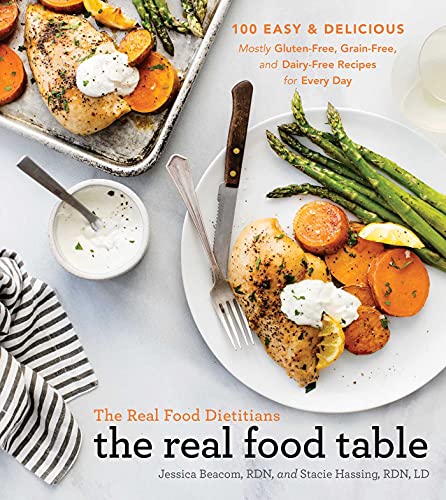
The Real Food Dietitians the Real Food Table: 100 Easy and Delicious Mostly Gluten Free, Grain Free, and Dairy Free Recipes for Every Day
Nutritional Information (per serving)
Recommended Products

ALL-PURPOSE NAKIRI KNIFE: The classic 7 inch kitchen knife is flexible for all kinds of heavy duty preps, like slicing, dicing, chopping and mincing. A truly all-around cooking knife, is easy to re-sharpen, clean and maintain.
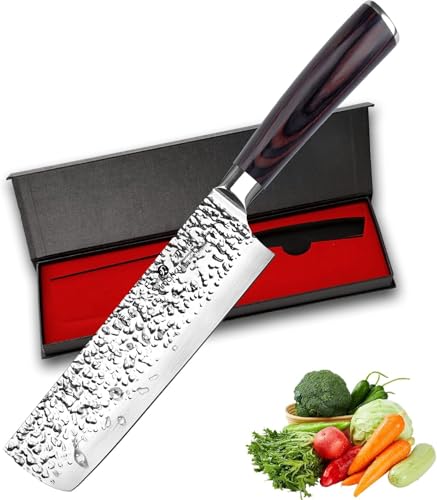
【ULTRA SHARP BLADE】Experience smooth slicing, dicing, chopping and mincing with the 7 inch nakiri knife, featuring a razor-sharp 15° edge angle. Perfect for chopping vegetables, meat, and fruits — whether you're a professional chef in a busy kitchen or a home cook prepping weeknight dinners. It’s an essential cooking knife for anyone who values sharpness and control

PERFECT FOR ROASTED SQUASH: Once your butternut squash or spaghetti squash is roasted this 2 in 1 corer dicer for squash glides through tender flesh allowing you to create perfectly cubed butternut squash or scoop roasted butternut squash strands directly from the shell for quick healthy meals
Essential Equipment Guide
Baking Sheet: A sturdy baking sheet is crucial for roasting the spaghetti squash evenly. While any baking sheet can work, one with a non-stick surface will make the process easier.
Sharp Knife: A sharp knife is essential for safely cutting the tough outer shell of the spaghetti squash. Alternatives include a serrated knife, but ensure it’s sharp to prevent slippage.
Fork: A fork is important for scraping the cooked squash into strands. A sturdy, metal fork works best, providing control and ease.
Recommended Products

Food for the Sol: Bring home the satisfaction of pasta with our hearts of palm spaghetti, but with a new take; the pleasantly firm, al dente strands of our spaghetti pasta...
Ingredients
Recommended Products

Suitable Noodles:Ideal for drying a variety of pasta such as spaghetti, tagliatelle, fettuccine, vermicelli, linguine, lasagne and so on

HIC Kitchen Roasting Octagonal Rack: Elevates food above drippings for airflow, even roasting, crisp edges, and juicy interiors; drains fat for healthier cooking

【DIMENSIONS:Dia φ9.5" x H 0.8" / Dia φ24 x H 2cm; WEIGHT:8.11oz / 230g.】This cooking grid's outer diameter is φ9.5 inches.
For the Base
|
| Amount | Ingredient | Notes |
|---|---|---|
| 1 large | spaghetti squash | halved lengthwise, seeds removed |
| 2 tablespoons | olive oil | adds richness |
Vegetables
| Amount | Ingredient | Notes |
|---|---|---|
| 1 cup | cherry tomatoes | halved |
| 1 medium | zucchini | diced |
Seasonings
| Amount | Ingredient | Notes |
|---|---|---|
| 2 cloves | garlic | minced |
| 1 teaspoon | dried oregano | adds aroma and depth |
Preparation Methods
Roasting the Squash: Roasting brings out the natural sweetness of the squash and enhances its texture. Preheat your oven to 400°F, place the squash cut-side down on a baking sheet, and roast until tender.
Sautéing Vegetables: Sautéing vegetables in olive oil enhances their flavors and ensures a perfect texture. Use medium heat to prevent burning and stir frequently.
Scraping the Squash: Use a fork to gently scrape the roasted squash. This technique creates the signature spaghetti-like strands and is crucial for texture.
Recommended Products

All the pesto vibes without the hassle

Marshalls Creek Spices buys in small quantities and packs weekly providing the freshest spices possible. Fresher spices means more flavor and a longer shelf life.

RICH, RESTAURANT-PROVEN FLAVOR: Transform your pasta dishes with Lawry’s Spaghetti Sauce Seasoning Mix, a rich spaghetti-and-pizza sauce mix that delivers exceptional quality and restaurant-proven flavor in every bite
Step 1: Prepare Ingredients
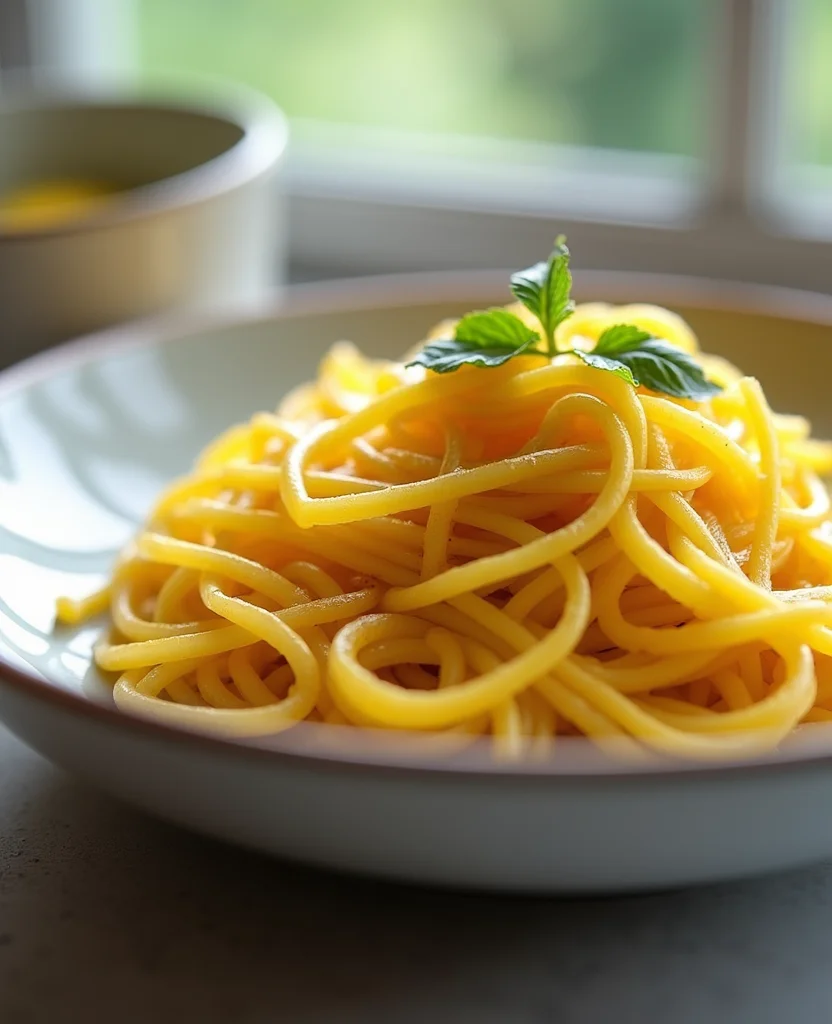
Gather all your ingredients and equipment.
Ensure the spaghetti squash is washed and ready to be cut.
Preheat your oven to 400°F to ensure the squash roasts evenly.
Organize your workspace for efficient cooking.
Step 2: Cut and Prepare Squash
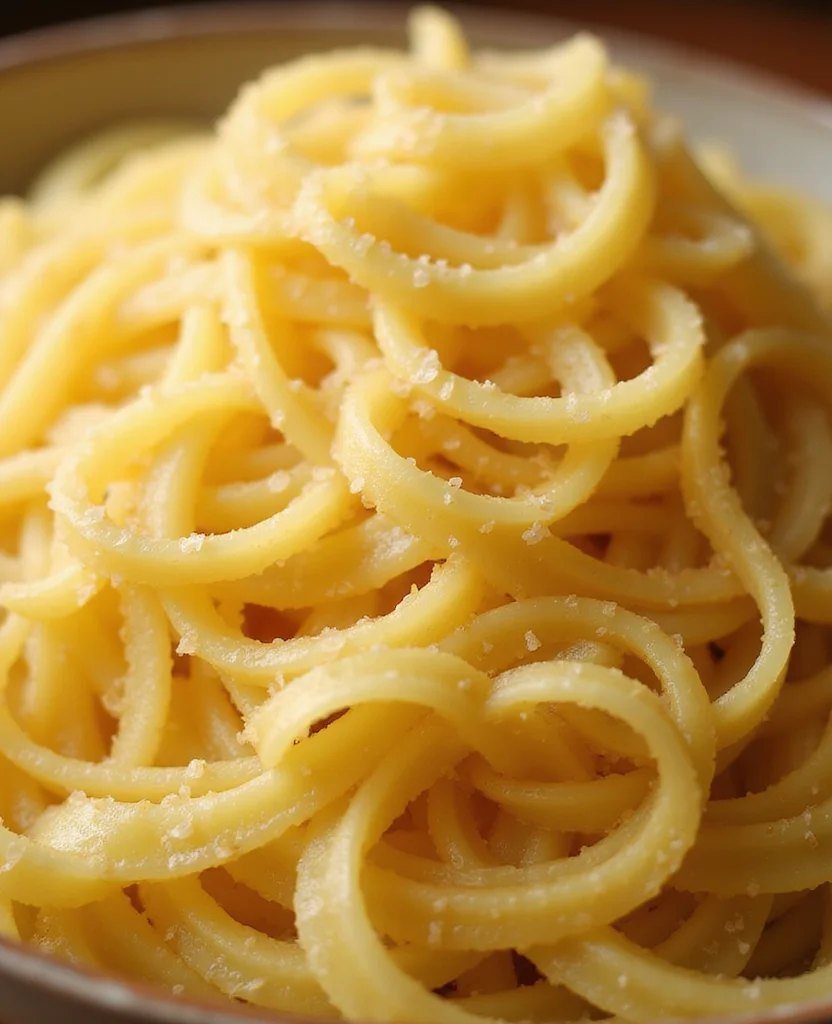
Using a sharp knife, carefully cut the spaghetti squash in half lengthwise.
Scoop out the seeds and fibrous strands with a spoon.
Brush the cut sides with olive oil to prevent drying out during roasting.
Place the squash halves cut-side down on a baking sheet.
Recommended Products

MULTIPURPOSE ULU KNIFE: Ideal kitchen tools for slicing, dicing, and chopping various ingredients; ideal kitchen essentials gadgets for both home and professional chefs

ALL-PURPOSE KITCHEN KNIFE - This santoku knife versatile design provides excellent control when chopping, dicing, mincing, or vegetables, poultry, roasts, and more.

PROFESSIONAL NAKIRI KNIFE - Crafted from 67 layers of Damascus steel, this knife boasts exceptional sharpness and prolonged durability. Nakiri knife is Japanese-style knives with a thin, lightweight, rectangular blade and a razor-sharp straight edge. Also minimizes friction, preventing food from sticking to the blade.
Step 3: Roast the Squash
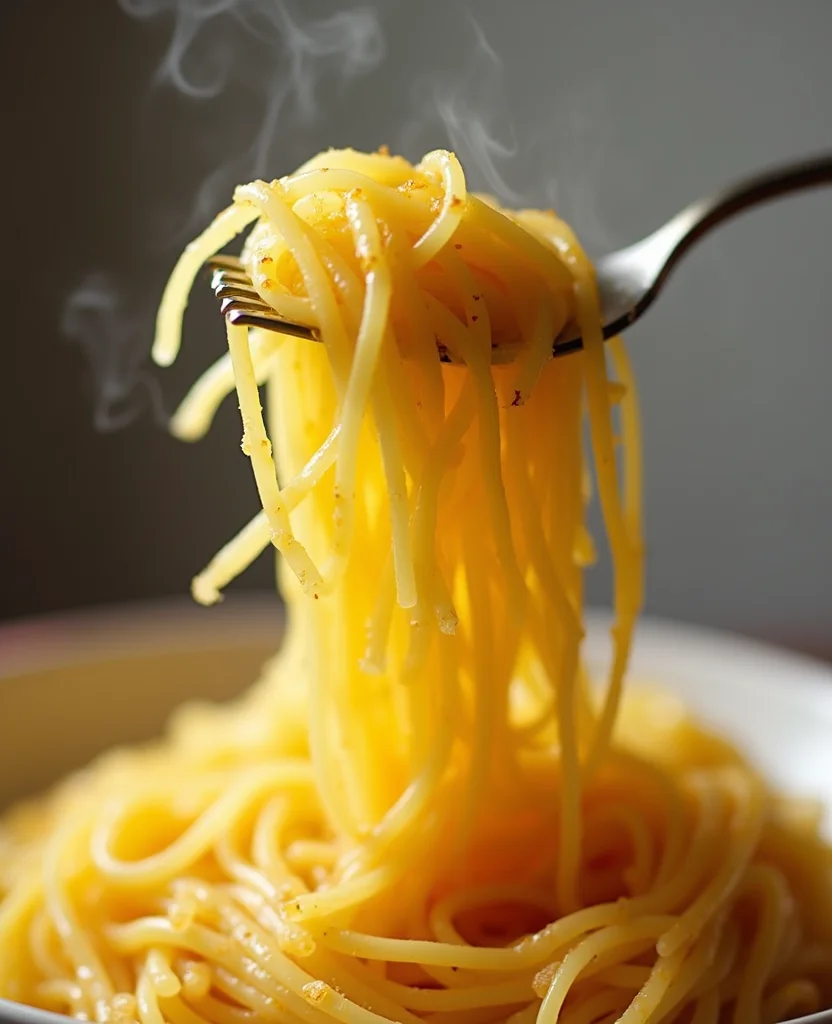
Place the baking sheet with squash halves in the preheated oven.
Roast for about 40-45 minutes until the flesh is tender when pierced with a fork.
Check halfway through and rotate the baking sheet for even cooking.
The squash is done when the edges are slightly golden.
Step 4: Prepare Vegetables
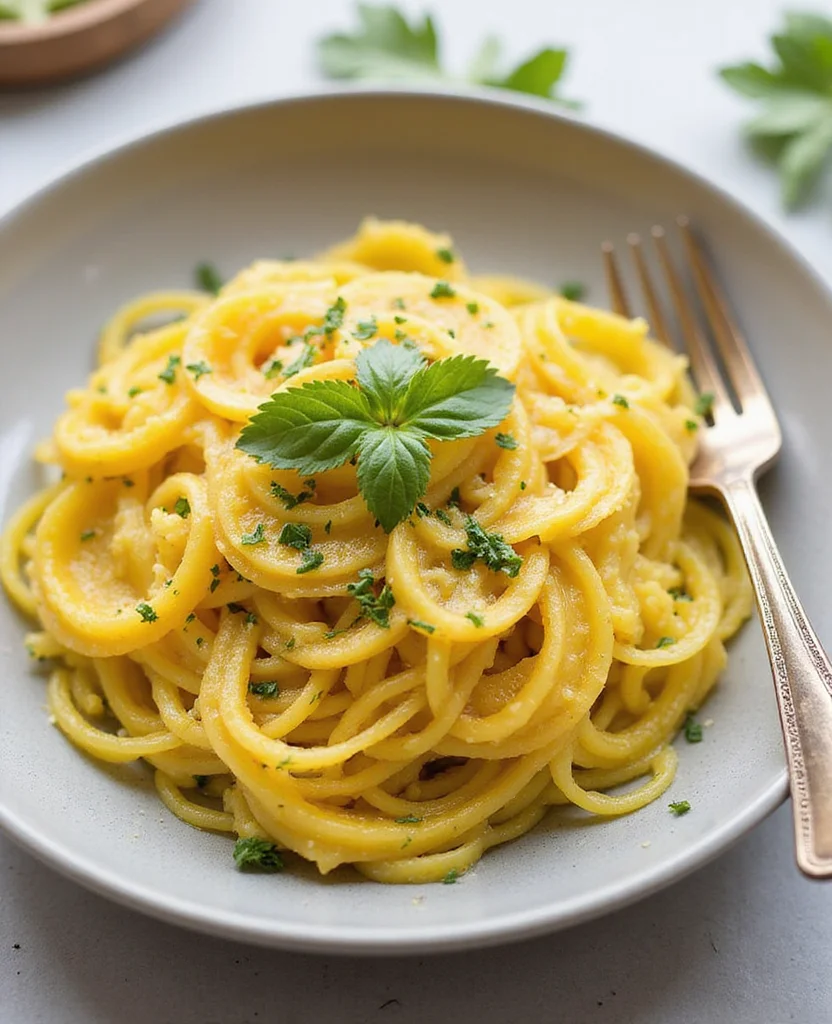
While the squash is roasting, prepare the vegetables.
Wash and halve the cherry tomatoes, then dice the zucchini.
Mince the garlic cloves to release their flavor.
Set all prepared vegetables aside for sautéing.
Step 5: Sauté Vegetables
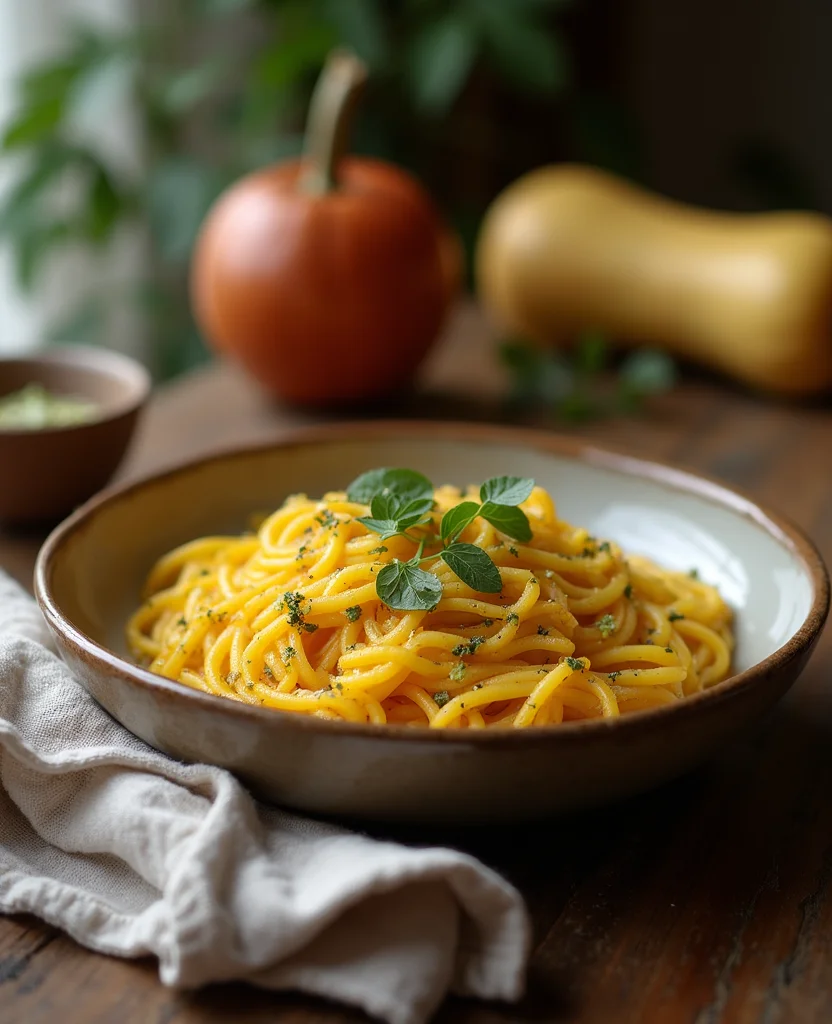
Heat olive oil in a large skillet over medium heat.
Add minced garlic and sauté until fragrant, about 1 minute.
Add the zucchini and tomatoes, stirring occasionally.
Cook until the vegetables are tender and slightly caramelized.
Step 6: Scrape the Squash
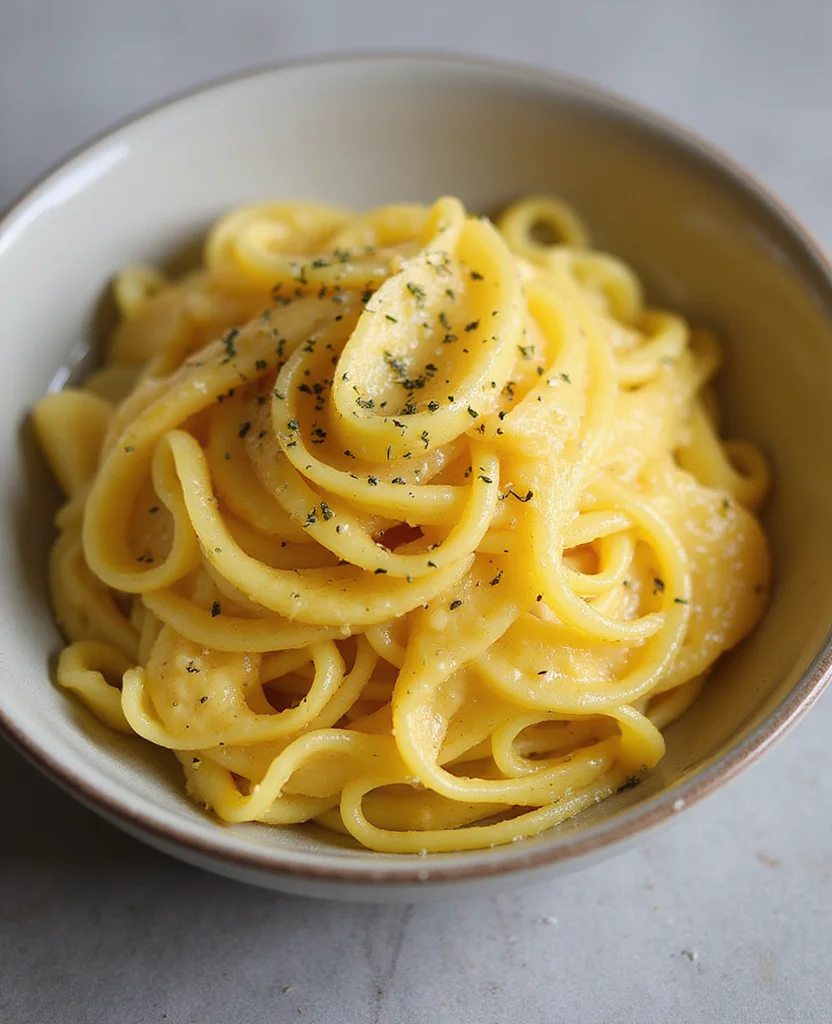
Remove the roasted squash from the oven and let it cool slightly.
Using a fork, gently scrape the flesh to create spaghetti-like strands.
Be careful not to break the strands as you scrape.
Transfer the strands to a large bowl.
Step 7: Combine Ingredients
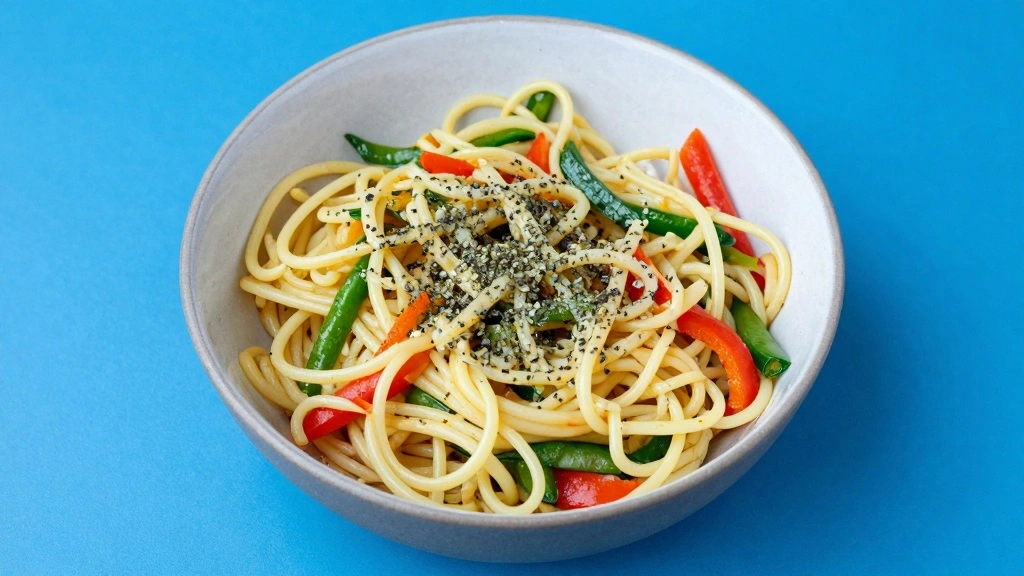
Add the sautéed vegetables to the bowl with squash strands.
Sprinkle in the dried oregano for added flavor.
Gently toss all ingredients to combine evenly.
Ensure the seasoning is distributed throughout.
Step 8: Serve and Enjoy
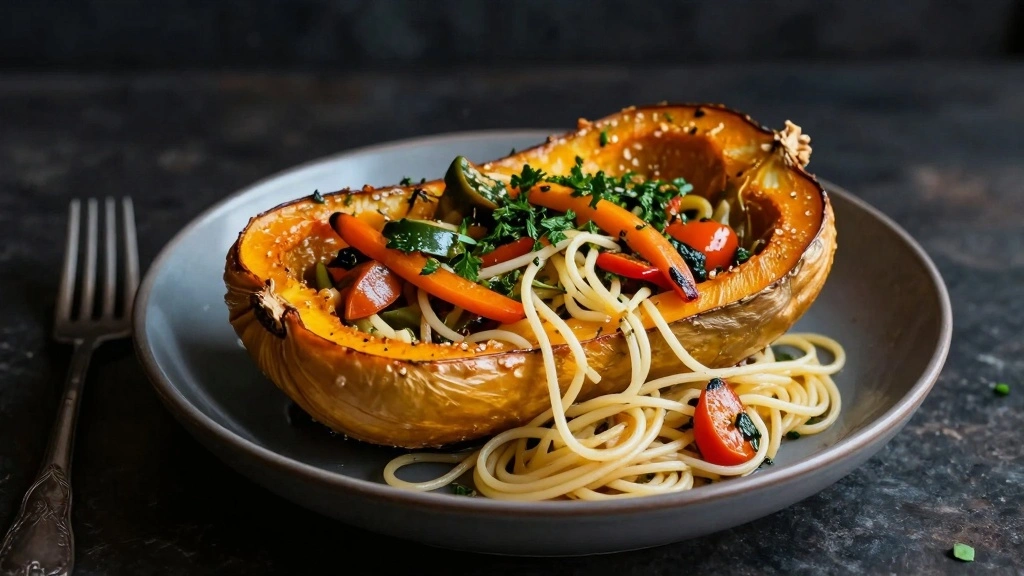
Transfer the combined dish to serving plates.
Garnish with fresh herbs if desired for extra color and flavor.
Serve immediately while warm for the best taste experience.
Enjoy your light and satisfying dairy-free meal.
Critical Timing and Temperature Guide
Roasting Squash: Roast at 400°F for 40-45 minutes. Look for tender flesh and slightly golden edges. Avoid undercooking as it results in crunchy texture.
Sautéing Vegetables: Sauté over medium heat for 5-7 minutes. Vegetables should be tender but not mushy. Overcooking can lead to loss of vibrant color.
Scraping Squash: Wait for squash to cool slightly before scraping. Strands should come away easily. Forceful scraping can break strands, affecting texture.
Pro Tips for Dairy Free Spaghetti
• Ingredient Selection: Choose a ripe spaghetti squash with a firm, golden exterior for the best texture and flavor.
• Preparation Secret: Let the squash cool slightly after roasting to make scraping easier and reduce moisture content.
• Temperature Management: Ensure the oven is fully preheated before roasting to achieve even cooking.
• Texture Enhancement: Do not overcook the squash; aim for a tender yet firm bite.
• Flavor Layering: Add herbs like basil or thyme while sautéing vegetables for enhanced aroma and taste.
• Make-Ahead Strategies: Roast the squash a day ahead and store in the fridge. Reheat gently before serving.
• Restaurant-Quality Finishing Touches: Garnish with fresh parsley or basil for a pop of color and freshness.
• Equipment Optimization: Use a non-stick skillet for sautéing vegetables to prevent sticking and ensure even cooking.
Troubleshooting Common Issues
• Squash Too Watery: This occurs when squash is over-roasted or not cooled properly. To fix, drain excess liquid before combining with vegetables.
• Lack of Flavor: Often due to insufficient seasoning. Taste and adjust salt, pepper, or herbs before serving.
• Vegetables Overcooked: Sautéing too long can cause this. Cook just until tender and remove from heat immediately.
• Squash Strands Breaking: This happens when scraping too aggressively. Use gentle strokes with the fork.
• Uneven Cooking: Results from improper oven temperature or overcrowding the baking sheet. Ensure squash pieces are spaced apart and oven is preheated.
Variations and Regional Differences
• Italian Style: Incorporates fresh basil and a tomato-based sauce, emphasizing Mediterranean flavors.
• Mexican Variation: Adds black beans, corn, and a sprinkle of chili powder for a southwestern twist.
• Asian Fusion: Uses soy sauce, ginger, and scallions for a unique, savory profile.
• Greek Inspired: Features olives, feta, and oregano, offering a tangy, herbal note.
Food Science Behind the Recipe
• Maillard Reaction: This browning process occurs during roasting, enhancing flavor and aroma through chemical reactions between amino acids and sugars.
• Fiber Structure: Spaghetti squash's unique fiber composition allows it to be pulled into strands, providing a pasta-like texture without gluten.
• Emulsification: Olive oil used during sautéing helps emulsify flavors, coating vegetables for even taste distribution.
Frequently Asked Questions
What's the most common mistake people make when preparing Dairy Free Spaghetti Squash? Overcooking the squash, leading to a mushy texture instead of distinct strands.
Can I prepare the squash ahead of time? Yes, you can roast the squash a day in advance and refrigerate. Reheat before serving.
How do I know when the squash is done roasting? The flesh should be tender and easily pierced with a fork, with slightly golden edges.
What can I substitute for olive oil? Use avocado oil or coconut oil for similar richness without dairy.
How should I store leftovers? Store in an airtight container in the refrigerator for up to 3 days.
Can I freeze cooked spaghetti squash? Yes, freeze in a sealed container for up to 2 months. Thaw and reheat gently.
What garnishes work well with this dish? Fresh herbs like parsley or basil, or a sprinkle of nutritional yeast for a cheesy flavor.
Serving and Presentation Guide
• Traditional Presentation: Serve in the scooped-out squash shell for an impressive, eco-friendly presentation.
• Modern Plating: Arrange squash and vegetables neatly on a flat plate with a drizzle of olive oil.
• Family Style: Serve in a large bowl with tongs for easy self-serving at the table.
• Individual Portions: Plate in smaller bowls or plates for portion control and a personal touch.
Conclusion
With its delightful texture and ability to absorb flavors, spaghetti squash is a versatile ingredient for any kitchen.
These dairy-free recipes offer a wholesome, satisfying alternative to traditional pasta dishes.
Experiment with different seasonings and vegetables to create your perfect meal.
Enjoy the journey of discovering new flavors and textures with every bite.