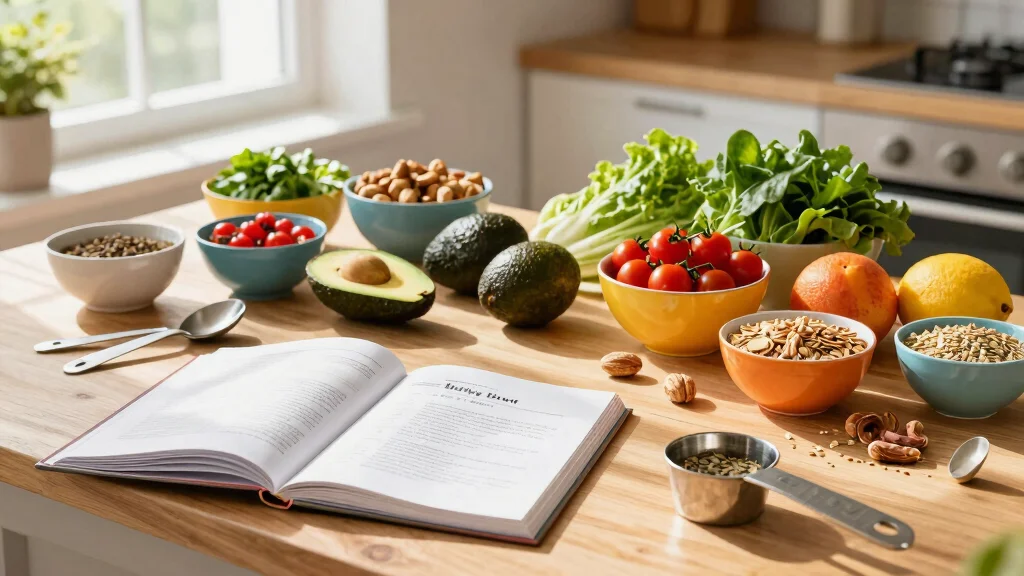

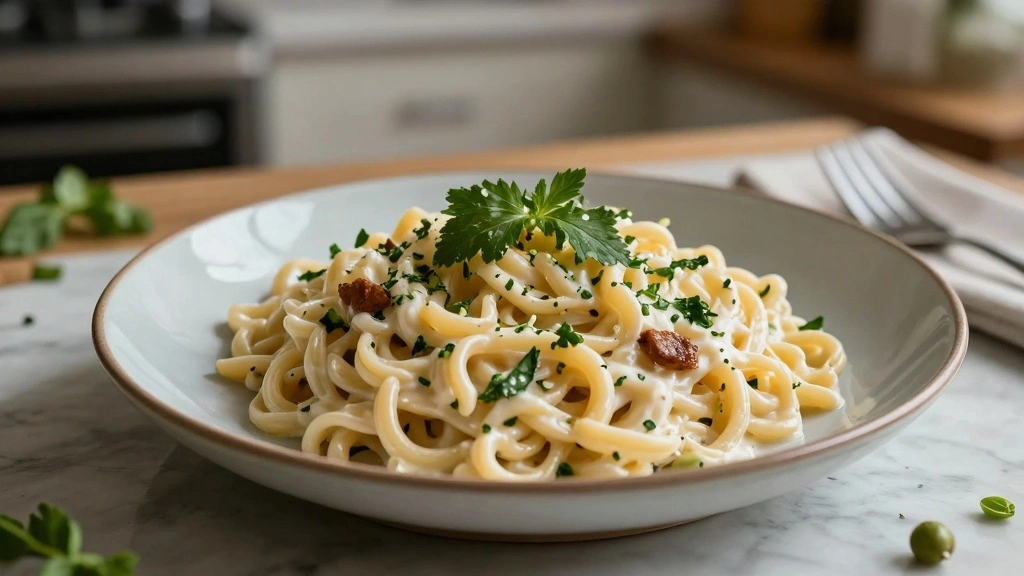
The creamy allure of orzo pasta gets a delightful twist with these simple dairy-free recipes.
I discovered this dish during a culinary deep dive into Mediterranean cuisines, where orzo reigns supreme.
The smooth, velvety texture combined with rich flavors ensures a satisfying meal without the need for dairy.
Ideal for both weeknight dinners and special gatherings, this recipe requires minimal ingredients and effort.
Whether you’re a seasoned cook or a kitchen novice, these recipes guarantee creamy pasta perfection without the dairy.
Dive into a world of flavor where tradition meets modern dietary needs.
Contents
- The History and Cultural Significance
- Recipe Overview
- Nutritional Information (per serving)
- Essential Equipment Guide
- Ingredients
- Preparation Methods
- Step 1: Prepare Ingredients
- Step 2: Heat Olive Oil
- Step 3: Sauté Mushrooms
- Step 4: Add Spinach
- Step 5: Deglaze Pan
- Step 6: Add Orzo
- Step 7: Pour Coconut Milk
- Step 8: Season and Simmer
- Step 9: Finish with Nutritional Yeast
- Step 10: Serve
- Critical Timing and Temperature Guide
- Pro Tips for Simple Dairy Free
- Troubleshooting Common Issues
- Variations and Regional Differences
- Food Science Behind the Recipe
- Frequently Asked Questions
- Serving and Presentation Guide
The History and Cultural Significance
• Simple Dairy Free traces its origins to the Mediterranean region, where it was originally created by local cooks who mastered the art of pasta-making without dairy.
• The dish evolved over decades as dietary preferences shifted, eventually becoming the beloved version we know today with a focus on plant-based ingredients.
• In Greek culture, this dish traditionally appears at family gatherings, symbolizing hospitality and sharing.
• While many variations exist across different regions, the authentic version maintains its creamy texture without the use of traditional dairy products.
Recipe Overview
Nutritional Information (per serving)
Essential Equipment Guide
Large Saucepan: A large saucepan is crucial for cooking the orzo evenly. Look for a heavy-bottomed pan to prevent sticking, and consider non-stick options for easy cleanup.
Wooden Spoon: Using a wooden spoon helps gently stir the orzo without damaging its texture. Metal spoons can be too harsh, while silicone alternatives may not provide the same control.
Fine Mesh Sieve: A fine mesh sieve is essential for draining cooked orzo while preserving its shape. Ensure the sieve is large enough to accommodate the pasta without overflowing.
Ingredients
For the Base
|
| Amount | Ingredient | Notes |
|---|---|---|
| 1 cup | orzo pasta | provides the foundation of the dish |
| 2 tablespoons | olive oil | adds richness and prevents sticking |
For the Sauce
| Amount | Ingredient | Notes |
|---|---|---|
| 1 cup | coconut milk | creates a creamy texture without dairy |
| 1 tablespoon | nutritional yeast | adds a cheesy flavor |
Vegetables
| Amount | Ingredient | Notes |
|---|---|---|
| 1 cup | mushrooms | sliced, adds umami |
| 1 cup | spinach | fresh, adds color and nutrients |
Seasonings
| Amount | Ingredient | Notes |
|---|---|---|
| 1 teaspoon | garlic powder | enhances flavor |
| 1 teaspoon | salt | balances flavors |
| 1/2 teaspoon | black pepper | adds a hint of spice |
Preparation Methods
Sautéing: Sautéing involves cooking vegetables in a small amount of oil over medium-high heat to enhance their flavor and texture. It's crucial for this dish to bring out the natural umami of the mushrooms.
Simmering: Simmering the orzo in coconut milk allows the pasta to absorb the flavors fully. Keep the heat low to prevent the milk from curdling.
Deglazing: Deglazing the pan with a splash of vegetable broth after sautéing the mushrooms lifts the fond and enriches the sauce with deep flavors.
Step 1: Prepare Ingredients
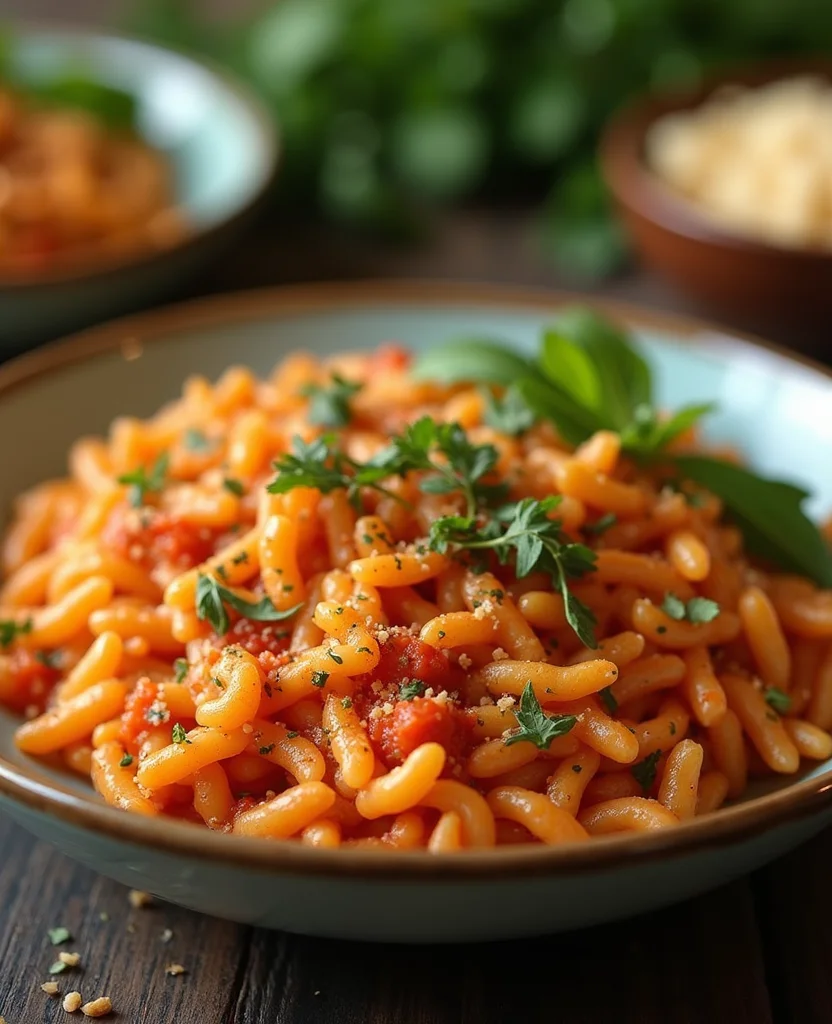
Gather all your ingredients and ensure they are measured and ready.
Wash and slice the mushrooms.
Rinse the spinach leaves under cold water.
Set aside the coconut milk and other seasonings for easy access.
Step 2: Heat Olive Oil
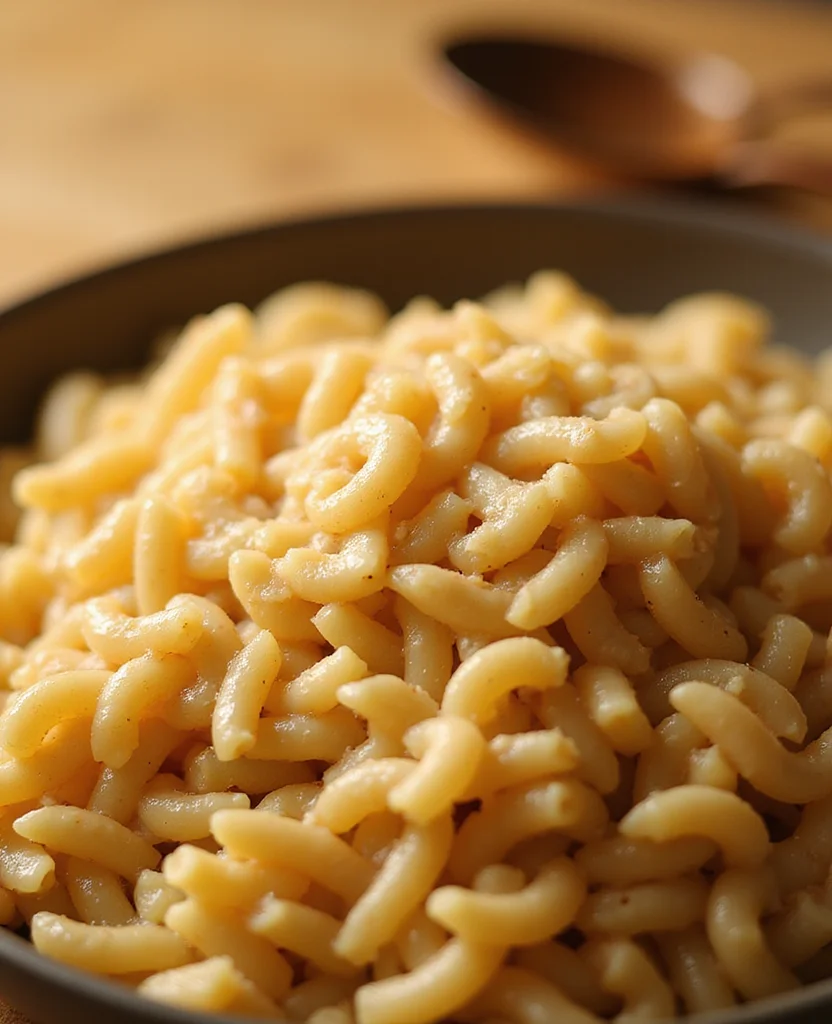
Place a large saucepan over medium heat.
Add the olive oil and allow it to warm up.
You should see the oil shimmer when it's ready.
Avoid letting the oil smoke to maintain its flavor integrity.
Step 3: Sauté Mushrooms
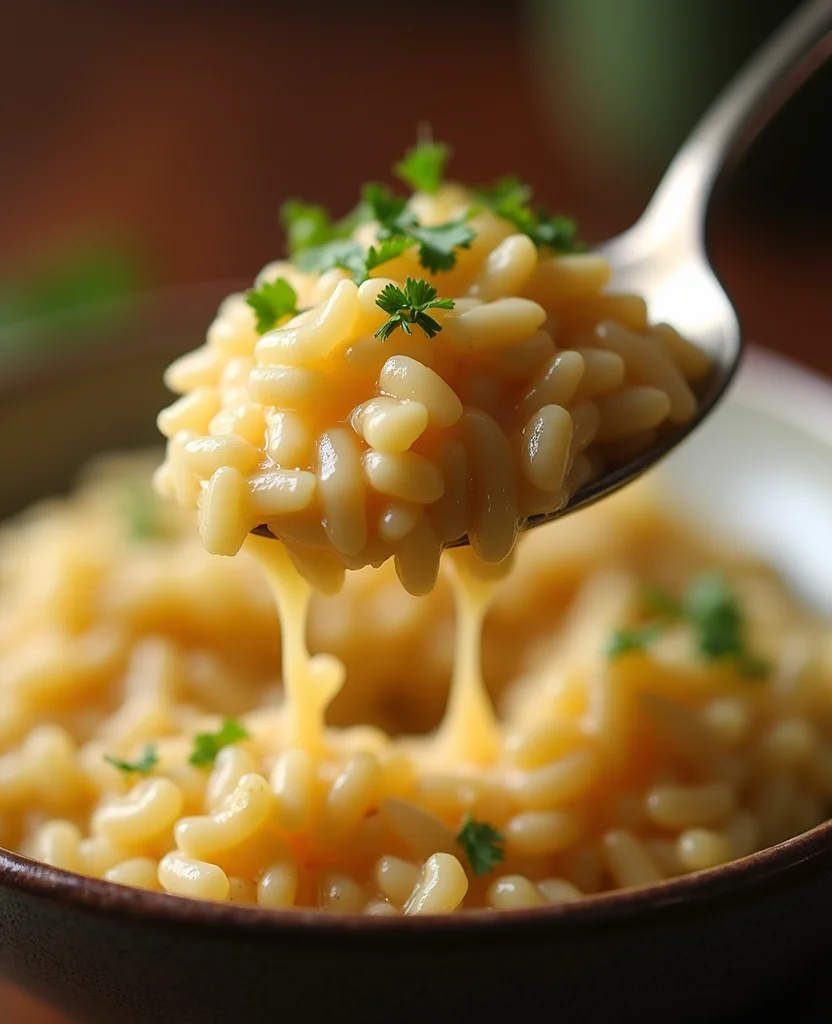
Add the sliced mushrooms to the saucepan.
Stir them occasionally to prevent sticking and ensure even cooking.
Cook until the mushrooms are golden brown and tender.
This should take about 5 minutes.
Step 4: Add Spinach
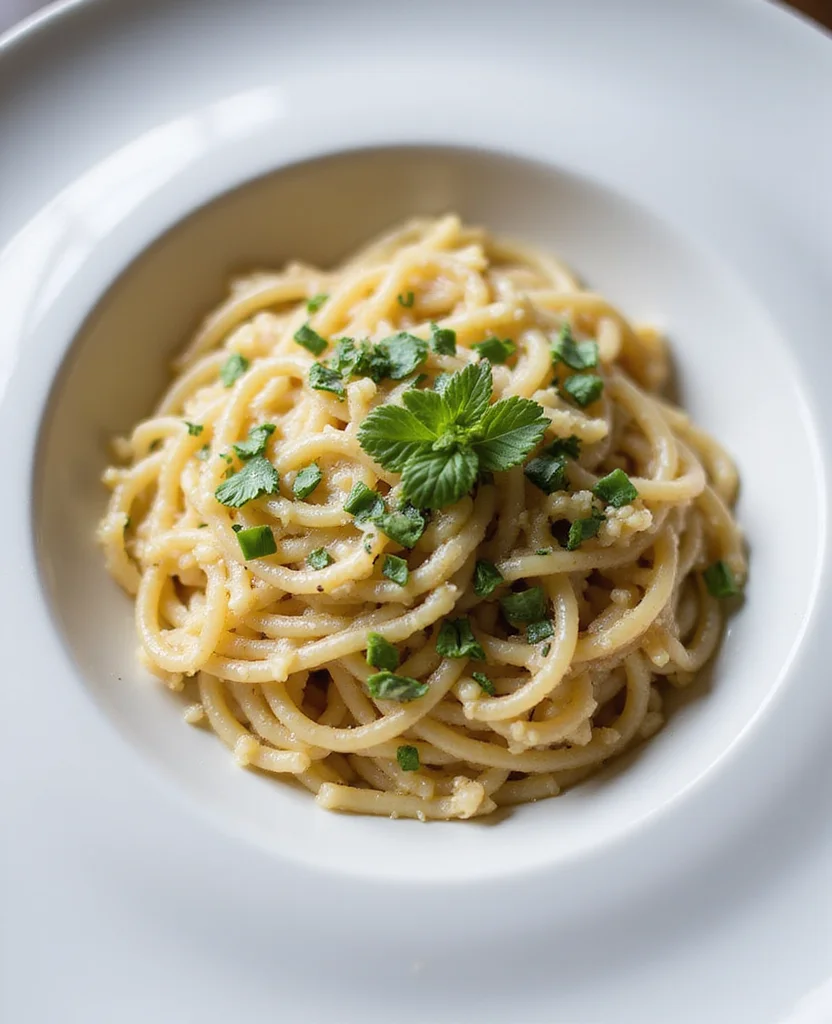
Add the spinach to the mushrooms in the saucepan.
Stir until the spinach wilts and reduces in volume.
This should take about 2-3 minutes.
Ensure the spinach is evenly mixed with the mushrooms.
Step 5: Deglaze Pan
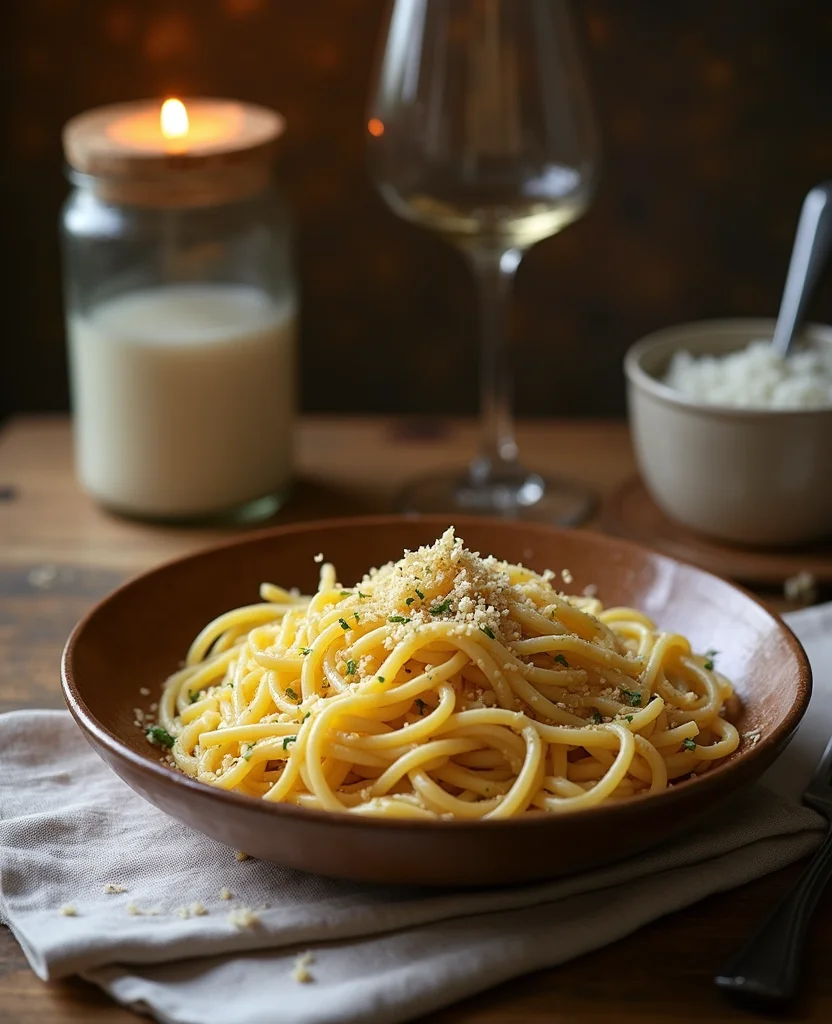
Pour a splash of vegetable broth into the pan.
Scrape the bottom of the pan to release any browned bits.
This process adds depth to the sauce.
Let it simmer for a minute to reduce slightly.
Step 6: Add Orzo
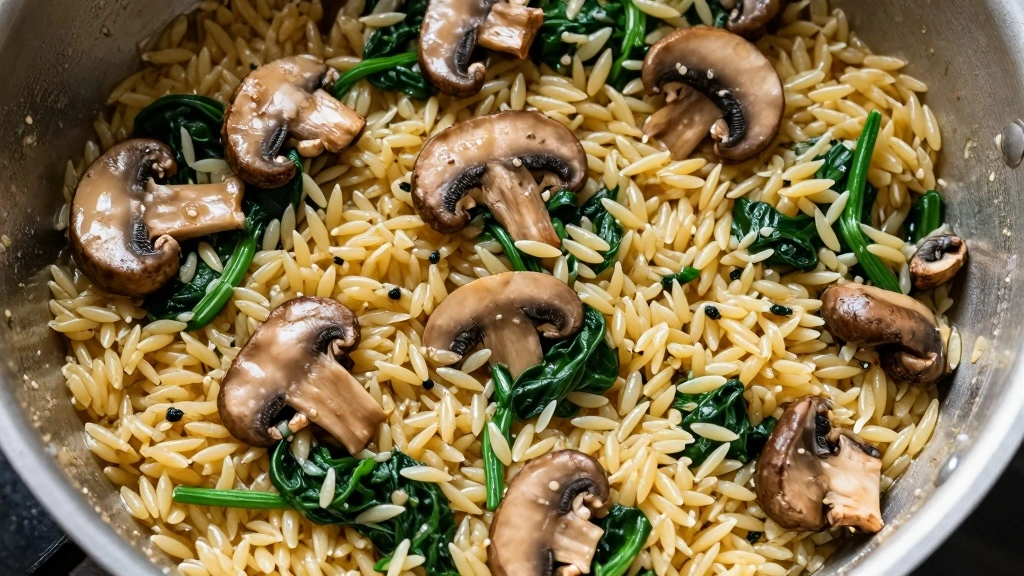
Stir in the orzo pasta into the pan.
Ensure the orzo is evenly distributed among the vegetables.
Coat the orzo with the existing flavors in the pan.
This step is essential for absorbing the flavors.
Step 7: Pour Coconut Milk
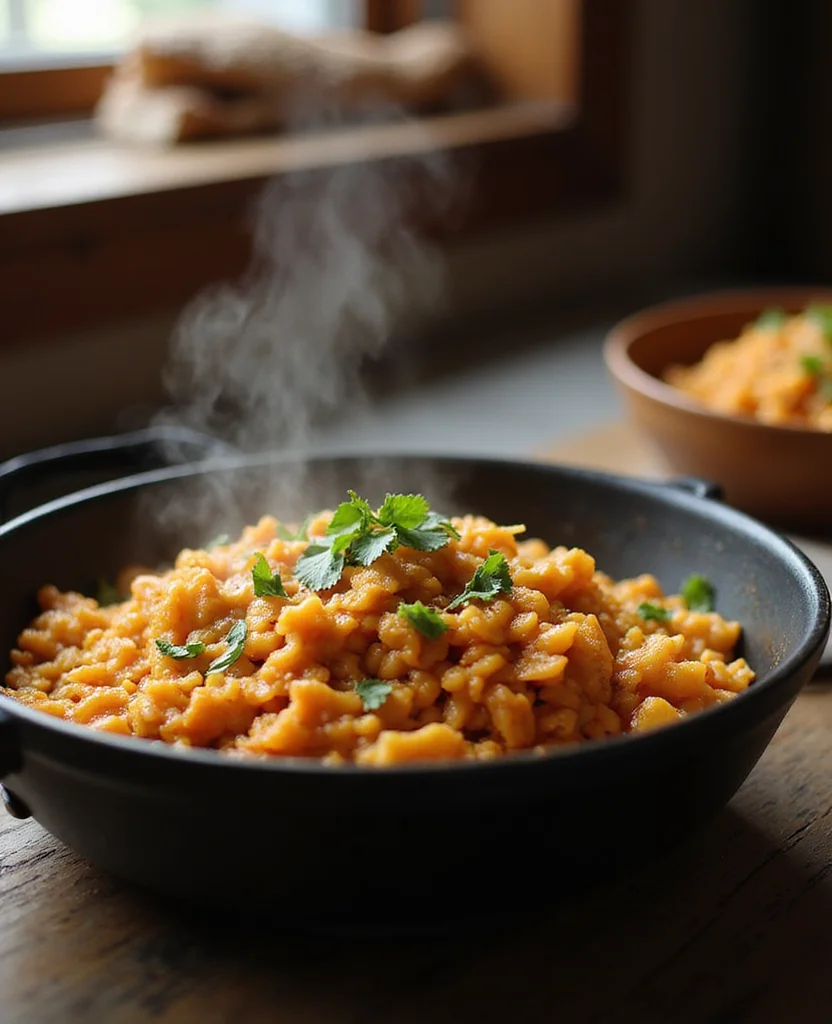
Add the coconut milk to the saucepan with the orzo.
Stir gently to combine all ingredients.
Bring the mixture to a gentle simmer.
Avoid boiling to prevent curdling.
Step 8: Season and Simmer
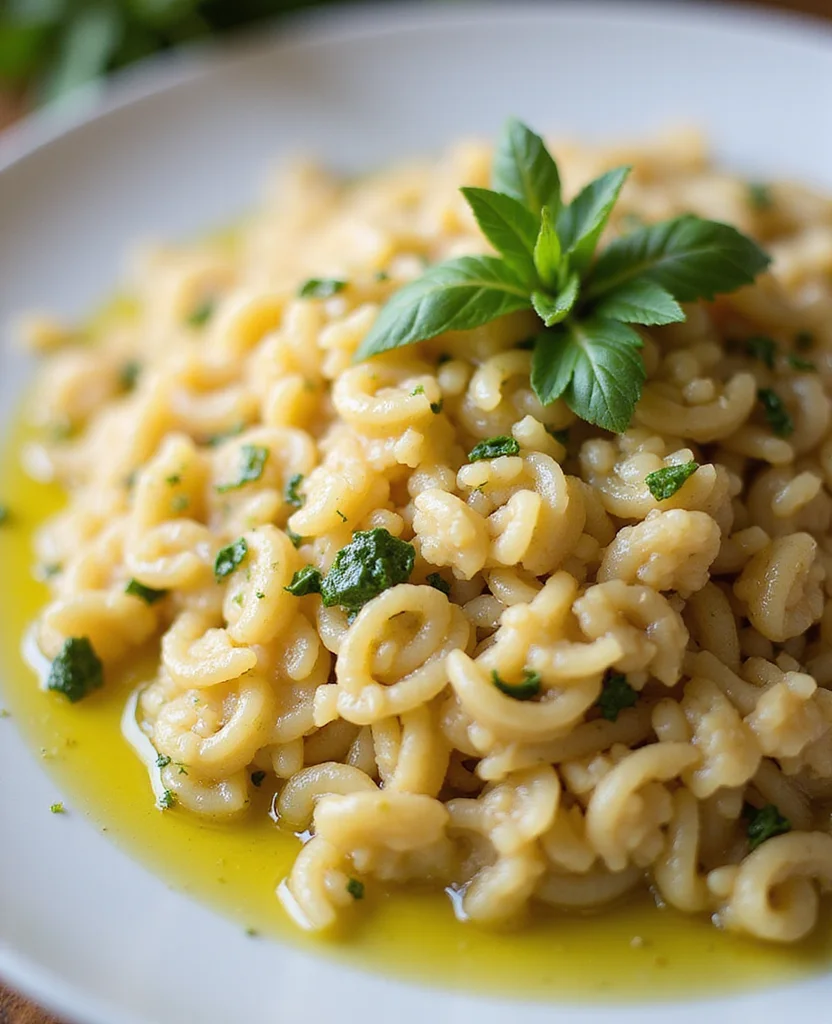
Add garlic powder, salt, and black pepper to the mix.
Stir well to incorporate the seasonings evenly.
Let the orzo simmer until tender, about 10 minutes.
Stir occasionally to prevent sticking.
Step 9: Finish with Nutritional Yeast
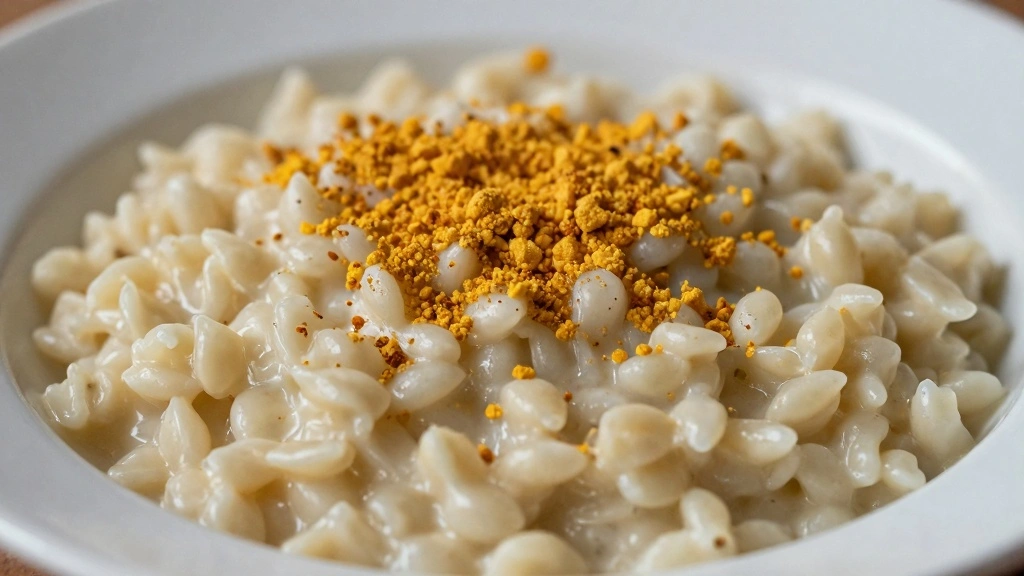
Sprinkle nutritional yeast over the cooked orzo.
Stir until fully combined, imparting a cheesy flavor.
Taste and adjust seasoning if necessary.
Let it sit for a minute to meld flavors.
Step 10: Serve
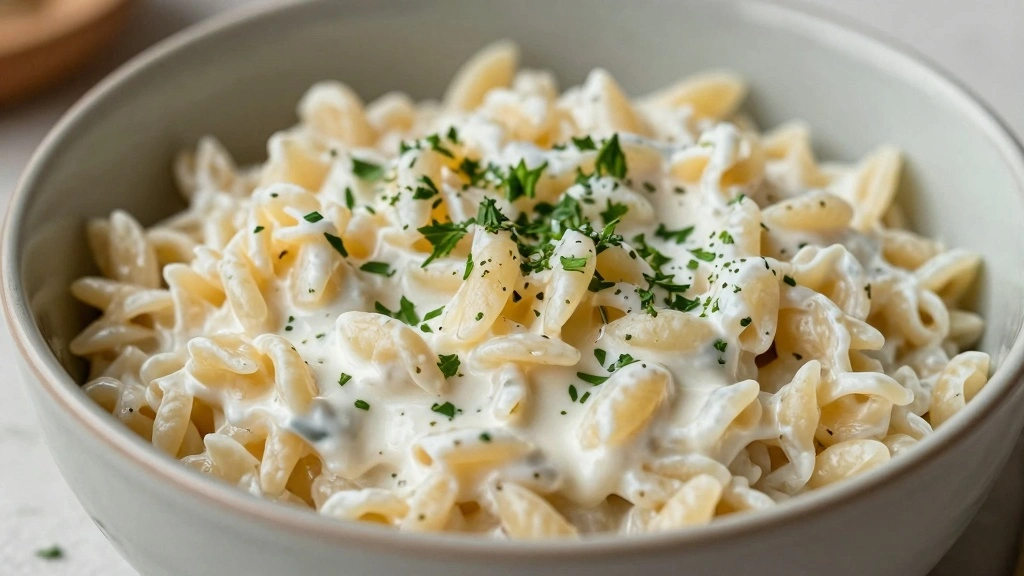
Remove the saucepan from heat.
Spoon the dairy-free orzo into serving bowls.
Garnish with fresh herbs like parsley or basil if desired.
Serve immediately while hot.
Critical Timing and Temperature Guide
Cooking Orzo: Cook the orzo at a gentle simmer for 10 minutes. Avoid high heat to prevent the coconut milk from curdling and ensure the pasta absorbs the flavors effectively.
Sautéing Mushrooms: Sauté the mushrooms for about 5 minutes over medium heat until golden brown. Do not overcrowd the pan to prevent steaming instead of browning.
Simmering Sauce: Simmer the coconut milk gently to prevent it from separating, ensuring a creamy texture. Keep a close eye on the heat and stir frequently.
Pro Tips for Simple Dairy Free
• Ingredient Selection: Choose high-quality coconut milk for the creamiest texture. Full-fat versions work best for richness.
• Preparation Secret: Toast the orzo briefly in the pan before adding the liquid to enhance its nutty flavor.
• Temperature Management: Keep the heat consistently low when simmering the coconut milk to maintain a smooth sauce.
• Texture Enhancement: Let the orzo rest for a minute off heat before serving to thicken the sauce naturally.
• Flavor Layering: Use vegetable broth to deglaze the pan, lifting the fond and enriching the overall taste.
• Make-Ahead Strategies: Prepare the sautéed vegetables in advance, storing them in an airtight container for up to 2 days.
• Restaurant-Quality Finishing Touches: Garnish with a drizzle of truffle oil or a sprinkle of roasted pine nuts for an elevated experience.
• Equipment Optimization: Use a large saucepan with a heavy base for even heat distribution and to prevent sticking.
Troubleshooting Common Issues
• Orzo Too Mushy: Overcooking orzo can lead to a mushy texture. Cook just until al dente and remember it will continue to soften slightly off heat.
• Curdled Sauce: High heat can cause coconut milk to curdle. Simmer gently and avoid boiling to maintain a smooth consistency.
• Flavors Too Mild: If the dish lacks flavor, ensure you've added enough salt or try incorporating more nutritional yeast or a splash of lemon juice.
• Vegetables Too Soggy: Avoid overcooking vegetables by adding them towards the end of cooking, retaining their color and texture.
• Sauce Too Thin: If the sauce is too thin, allow the dish to sit off heat for a minute to thicken naturally or add a teaspoon of cornstarch mixed with water.
• Lack of Creaminess: Ensure you’re using full-fat coconut milk and avoid skimping on olive oil to achieve the desired creaminess.
Variations and Regional Differences
• Italian Variation: Incorporates sun-dried tomatoes and basil, adding a Mediterranean flair with a touch of acidity and herbaceous notes.
• Greek Variation: Uses lemon juice and fresh dill, offering a refreshing tang and aromatic finish.
• Middle Eastern Variation: Includes spices like cumin and coriander, along with roasted eggplant for a smoky depth.
• Asian Fusion Variation: Features ginger, soy sauce, and bok choy, blending Asian flavors with the creamy base of coconut milk.
Food Science Behind the Recipe
• Starch Gelatinization: Understanding how starches in orzo absorb liquid and swell, creating a thick, creamy texture as they cook.
• Emulsification: The process of blending coconut milk with other ingredients to form a stable mixture, crucial for a smooth sauce.
• Maillard Reaction: The browning of mushrooms through sautéing, enhancing flavors through complex chemical reactions.
• Flavor Absorption: How simmering orzo in coconut milk allows it to absorb flavors, integrating the taste of the sauce into the pasta.
Frequently Asked Questions
What's the most common mistake people make when preparing Simple Dairy Free Orzo? The most common mistake is cooking the orzo at too high a temperature, leading to a curdled sauce.
Can I use other types of pasta instead of orzo? Yes, small pasta shapes like ditalini or acini di pepe can be used, though cooking times may vary.
Is there an alternative to coconut milk? Almond milk or cashew cream can be used, though they may not provide the same level of creaminess.
How do I store leftovers? Store leftovers in an airtight container in the refrigerator for up to 3 days. Reheat gently to avoid drying out.
Can this recipe be made gluten-free? Yes, use gluten-free orzo or a similar gluten-free pasta option to accommodate dietary restrictions.
What can I add for more protein? Consider adding cooked chickpeas or white beans for a protein boost without altering the flavor profile.
How can I adjust the recipe for more servings? Simply double the ingredients while maintaining the same cooking techniques and times for larger servings.
Serving and Presentation Guide
• Traditional Presentation: Serve in a shallow bowl, garnished with a sprig of fresh herbs and a light drizzle of olive oil for a touch of elegance.
• Family-Style Serving: Present in a large serving dish, allowing guests to help themselves, fostering a communal dining experience.
• Individual Plating: Use ring molds to shape portions onto plates, creating a refined look with garnishes and edible flowers.
• Casual Gathering: Serve in rustic bowls with a side of crusty bread, ideal for soaking up the creamy sauce.
Conclusion
With these simple dairy-free orzo recipes, you can enjoy creamy pasta perfection without compromising on flavor.
Whether for a quick weeknight meal or a sophisticated dinner party, this dish is sure to impress.
Embrace the versatility and ease of preparation that makes this recipe a standout favorite.
Now it's your turn to bring this delightful, dairy-free creation to your table.