
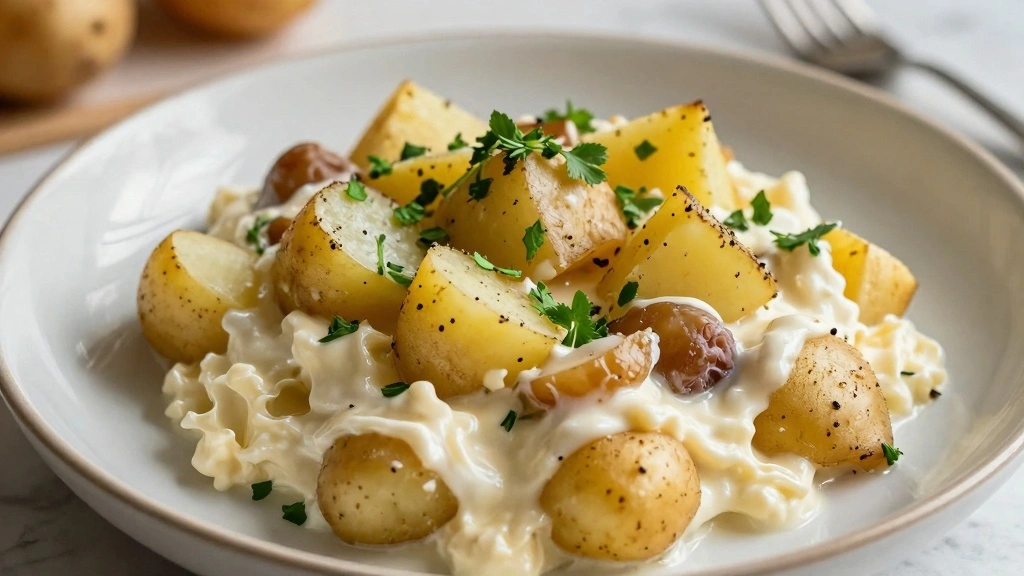
This creamy dairy-free potato dish is a delightful surprise for anyone looking to enjoy rich comfort food without the dairy.
The combination of smooth potatoes and a luscious sauce creates a flavor profile that’s both satisfying and indulgent.
I stumbled upon this recipe while exploring plant-based cooking, where it quickly became a household favorite.
Perfect for any season, this dish is versatile enough to complement a summer barbecue or warm up a winter evening.
With straightforward preparation and ingredients, it’s a recipe that promises to impress.
Whether you’re dairy-free by necessity or choice, this creamy potato dish will not disappoint.
Contents
- The History and Cultural Significance
- Recipe Overview
- Nutritional Information (per serving)
- Essential Equipment Guide
- Ingredients
- Preparation Methods
- Step 1: Prepare Ingredients
- Step 2: Boil the Potatoes
- Step 3: Mash the Potatoes
- Step 4: Blend the Sauce
- Step 5: Heat the Skillet
- Step 6: Cook the Sauce
- Step 7: Combine with Potatoes
- Step 8: Garnish and Serve
- Critical Timing and Temperature Guide
- Pro Tips for Creamy Dairy Free
- Troubleshooting Common Issues
- Variations and Regional Differences
- Food Science Behind the Recipe
- Frequently Asked Questions
- Serving and Presentation Guide
The History and Cultural Significance
• Creamy Dairy Free traces its origins to Northern Europe, where it was originally created by resourceful cooks adapting traditional recipes.
• The dish evolved over decades as plant-based alternatives became more refined, eventually becoming the beloved version we know today.
• In Scandinavian culture, this dish traditionally appears at family gatherings, symbolizing warmth and hospitality.
• While many variations exist across different regions, the authentic version maintains a creamy texture and rich flavor that sets it apart from imitations.
Recipe Overview
Nutritional Information (per serving)
Essential Equipment Guide
Blender: A high-speed blender is crucial for achieving a smooth, creamy sauce without dairy. Alternative options include a food processor, but the texture may be less refined. Look for a blender with multiple speed settings for versatility.
Potato Masher: To ensure the potatoes are perfectly mashed without lumps, a sturdy potato masher is recommended. A fork can be used in a pinch, but it requires more effort. Choose a masher with a comfortable grip for ease of use.
Non-Stick Skillet: This tool is essential for cooking the sauce without sticking, ensuring an even texture. Alternatives like a stainless steel pan can work with careful attention to heat. Look for a skillet with a heavy base for consistent cooking.
Ingredients
For the Base
|
| Amount | Ingredient | Notes |
|---|---|---|
| 4 medium | potatoes | peeled and diced |
| 2 tablespoons | olive oil | adds richness |
For the Sauce
| Amount | Ingredient | Notes |
|---|---|---|
| 1 cup | coconut milk | provides creaminess |
| 2 tablespoons | nutritional yeast | adds a cheesy flavor |
Seasonings
| Amount | Ingredient | Notes |
|---|---|---|
| 1 teaspoon | garlic powder | for depth of flavor |
| 1 teaspoon | salt | enhances taste |
| 1 teaspoon | pepper | adds a hint of spice |
Garnish
| Amount | Ingredient | Notes |
|---|---|---|
| 2 tablespoons | chopped parsley | for freshness |
Preparation Methods
Potato Boiling: Cooking the potatoes to the right tenderness is crucial. This method ensures they are soft enough to mash but not overcooked to become watery. Start with cold water and bring to a boil for even cooking.
Sauce Blending: Achieving a smooth, creamy sauce requires blending at high speed. This technique incorporates air for a lighter texture. Blend until no lumps remain, adjusting consistency with additional coconut milk if necessary.
Sautéing: The process of sautéing the sauce ingredients in olive oil enhances their flavors, creating a rich base. Keep the heat medium-low to prevent burning and stir consistently for even cooking.
Step 1: Prepare Ingredients
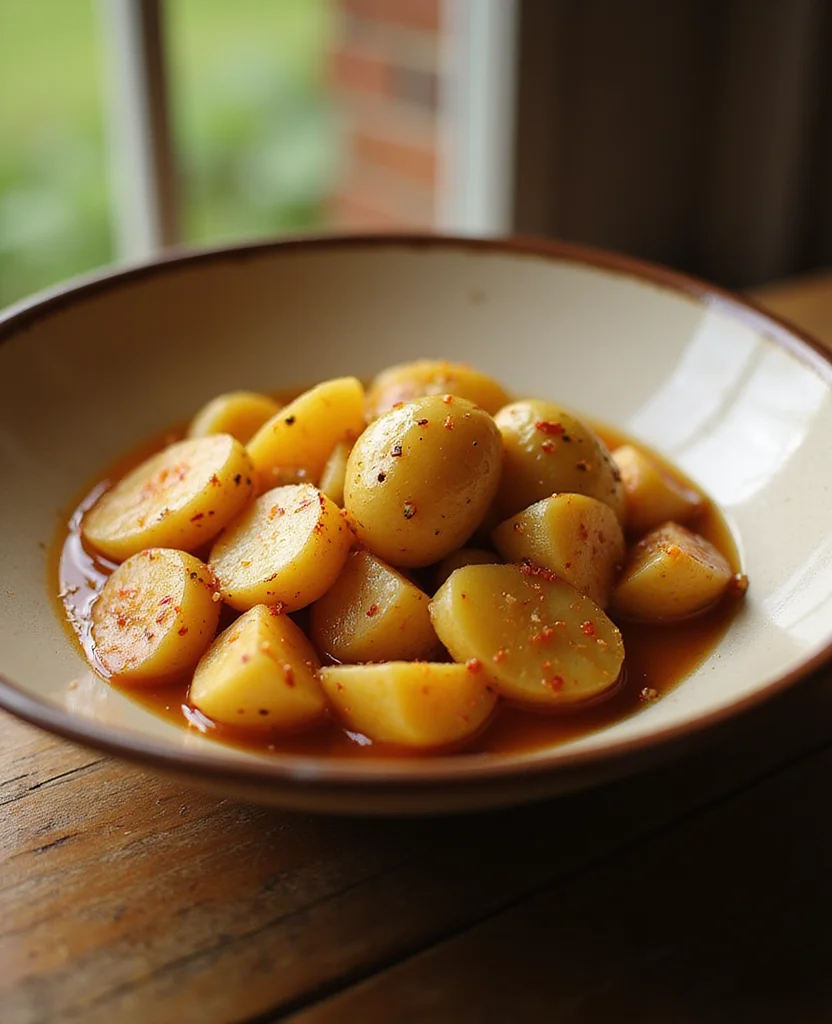
Peel and dice the potatoes into uniform chunks.
Measure out all of the sauce ingredients and set them aside.
Ensuring all ingredients are ready will streamline the cooking process.
Proper preparation is key to an efficient workflow.
Step 2: Boil the Potatoes
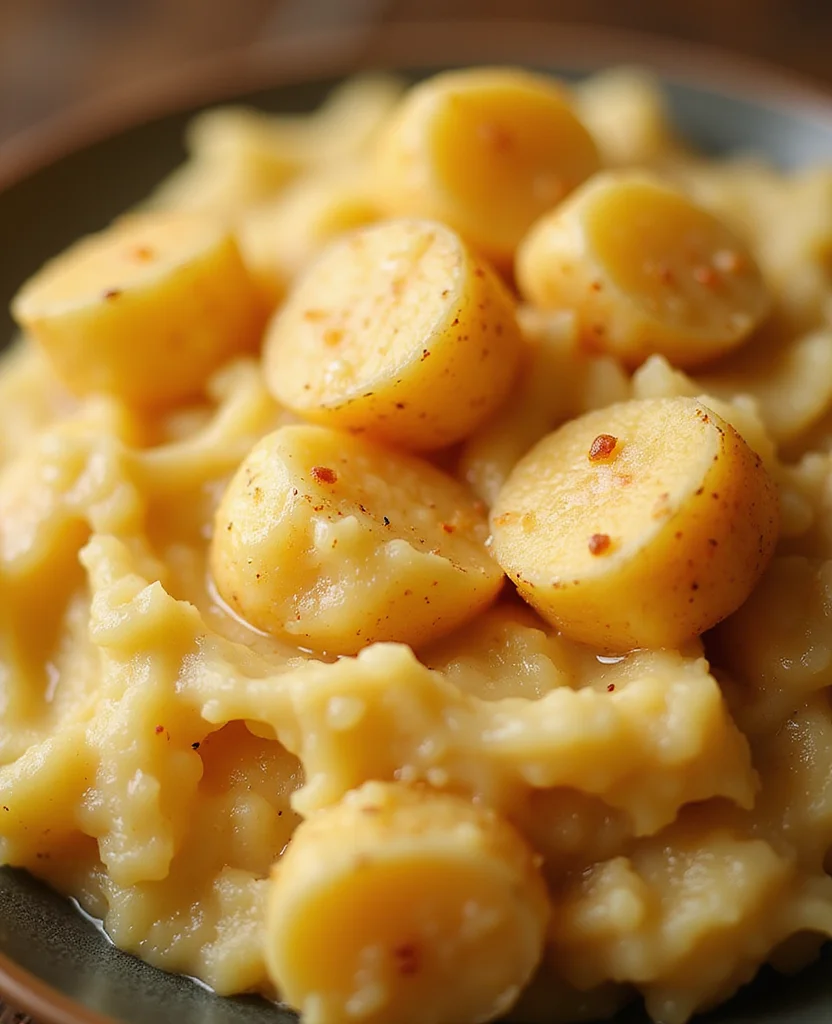
Place the diced potatoes in a pot and cover with cold water.
Bring to a boil over medium-high heat.
Boil until the potatoes are fork-tender, about 15 minutes.
Drain well to remove excess moisture.
Step 3: Mash the Potatoes
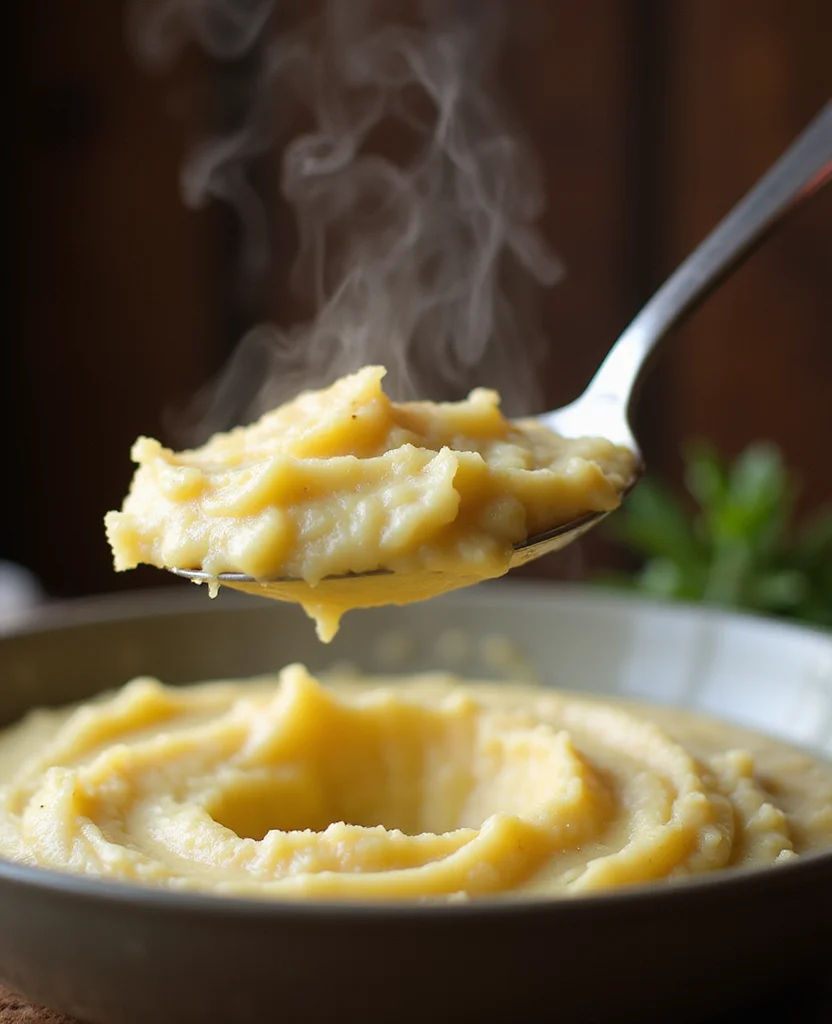
Return the drained potatoes to the pot.
Use a potato masher to mash until smooth.
Ensure there are no lumps remaining.
A smooth texture is critical for the creamy consistency.
Step 4: Blend the Sauce
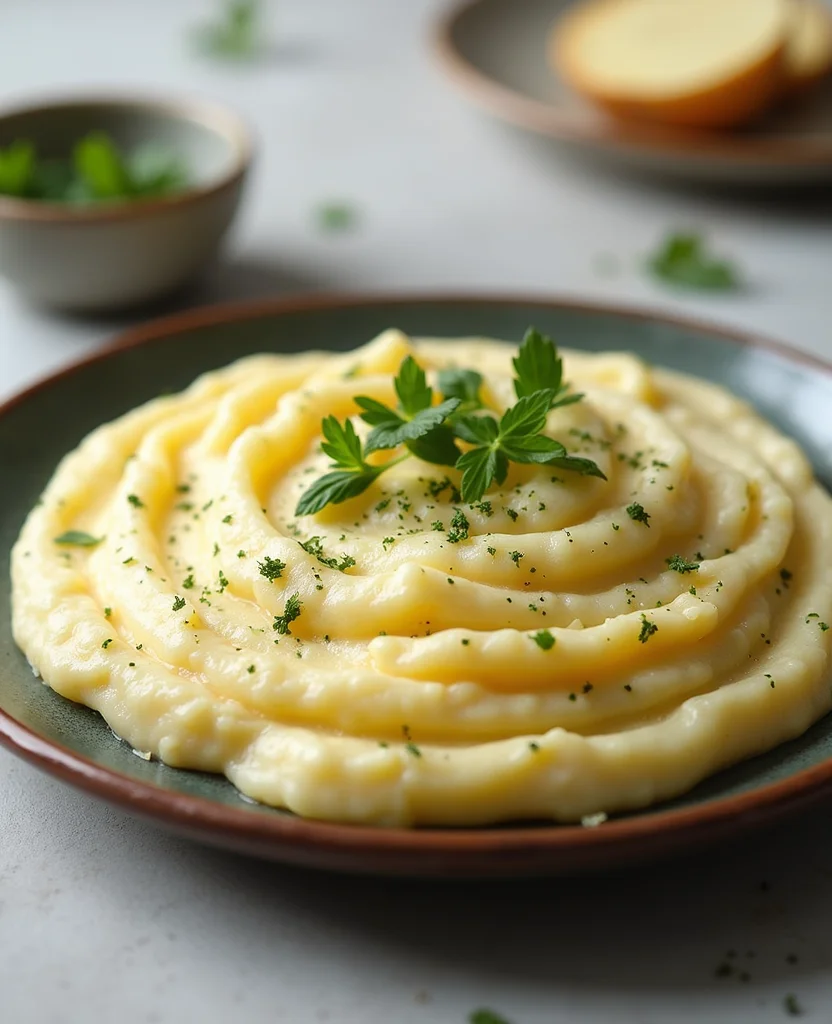
Combine coconut milk, nutritional yeast, garlic powder, salt, and pepper in a blender.
Blend on high speed until completely smooth.
Check for seasoning balance and adjust if necessary.
A properly blended sauce should be creamy and lump-free.
Step 5: Heat the Skillet
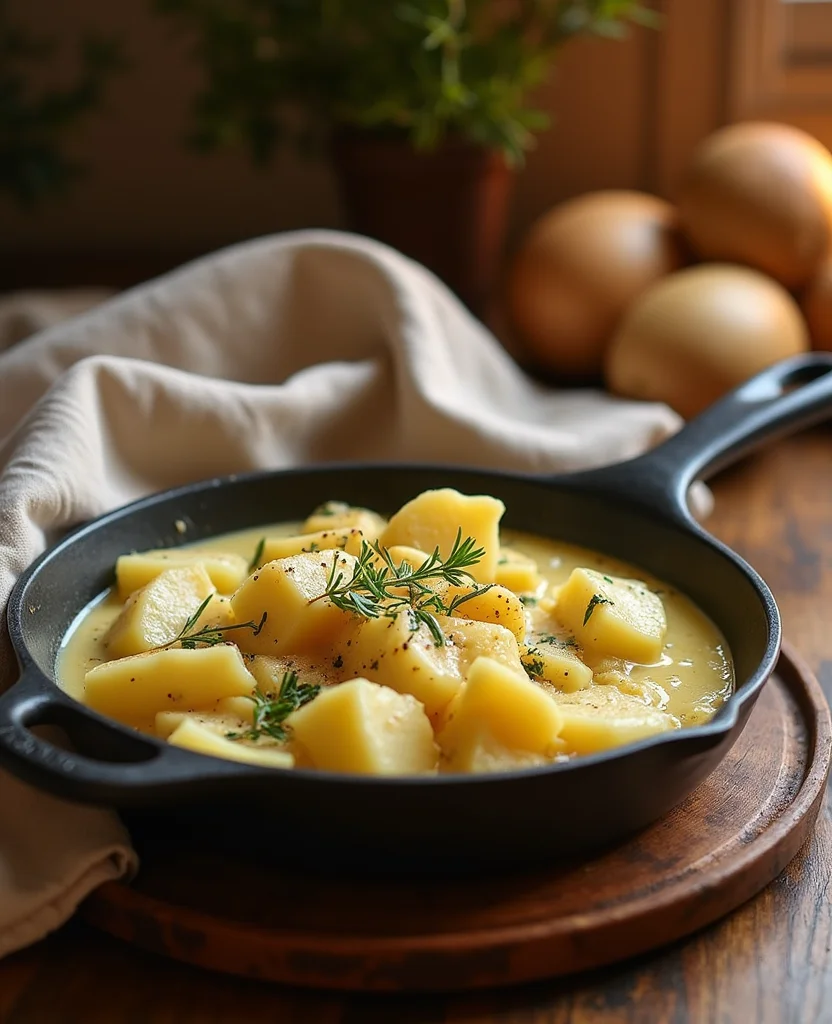
Add olive oil to a non-stick skillet and heat over medium.
Ensure the oil is shimmering before adding other ingredients.
This step is crucial for sautéing the sauce properly.
Proper heat ensures flavors develop without burning.
Step 6: Cook the Sauce
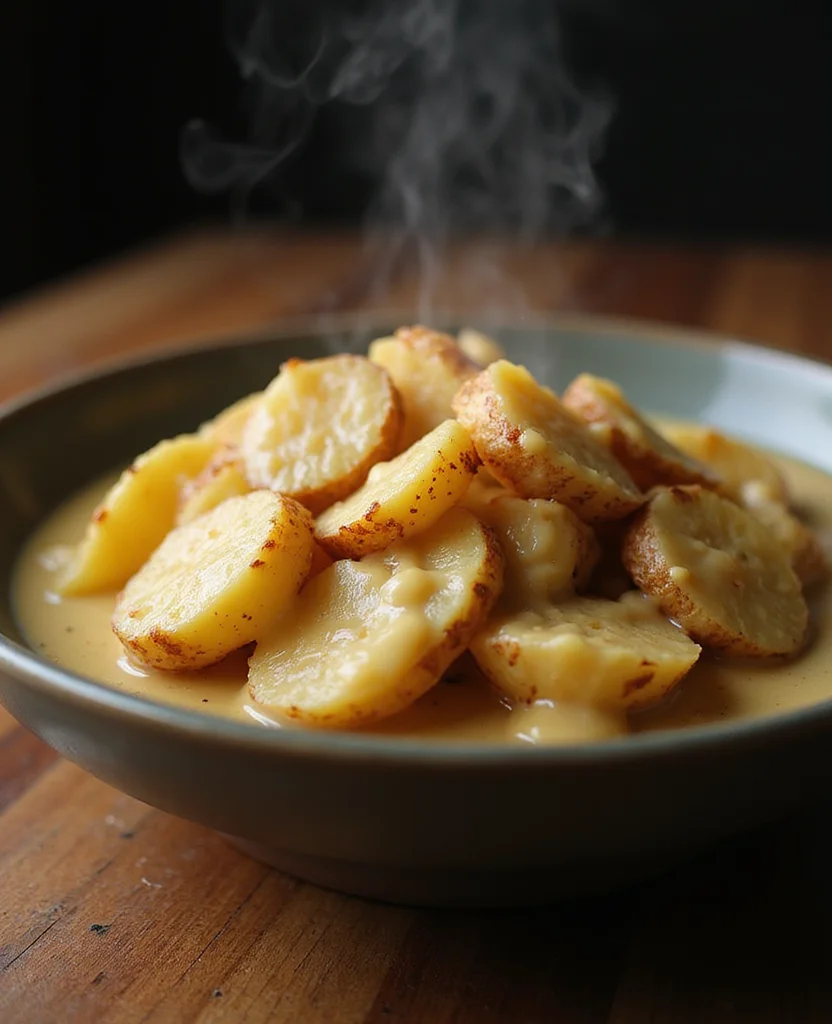
Pour the blended sauce into the heated skillet.
Cook while stirring frequently until it thickens.
The sauce should coat the back of a spoon when ready.
Consistent stirring ensures even cooking and prevents burning.
Step 7: Combine with Potatoes
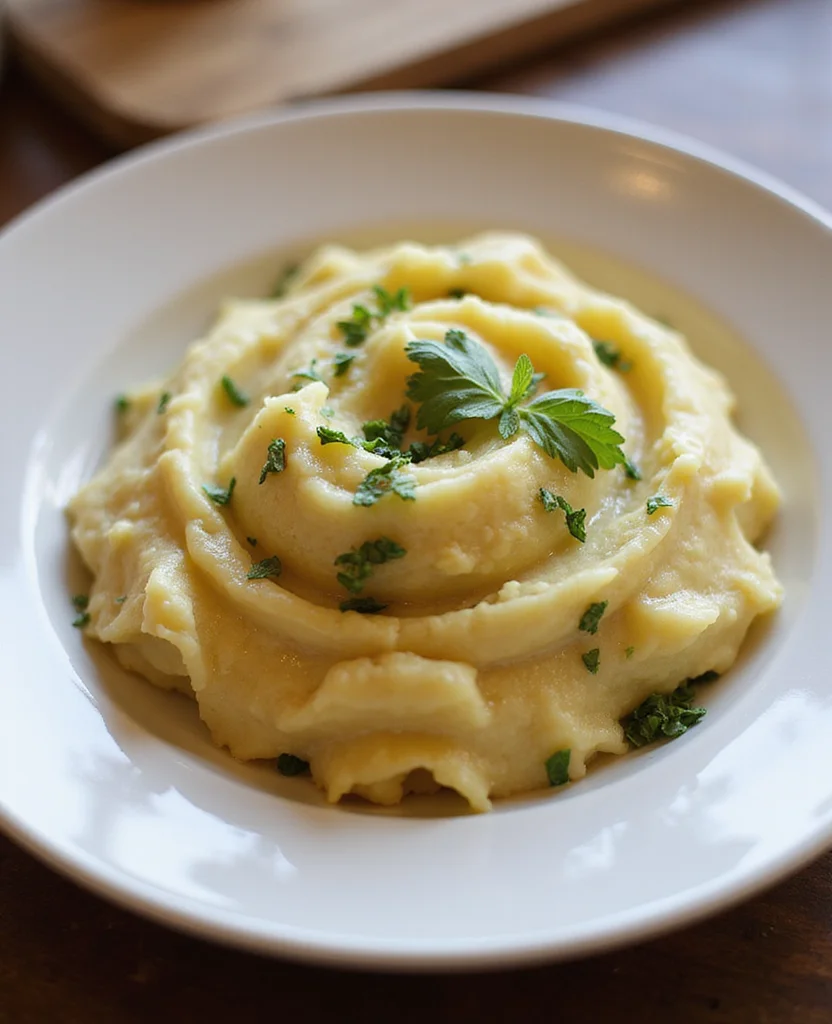
Add the mashed potatoes to the skillet with the sauce.
Stir until the potatoes are thoroughly coated.
Ensure the mixture is evenly combined.
Even mixing is key to a uniform texture.
Step 8: Garnish and Serve
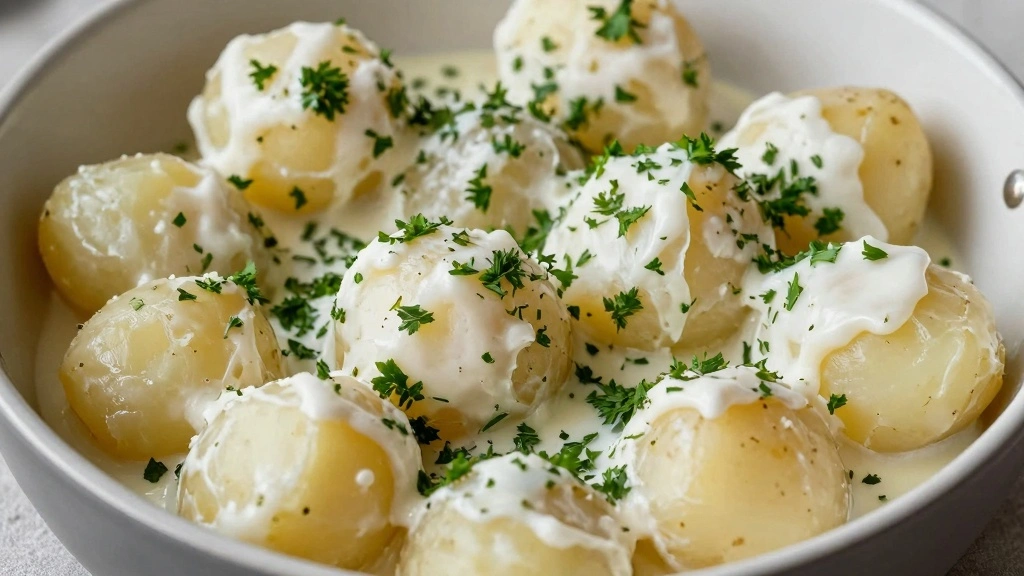
Transfer the creamy potato mixture to a serving dish.
Sprinkle chopped parsley over the top for garnish.
Serve hot for the best flavor and texture.
Garnishing adds a fresh and appealing touch.
Critical Timing and Temperature Guide
Boiling Potatoes: Boil for exactly 15 minutes or until fork-tender. Visual indicators include easily pierced potatoes. Avoid overcooking to prevent wateriness.
Sauce Blending: Blend for 2-3 minutes on high speed. Look for a completely smooth consistency. Common mistakes include under-blending, leading to a gritty texture.
Sautéing Sauce: Cook the sauce for 5-7 minutes over medium heat. It should thicken and coat the back of a spoon. Be cautious of overheating, which can cause burning.
Pro Tips for Creamy Dairy Free
• Ingredient Selection: Choose Yukon Gold potatoes for their creamy texture and mild flavor, which significantly enhance the dish's quality.
• Preparation Secret: Soak the potatoes in cold water for 30 minutes before boiling to remove excess starch and improve texture.
• Temperature Management: Use room-temperature coconut milk for blending to ensure a smooth sauce without separation.
• Texture Enhancement: For an extra creamy texture, pass the mashed potatoes through a fine sieve before combining with the sauce.
• Flavor Layering: Incorporate a pinch of nutmeg into the sauce for a subtle depth that enhances the overall flavor profile.
• Make-Ahead Strategies: Prepare the mashed potatoes a day in advance and store them in an airtight container in the refrigerator.
• Restaurant-Quality Finishing Touches: Top the dish with a drizzle of truffle oil before serving for an elevated aroma and flavor.
• Equipment Optimization: Use a silicone spatula for stirring the sauce to scrape every bit of flavor from the skillet.
Troubleshooting Common Issues
• Texture Too Dense: This may occur if the potatoes are not mashed thoroughly. Recognize it by a heavy, thick consistency. To fix, add a splash of warm coconut milk and re-mash.
• Flavors Unbalanced: Often due to incorrect seasoning proportions. Taste at each stage and adjust gradually. Adding a pinch of salt or a squeeze of lemon can rebalance flavors.
• Sauce Too Thin: This can happen if the sauce is not cooked long enough. Simmer it down further and stir constantly to thicken.
• Potatoes Watery: Overboiling causes this issue. Drain well and let steam escape before mashing. If already mashed, thicken with a tablespoon of nutritional yeast.
• Burnt Sauce: Resulting from high heat or insufficient stirring. To prevent, maintain medium heat and continuous stirring. If burnt, transfer to a clean skillet and gently reheat.
Variations and Regional Differences
• Italian Style: This version replaces coconut milk with almond milk and adds rosemary for a distinct Mediterranean flair. Serve with a sprinkle of vegan parmesan.
• Asian Fusion: Incorporates ginger and soy sauce into the sauce for a unique twist, served with sesame seeds on top.
• Southwestern: Adds diced green chilies and cumin to the sauce, offering a spicy kick and vibrant flavor.
• Classic American: Uses baked potatoes as a base, with a topping of chives and imitation bacon bits for a loaded potato feel.
Food Science Behind the Recipe
• Starch Gelatinization: Understanding how starches in potatoes absorb water and swell during cooking helps achieve the perfect mash consistency.
• Emulsification: Blending coconut milk into the sauce creates a stable emulsion, crucial for a creamy texture without separation.
• Flavor Compounds: Nutritional yeast contains glutamic acid, which enhances the umami and cheesy notes without dairy.
Frequently Asked Questions
What's the most common mistake people make when preparing this dish? Overcooking the potatoes, which results in a watery and less flavorful base.
Can I use a different plant-based milk? Yes, almond or cashew milk are excellent alternatives, though they may change the flavor slightly.
How can I make the sauce thicker if needed? Simmer longer or add a small amount of cornstarch mixed with cold water to thicken.
Is there a way to reduce the fat content? Use a low-fat coconut milk or substitute with another plant-based milk with reduced fat content.
Can I prepare this dish ahead of time? Yes, both the mashed potatoes and sauce can be made in advance and combined just before serving.
What are some good side dishes to serve with this? Steamed vegetables or a fresh green salad pair well, balancing the richness of the dish.
How do I store leftovers? Store in an airtight container in the fridge for up to three days. Reheat gently to preserve texture.
Serving and Presentation Guide
• Traditional Presentation: Serve in a warm dish, topped with fresh parsley and a drizzle of olive oil for a classic, inviting look.
• Family Style: Present in a large, shallow bowl, surrounded by small dishes of various toppings like chives and crushed nuts for customization.
• Elegant Plating: Use a ring mold to shape servings into neat cylinders, garnished with microgreens and a dusting of smoked paprika.
• Rustic Appeal: Serve in individual cast iron skillets for a cozy, homey presentation that keeps the dish warm.
Conclusion
This creamy dairy-free potato dish is a testament to how indulgent and flavorful plant-based eating can be.
With its rich texture and comforting taste, it's sure to become a favorite at your table.
We hope you enjoy making and sharing this recipe as much as we do.
Give it a try and experience the magic of creamy potatoes without the dairy.